
How to
Food Allergies in Honolulu: Poke and Shave Ice
Mosey · November 11, 2026 · 5 min read
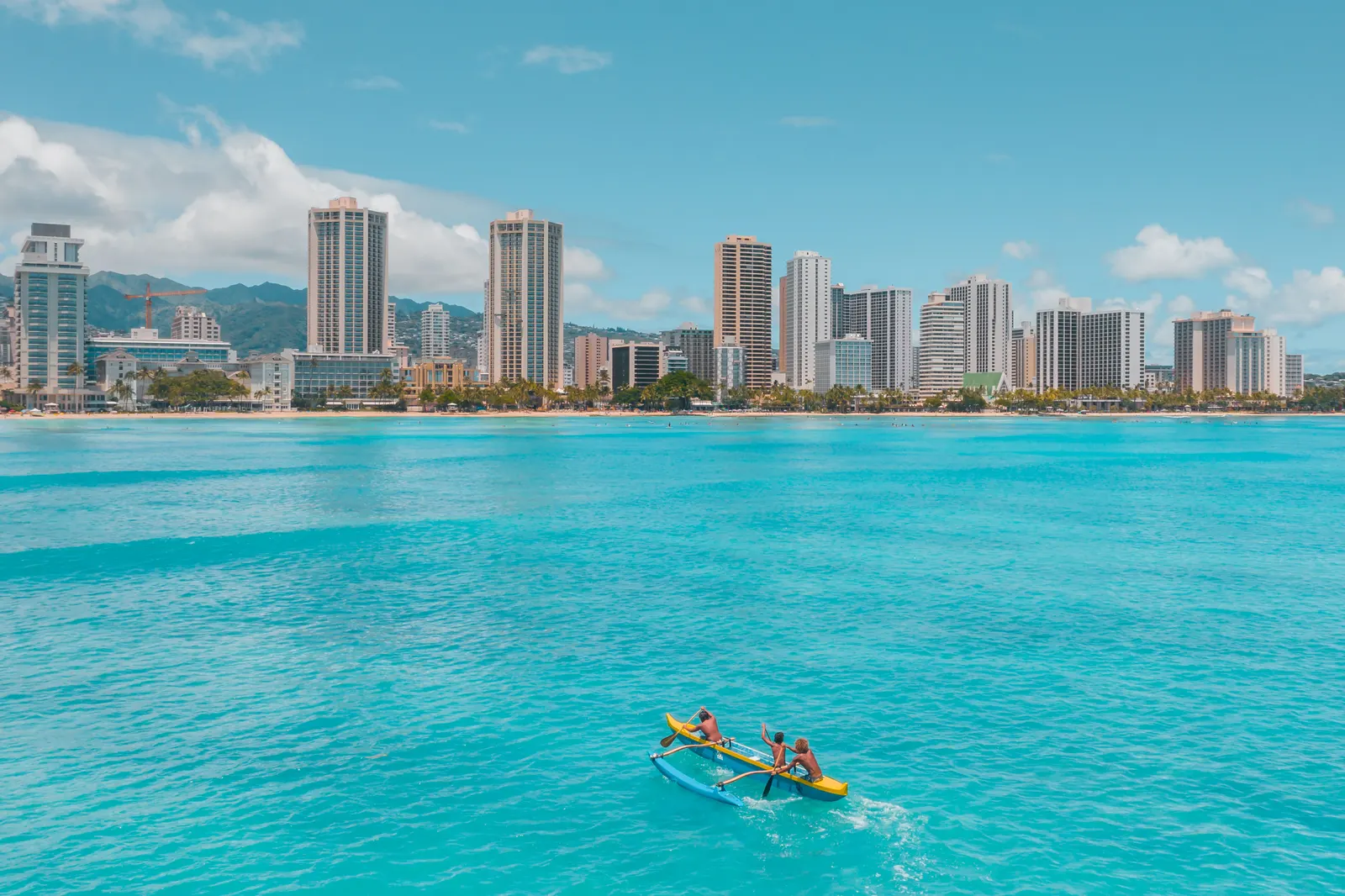
Food allergies in Honolulu meet two island favorites that look simple and are not: poke, cubes of raw fish dressed in sauce, and shave ice, a mound of fine ice with syrup and sweet extras. Fish, soy, sesame and milk can all turn up in them. This guide offers questions to ask, not a verdict on any bowl or cup.
What should you know about food allergies in Honolulu?
Island food mixes Hawaiian, Japanese, Chinese, Portuguese and other traditions, and the result is a menu where a few ingredients recur: fish, soy sauce, sesame, rice, mayonnaise and sweetened milk. A small stand may make everything in one prep area, so the answer to an allergy question often comes from the person who actually mixed your bowl.
Plan to ask at the counter, not at the register, and treat every answer as one kitchen's habit on one day. If you are with children, order for them last and ask again. Your own doctor decides what is right for you.
What can be in ahi poke?
Wikipedia describes poke as diced raw fish tossed in sauce, with ahi, meaning albacore, bigeye and yellowfin tuna, among the common fish, plus octopus and other fish. Typical ingredients are soy sauce, sesame oil, limu seaweed, roasted candlenut called inamona, Maui onions and scallions. It says Chinese and Japanese plantation workers brought soy sauce and sesame oil to the islands.
So a classic bowl can involve fish, soy and sesame. Candlenut is a nut, so ask the cook whether it counts for your allergy and whether it is in the mix. A sprinkle of sesame seeds on top is easy to miss, so say the word sesame out loud.
What do modern poke bowls add?
The article lists spicy ahi made with sriracha and mayonnaise, avocado, kimchi, tobiko and pineapple among the newer additions. Mayonnaise brings egg. Tobiko is fish roe, which is fish again. Kimchi often contains fish sauce or shrimp paste, so ask about it if you avoid fish or shellfish. That last point is a general cooking pattern, so confirm it.
Bowls are built in an assembly line, and the same scoop or gloves may touch several kinds. Ask whether the order can be mixed with a clean utensil, and whether the toppings are in shared trays. Our poke guide covers the dish more widely.
What is in shave ice syrups and the extras?
Wikipedia says shave ice descends from the Japanese dessert kakigori and reached Hawaii's sugar plantation communities. Syrups come in flavors such as banana, pineapple, lychee, mango, guava and coconut, and are often color-coded. Under the ice go sweetened azuki beans, fruit or ice cream, and on top go mochi balls, li hing mui powder, fruit or a snow cap of sweetened condensed milk.
Ice cream and condensed milk are milk. Mochi is made from rice, and some versions carry fillings, so ask. Syrups differ by shop, and a flavor name does not tell you what else is in the bottle. Wikipedia describes li hing mui as a salty dried Chinese plum, usually sold as a powder, and it adds that some cups are finished with fruit or mochi, so ask about any topping you cannot name.
How does plate lunch change the picture?
A plate lunch pairs a main with rice and a side, and the sides, gravies and sauces are where questions pile up. Our plate lunch guide explains the format, and the vegetarian guide covers kalo and poi. For an allergy, ask what goes into each side and each sauce, not only the main.
Fried items share oil, and macaroni salad is typically dressed with mayonnaise, a general pattern to confirm with the counter. Furikake, a rice seasoning, commonly includes sesame and seaweed, and a gravy may be thickened with flour. Ask about each topping before the plate is built.
How do you ask at a busy island counter?
Lines move quickly and menus are on a board. Start with the allergy: "I have a sesame allergy, what is in the sauce and on top?" Then ask about shared scoops, gloves and fryers. If a cook is mixing in front of you, speak before the first scoop.
Visit in a lull when you can. Write down what you were told, and the date, since sauces and suppliers change.
What does the Mosey app offer for planning?
The Mosey app lets you pick allergens to hide, using "Hide dishes that list", which removes any dish a place has listed with one. Where a dish is not filled in, it stays and reads "Allergens not listed, ask the place". Treat that as silence from the place. The choice is kept on your phone, and it never filters whole places.
Rate a dish with a note about what the counter said, and use tags as one diner's view, never a promise. Start a list such as Island questions and send the invite link, so a friend can add stops even if they are new to the app. A place can declare allergens dish by dish in its dashboard.
Where else can you read about Honolulu?
Try the Hawaii page, the Honolulu page, the US food guides, the ratings page and the federal rules guide. Across the country, the Miami guide covers bread and claws.
On your next island meal, get the Mosey app, rate the dish and keep a list of the answers you were given.
Questions
Common questions
What allergens are common in poke?
A classic bowl can involve fish, soy sauce, sesame oil and sesame seeds, and Wikipedia lists roasted candlenut among traditional ingredients. Modern bowls may add mayonnaise, tobiko or kimchi. Ask what is in the sauce, on top and in the mix, and name your allergen aloud.
Is shave ice a milk concern?
Plain ice with syrup is one thing, but Wikipedia says ice cream sits under the ice in some cups and a snow cap of sweetened condensed milk goes on top of others. Ask what is under, on top and in the syrups before you order.
Why does mayonnaise matter in a spicy ahi bowl?
Wikipedia says spicy ahi uses sriracha and mayonnaise, and mayonnaise is made with egg. If you avoid egg, ask whether a bowl has a spicy mayo and whether the scoop is shared with the plain versions.
Is candlenut a tree nut?
Ask the kitchen and your own doctor. Wikipedia names roasted candlenut, called inamona, as a traditional poke ingredient, and a cook can tell you whether it is in the bowl. A recipe may leave it out, so check on each visit.
How can I keep track of food allergy answers in Honolulu with Mosey?
Mosey is a food app for finding what you like in Honolulu, rating each dish and sharing lists. Note what the counter told you, treat tags as one diner's view, follow friends with similar needs and send a list by invite link.
More like this
Read next
Best Poke in Honolulu: Where Locals Buy It and What to Get
A guide to the best poke in Honolulu: how poke differs from a poke bowl, local flavors, how to order at a counter and a few well-known places to start.
How to Find Good Food in Honolulu
Find good food in Honolulu by eating like a local: learn the everyday plates, visit a farmers market and keep short notes, then share lists with friends.
Honolulu Chinatown Food: Markets, Lunch and Kaimuki
A guide to Honolulu Chinatown food and Kaimuki restaurants: open-air markets, food courts, brunch, bakeries and how to eat local food without a car.
Kakaako Honolulu: A Food Neighborhood Guide
Kakaako Honolulu was once fishponds, salt ponds and a multi-ethnic working community. Learn its story, how it changed and how to walk it and rate what you eat.
