
Neighborhood guide
Kakaako Honolulu: A Food Neighborhood Guide
Mosey · November 11, 2026 · 4 min read
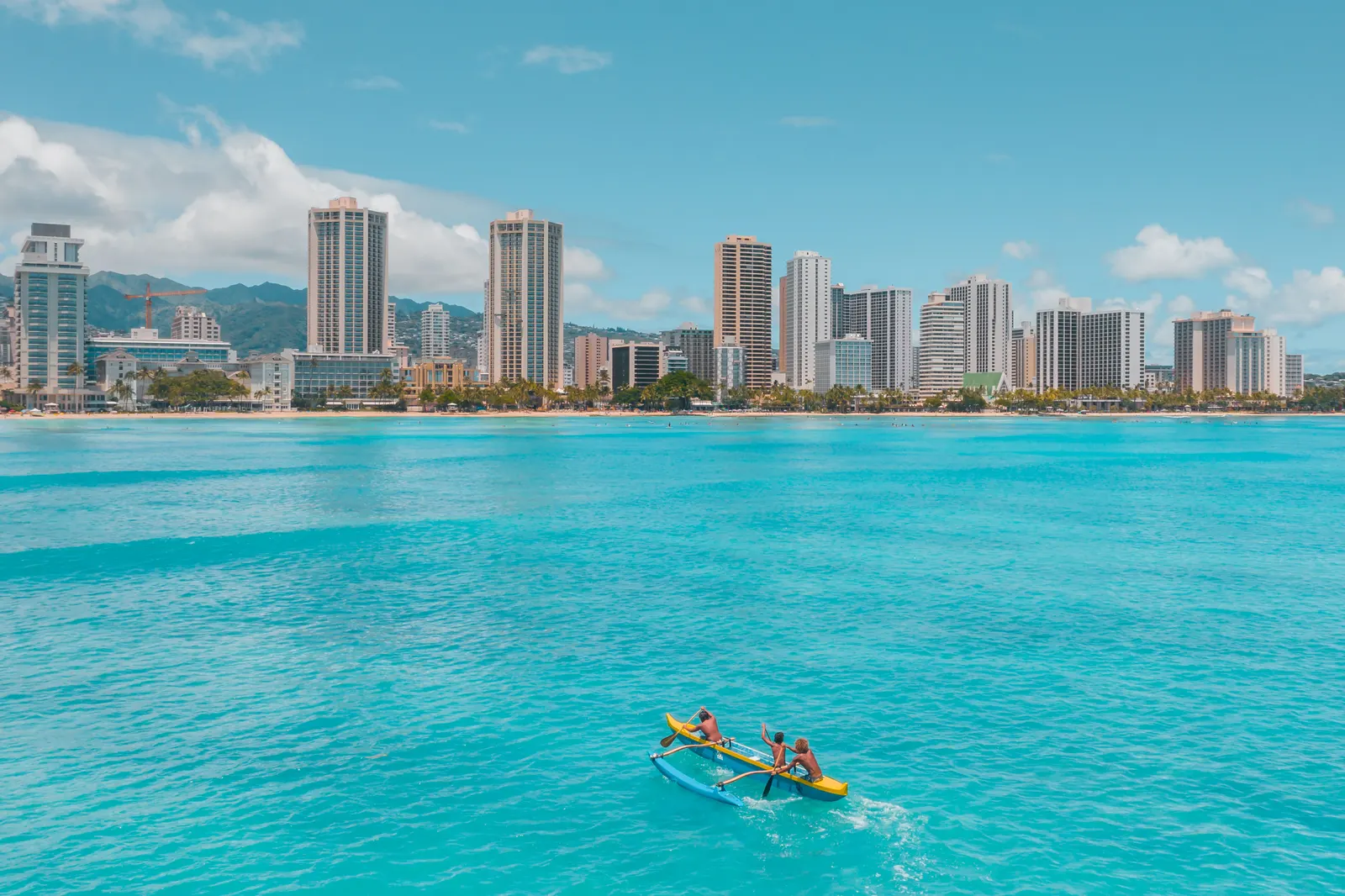
Kakaako Honolulu, also written Kakaʻako, sits on Oʻahu's south shore between downtown and Waikīkī. Today it is a mixed-use district, but it was once a place of fishponds, salt ponds and a working community that included poi factories, bakeries and rice mills. Here is the story of the land, and how to walk it hungry.
What was Kakaako Honolulu before the buildings?
Ka Wai Ola, the newspaper of the Office of Hawaiian Affairs, explains that Kakaʻako sits within two land divisions, Kaʻākaukukui and Kukuluāeʻo, with Kewalo just inland. The area had brackish marshes, freshwater springs and salt ponds, and was part of a large fishpond and reef system stretching from ʻEwa to Maunalua. Salt was valued as a seasoning and a preservative, and fishing, limu gathering and fishpond farming were central activities.
How did fishponds and salt ponds become industrial land?
Dredging, beginning with Honolulu Harbor in the 1840s, and the filling of reefs, fishponds and wetlands extended the shoreline. The land later hosted industrial sites, including an iron works, lumber yards, a tuna cannery and a flour mill, along with an epidemic quarantine camp in 1853 and a garbage dump, incinerators and a sewage pumping station. Few visitors would guess from today's streets that the shoreline once lay further inland, and a map from before the dredging would look like a different place. Keep that in mind when you look at a map: the ground you are walking on is largely made land, and the neighborhood's old food sources, the ponds and reef, were built over. Knowing this makes the district's later food history, the poi factories and the bakeries, easier to appreciate.
Who lived here, and where did the poi factories fit in?
Ka Wai Ola describes a multi-ethnic, working-class community of Hawaiians, Japanese, Chinese, Portuguese and Filipinos that developed in the late 1800s. By the middle of the twentieth century it had about 5,000 residents, with sake breweries, rice mills, bakeries, groceries and stores as well. That line is worth remembering when you eat in the neighborhood now: the district once fed itself from its own streets.
The story includes displacement. Settlements were razed in the 1920s, displacing more than 700 Native Hawaiians, and rezoning in the 1950s displaced most of the remaining community, so that by the 1960s few residents remained. Treat the neighborhood's story as a reason to be curious, not as a backdrop. When you eat here, remember that the people who built the district's food traditions were pushed out of it, and let that shape how you talk about the place and what you notice on the street. To learn more, read Ka Wai Ola and the work of Hawaiian cultural organizations, and support the people who keep the history alive.
How did Kakaako become a mixed-use district?
The iron works closed in the 1970s after more than 120 years, and planners proposed mixed-use development. Today large master-planned developments are underway, including one by Kamehameha Schools on 29 acres, and the Office of Hawaiian Affairs received 30 acres at Kakaʻako Makai in 2012. For a diner, that means a district of new buildings with older warehouses mixed in, and a food scene that changes quickly, so go with time to wander.
How should you walk the district on a food outing?
Walk it in one direction, from the harbor side toward the mountain, and stop only when something catches your eye. Let the heat set your pace, and sit down whenever a shaded bench appears. Go Hawaii's Honolulu page recommends eating like a local with plate lunches, poke and fresh produce from farmers markets, so aim for a mix of a counter meal and a market stop. Leave gaps for sitting down, because the walk is flat but sunny. Carry water, wear a hat and eat the cold things first, then save the hot plate for the shade.
Our plate lunch guide explains the island's everyday meal, which is a good benchmark as you compare stops.
How can Mosey help you keep notes on a walk?
Mosey is a food app for finding your own favorites by rating and sharing them. At each stop, open the app and rate the dish. A rating needs only the place and stars, though you can add a tag and a photo. Tag a friend and both of you can rate the same plate.
Create a list named Kakaako walk, add a note on each stop and send the invite link. Follow friends and Friends' picks on the map shows where they have been. As more people rate, the ranked lists fill with real places. The ratings and lists pages explain the steps.
Mosey supports local places with free listing, affordable tools and no hidden fees, so supporting local is built into how it works.
What else should you read about Honolulu?
For another neighborhood, see the Kaimuki and Chinatown guide. The poke guide covers a dish worth trying on any walk. See the Honolulu page, the Hawaii page and the US food guides.
On your next Kakaako afternoon, open the Mosey app and rate your first plate by name.
Questions
Common questions
Where is Kakaʻako in Honolulu?
Kakaako sits on Oʻahu's south shore between downtown Honolulu and Waikīkī, with Kewalo just inland, according to Ka Wai Ola, the newspaper of the Office of Hawaiian Affairs, which also names its two land divisions.
What was Kakaʻako like before it was built up?
The area had brackish marshes, freshwater springs and salt ponds, and was part of a large fishpond and reef system. Fishing, limu gathering and fishpond farming were central activities, according to Ka Wai Ola.
What kinds of food businesses once operated in Kakaʻako?
By the mid-twentieth century the neighborhood had sake breweries, rice mills, bakeries, groceries and stores serving about 5,000 residents of many backgrounds, according to Ka Wai Ola, along with several poi factories.
Is Kakaʻako a good place for a food walk today?
The district is a mixed-use area of new buildings and older warehouses where the food scene changes quickly. Check each place's own information for hours before you go and plan a few stops with time to rest.
How do I keep track of a food walk with friends?
Mosey is a food app where you rate each dish, keep lists and share them. In Honolulu, make a list for the day, add tags, send an invite link and follow the friends you ate with to see what they rated.
More like this
Read next
Best Poke in Honolulu: Where Locals Buy It and What to Get
A guide to the best poke in Honolulu: how poke differs from a poke bowl, local flavors, how to order at a counter and a few well-known places to start.
Food Allergies in Honolulu: Poke and Shave Ice
Food allergies in Honolulu meet ahi poke, sesame oil and shave ice syrups. Learn what the island classics are built from, what to ask and how to keep notes.
How to Find Good Food in Honolulu
Find good food in Honolulu by eating like a local: learn the everyday plates, visit a farmers market and keep short notes, then share lists with friends.
Honolulu Chinatown Food: Markets, Lunch and Kaimuki
A guide to Honolulu Chinatown food and Kaimuki restaurants: open-air markets, food courts, brunch, bakeries and how to eat local food without a car.
