
How to
Food Allergies in Miami: Cuban Bread and Stone Crab
Mosey · November 11, 2026 · 5 min read
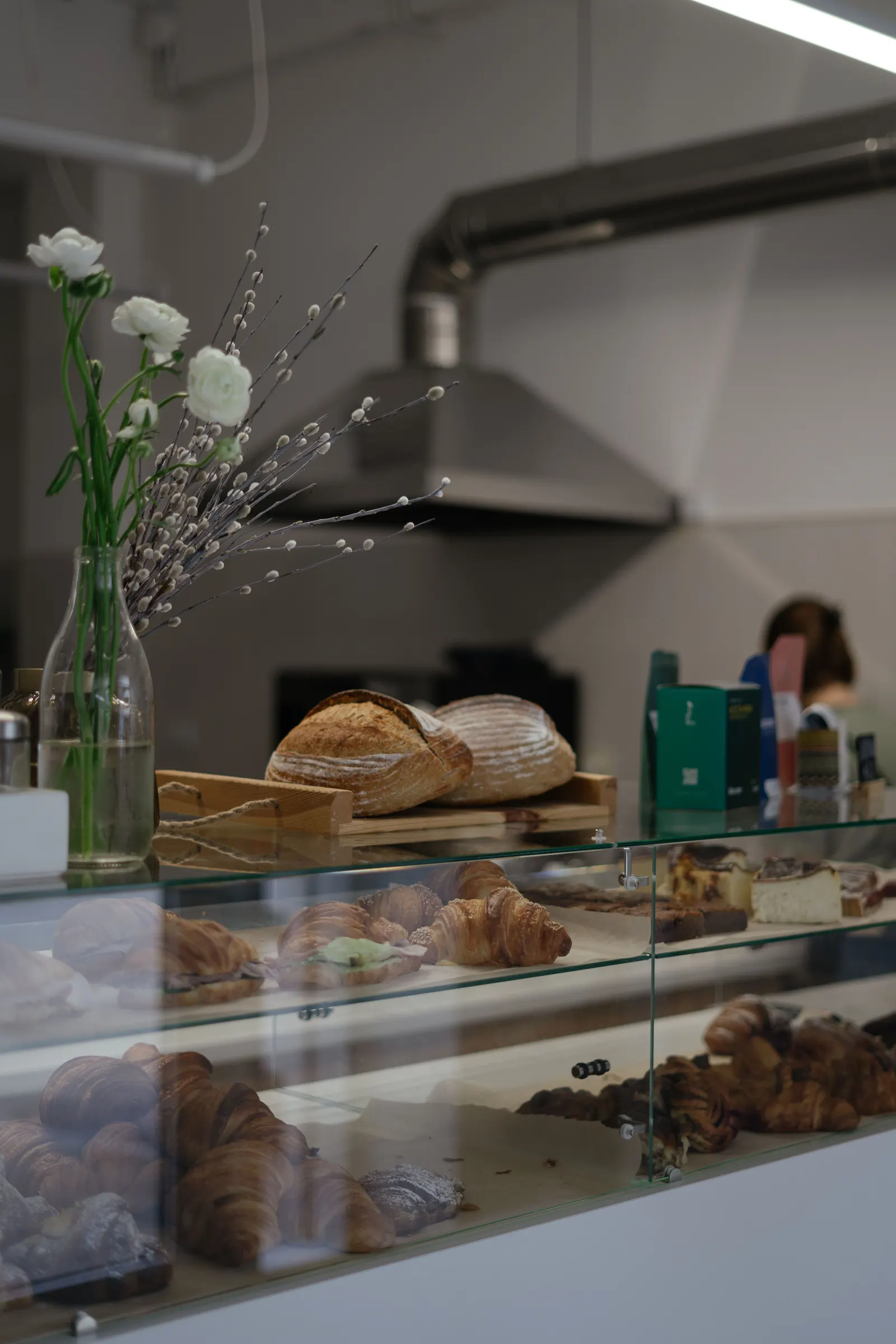
Food allergies in Miami follow three local staples: Cuban bread, stone crab claws and pastries such as empanadas. Bread brings wheat and sometimes milk, the claw is a crustacean, and a filled pastry can hide eggs and cheese. This guide offers questions to ask rather than a verdict on any plate.
What shapes food allergies in Miami?
Miami's food runs on bakeries, sandwich counters, coffee windows and seafood tables, and many of them serve hundreds of the same few items a day. That means one tray, one press and one fryer can touch several orders. It also means a counter can answer quickly, if you ask precisely.
The notes below are a map of where to ask, not a promise about any kitchen. Your own doctor decides what is right for you.
What is in Cuban bread?
Wikipedia says Cuban bread is made from flour, water and a small amount of fat, either lard or vegetable shortening, and it describes a long loaf with a hard, thin crust and a soft center. Bakers lay a moist palmetto frond on the loaf before baking to cut a shallow trench, and the frond is removed before eating. Miami and Tampa both claim to be its home.
Flour is wheat. The fat is the question: ask whether a loaf uses lard or shortening if that matters to you. Our Cuban sandwich guide covers the sandwich built on this bread.
How do toasted bread and café con leche come into it?
The same article says it is eaten at breakfast, often toasted with butter and dunked in café con leche. Butter and milk coffee both mean milk. A press that toasts a ham and cheese sandwich also toasts buttered bread, so a shared press is worth a question.
If you avoid milk, ask whether the toast can be made with the bread only, and whether the press is cleaned between orders. Coffee windows will have milk steamers close by, so ask about the pitcher too. See the Little Havana coffee guide for the setting.
What should you know about stone crab?
Wikipedia says Florida fishers remove one or both claws from the live crab and return it to the water, that harvest happens in a limited season, and that claws are sold by size: medium, large, jumbo and colossal. A claw is crustacean shellfish, one of the FDA's nine major allergens.
Claws are often served cold with a dipping sauce, and a seafood table may also serve shrimp, fish and sides from the same kitchen. Ask what else shares the tray and the ice, and what is in the sauce. Our season guide for the claws explains the calendar, and dates change, so confirm them.
What about empanadas, croquetas and pastry counters?
An empanada is a filled pastry, and its dough is a wheat dough that may be brushed with egg. Fillings can include cheese, meat, seasoned sauces and nuts or raisins in sweet versions. Croquetas are breaded and fried, so wheat, egg and milk are all plausible. These are general patterns, so confirm each one.
At a bakery case, ask what each item is filled with and whether trays are shared between fillings. A name on a label is a good start, but ask the person who baked it if you can.
What about seafood stews and fried fish?
A bowl of seafood stew can combine fish, shrimp and shellfish stock in one pot, and a plate of fried fish is usually dredged in flour before it hits the oil. A fry basket that holds fish may also hold croquetas or fries a moment later. These are general kitchen patterns, so confirm them with the person who cooks.
Ask whether a stew is thickened with flour, whether the stock is made from shells, and whether the fryer oil is used for more than one kind of food. A kitchen that can answer these three questions quickly has probably been asked before.
How do you ask at a Miami window or counter?
Windows and counters are fast and loud. Say the allergy first, then the dish: "I avoid shellfish, what is in this stew and what shares the fryer?" Ask whether the person can check with the kitchen, and wait for the answer rather than the nod.
If you speak another language more comfortably, a short written card helps. Keep a note of what you were told and the date, since daily specials change.
How can the Mosey app help while you plan?
In the Mosey app, choose allergens under "Hide dishes that list" and dishes a place has listed with one are hidden. A dish the place has not filled in stays, with the label "Allergens not listed, ask the place". The label means the place has not said, so ask. Your choice is stored on your phone only, and the control applies to dishes, not places.
After a meal, rate the dish and add the answer you were given. Tags are a diner's note and no promise. Build a list, say Counter questions, and invite a friend by link. A place can declare its allergens in its dashboard, one dish at a time.
Where else can you read about Miami?
Try the Florida page, the Miami page, the gluten and wheat guide for Miami, the US food guides, the lists page and the federal rules guide. For another state with its own breakfast habits, try the Austin guide.
On your next Miami meal, get the Mosey app and rate the dish with a note on what the counter told you.
Questions
Common questions
What is in Cuban bread that matters for an allergy?
Wikipedia says it is made from flour, water and a small amount of lard or vegetable shortening. Flour is wheat. Ask which fat a bakery uses if that matters, and ask whether the loaf is buttered or pressed with cheese when it is toasted.
Does café con leche count as a milk question?
Yes, since it is coffee with milk, and Wikipedia says Cuban bread is often dunked in it at breakfast. If you avoid milk, ask about the steaming pitcher and whether it is rinsed between drinks, and about butter on the toast.
Is stone crab a shellfish allergy concern?
Stone crab claws are crustacean shellfish, one of the FDA's nine major allergens. Ask what else shares the tray, ice and fryer, and what is in the dipping sauce. Seafood tables often serve shrimp and fish from the same kitchen.
What should I ask about empanadas?
Ask what the filling is, whether the dough is brushed with egg, and whether trays and ovens are shared between fillings. Wheat is usual in the dough, and cheese or nuts may be in the filling. A baker can answer best.
How can I keep track of food allergy answers in Miami with Mosey?
Mosey is a food app for finding what you like in Miami, rating each dish and sharing lists. Note what the counter told you, treat tags as one diner's view, follow friends with similar needs and share a list by invite link.
More like this
Read next
Become a Local Champion in Miami
Earn a Local Champion in Miami title by rating five places, answering three Top 3 questions and making a list, from cafecito windows to Haitian tables.
Brickell Lunch Spots and Downtown Miami Eats
Brickell lunch spots range from quick counters to long business lunches. How to plan a weekday lunch in downtown Miami, beat the rush and rate each dish.
Build Your Miami Neighborhood Food List
Build a Miami neighborhood food list: sections for Hialeah, Doral, Little Haiti, Sweetwater and Homestead, a note on every place and friends who can add theirs.
Cheap Eats Near Florida International University
Cheap eats near Florida International University: Latin counters, bakeries and plate lunches in Sweetwater. How students eat on a budget and rate each dish.
