
Food culture
Fall Food Festivals: What to Eat and How to Plan
Mosey · November 11, 2026 · 5 min read
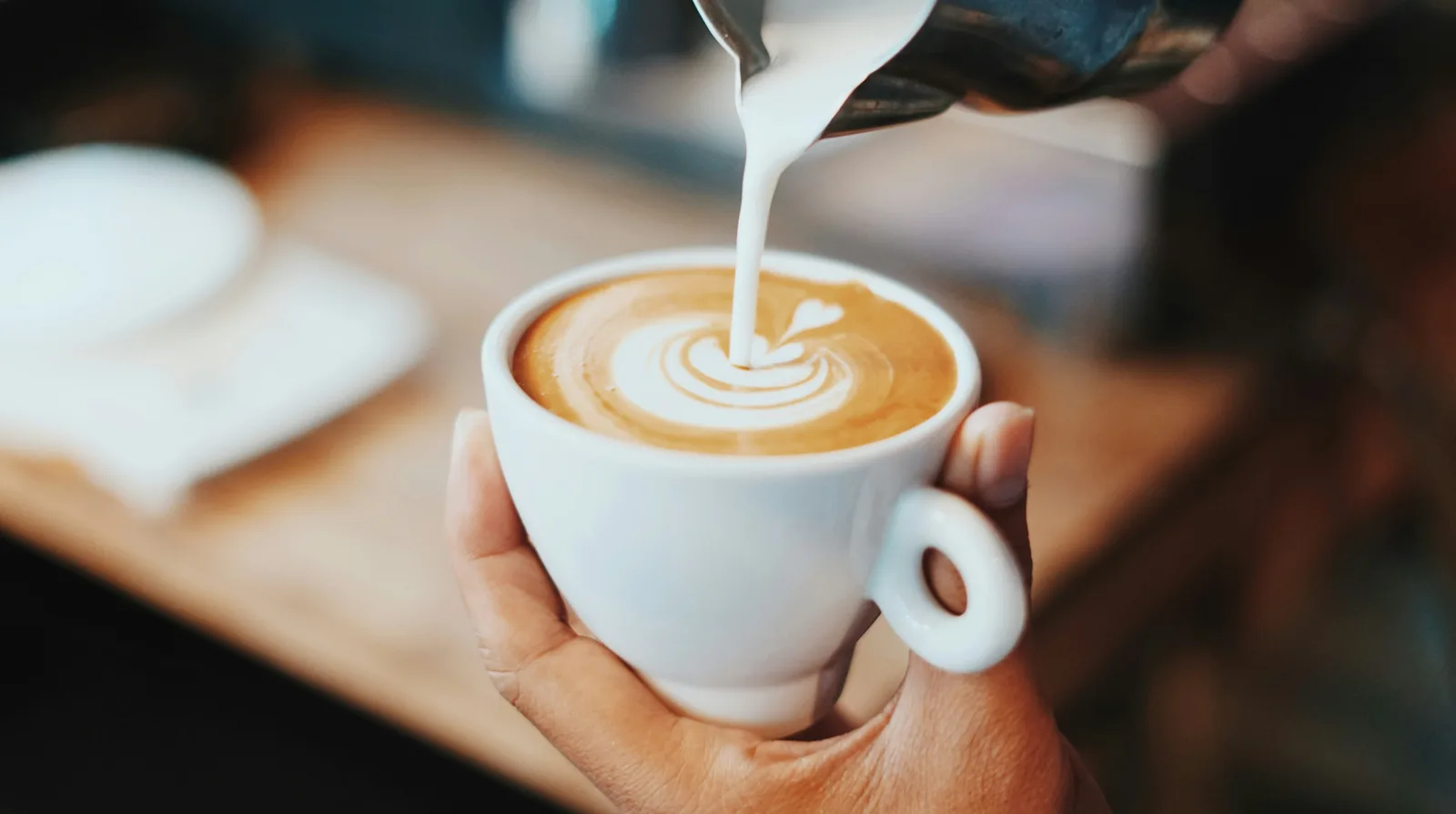
Fall food festivals turn a small town into a table. Streets close, tents go up, farmers bring the last of the harvest and cooks set out pots, grills and trays prepared for weeks. The formats vary, from apple fairs and pumpkin festivals to oyster shuckings and chili cook-offs, but the planning questions are the same everywhere.
Most fall food festivals fit one of four groups: harvest and county fairs, single-product festivals, cook-offs and seafood events. Decide which kind you want, then plan for parking, weather and cash.
What are the main kinds of fall food festivals?
Most fall food festivals fit one of four groups. Harvest and county fairs celebrate local crops and livestock, with pies, jams and fried treats. Single-product festivals focus on one food, such as apples, pumpkins, cranberries, garlic or oysters. Cook-offs, such as chili and barbecue contests, put cooks in competition and let visitors taste. Cultural festivals, such as Oktoberfest and heritage fairs, serve the food of a community.
Know which group you are going to, because it shapes what you eat and how long you stay.
What do harvest festivals serve?
Harvest festivals are about volume and variety. Expect pies, cobblers, kettle corn, roasted corn, cider, caramel apples, sausages, pot roast suppers and fried dough. Church groups, fire companies and 4-H clubs often run the stands, so the food is homemade and the prices are modest.
Go hungry, and pace yourself. Share a plate with a friend so you can taste more. Look for the table where the volunteers are busiest and the line is longest, since volunteers cook what sells.
What is apple festival food?
Apple festival food centers on the fruit in every form: fresh apples by the peck, cider pressed that morning, cider donuts, apple butter, pies, turnovers, caramel apples and apple cider slush. Orchards often add pumpkins, hayrides and corn mazes.
Ask what variety you are buying. Crisp, sweet apples suit eating out of hand, and firm, tart ones suit baking. Buy a bag to take home and a donut to eat in the car. The winter comfort food guide shows what to cook with the rest.
What happens at an oyster festival in fall?
An oyster festival in fall celebrates the season when cooler water makes oysters taste their best. Expect raw oysters on the half shell, fried oysters, oyster stew, oysters roasted in the shell, shucking contests and local beer and wine. Coastal communities from New England to the Gulf and the Pacific Northwest hold them.
Order a half dozen first and judge the briny flavor before you buy more. Bring a cooler if you want to take shellfish home, and ask the vendor how long it will keep.
How does a chili cook-off work?
A chili cook-off lets cooks serve small tastes of their recipe to visitors and judges. You usually buy a ticket for a number of tastes and a ballot for the people's choice award. Styles vary: red with beef, green with pork, white with chicken, vegetarian and in some places with beans or without.
Taste the plain chili first, then add toppings. Drink water between samples, and mark your ballot right after each taste while you still remember it. Regional versions differ more than most visitors expect, and the festival is a rare chance to compare four or five side by side. For the earlier months of the food year, the spring food guide covers ramps, asparagus and crawfish.
How do you plan a fall festival visit?
Check the festival's own site or social page for dates, hours, parking and ticket rules, since they change from year to year and weather can move a date. Arrive early for parking and for the best of the food, or late in the day for lower crowds and sometimes lower prices.
Bring cash, a bag, a water bottle and layers. Many festivals are outdoors, and the weather in October can swing from warm to cold. Wear shoes you can stand in for two hours. Bring a folding chair if the festival allows it, a reusable bag for jars and loaves and a small towel for sticky hands. Children will want to taste everything, so set a limit before you arrive and let them choose two items each. Check the weather the night before, because rain can move vendors and shorten the day. Look for the food map or the vendor list in advance and decide on three things you most want to try.
Which festivals are worth the drive?
Ask a local where they go. A festival that the town itself attends is almost always better than one made for visitors. Choose a festival that has been running for years, with a clear focus, a published vendor list and a local community behind it. A festival that sells one thing well is better than one that sells everything adequately.
Combine it with a nearby farm stand or a town worth a walk. The US guides hub lists regional food pages to pair with a trip, and the road trip food guide helps with the drive.
Once you are home, get the Mosey app, rate the festival dishes that stayed with you and build a list of the harvest tables you would visit again next fall.
Questions
Common questions
What is a food festival?
A food festival is a public event where cooks, farms and restaurants serve food in one place, often around a single product or tradition. Fall festivals celebrate the harvest, with apples, pumpkins and oysters.
What do you eat at an apple festival?
Fresh apples, cider, cider donuts, apple butter, pies and caramel apples are the staples at an apple festival. Bring an appetite and plan to share a few treats. Many stalls sell apple fritters as well.
How does a chili cook-off work?
At a chili cook-off you buy tastes of cooks' chili and vote on a ballot for the people's choice. Pace yourself, drink water between tastes and write notes if you want to compare.
What's the best way to keep track of the fall festival foods I try and share them?
Mosey is a food app where you rate places by the dish, keep lists and share them with friends. Rate each festival dish by the dish, add a tag such as Market Stall, and share a list. Follow friends to see what they rate.
When is the best time to go to a fall food festival?
Go early for parking and the full menu, or late in the day for smaller crowds. Bring cash, since small vendors and church groups may not take cards, and a few small bills speed up the line.
More like this
Read next
Adams County Apples and Cider Near Gettysburg
Adams County apples grow in the orchards around Gettysburg: varieties, cider, pies and doughnuts, how to visit a farm market and how to rate what you taste.
Amherst Cider Donuts: Orchards, Farm Stores and Fall Pies
Amherst cider donuts and the fall farm season around them: what a cider donut is, where the valley makes them, how apple picking works and what to bake after.
Appalachian Food: Pepperoni Rolls, Ramps and Beans
A guide to Appalachian food: the West Virginia pepperoni roll, wild ramps, soup beans and cornbread, apple stack cake and how to find them on a mountain drive.
Arizona food festivals: Tucson Meet Yourself, Scottsdale and more
A guide to the long-running food festivals in Arizona, from Tucson Meet Yourself in the fall to the Scottsdale Culinary Festival in spring, and how to plan for each.
