
Food culture
Winter Comfort Food: Chili, Soup and Stew by Region
Mosey · November 11, 2026 · 4 min read
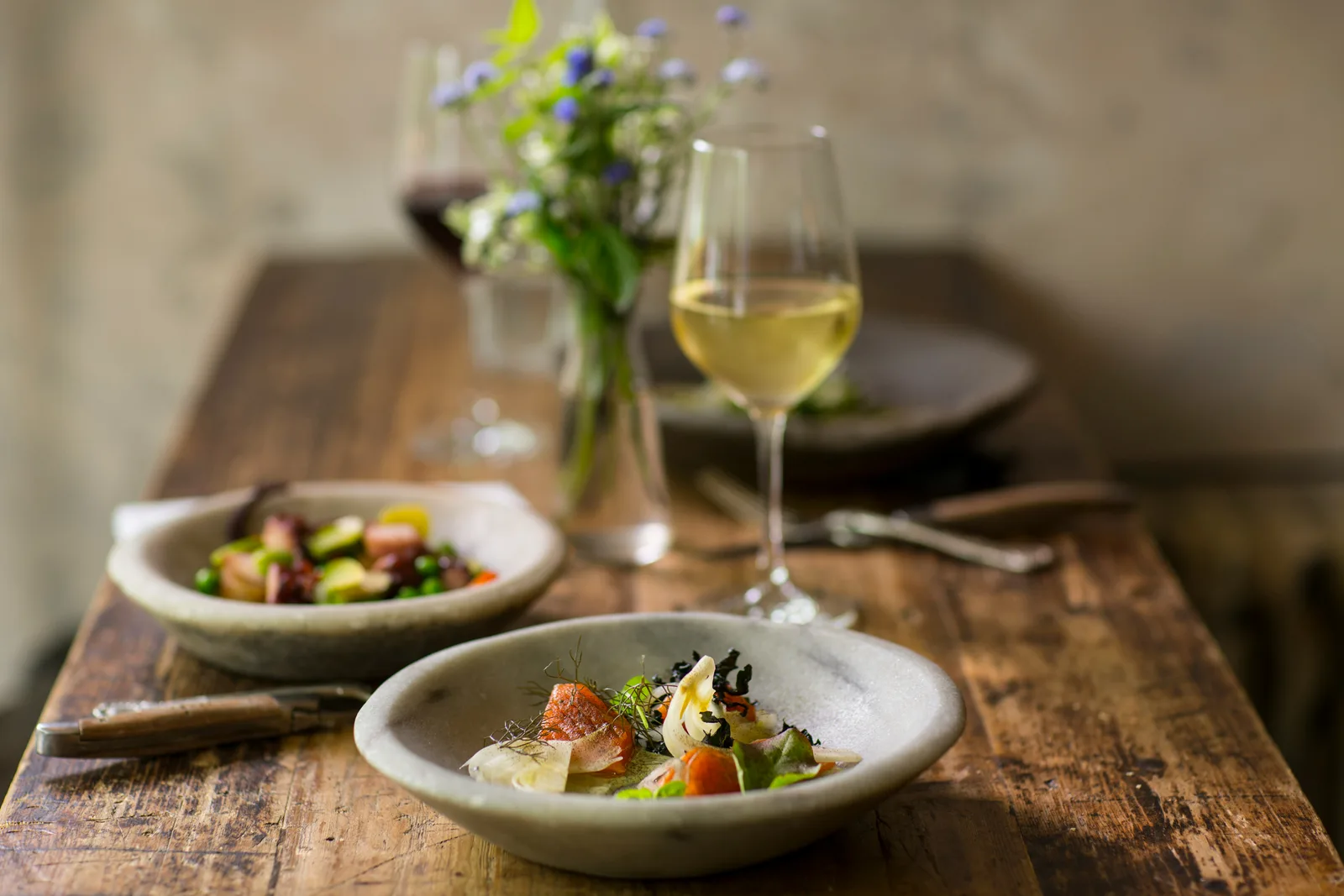
Winter comfort food is the part of the American table that pays attention to the weather. When the temperature drops, kitchens in every region turn to a pot: chili in the Southwest and Midwest, chowder in New England, gumbo in Louisiana, chicken corn soup in Pennsylvania and stew in the mountains.
What counts as winter comfort food?
A dish that is hot, filling and easy to eat with a spoon, and one that tastes better because it has cooked slowly. Soups, stews, casseroles, braises, pot pies and baked pasta all qualify. Bread, rice, noodles or potatoes sit underneath to soak up the broth. Many of these dishes began as the cheapest way to feed a large family: a bone, a handful of beans, a few vegetables and a long afternoon on the stove. That history explains why the recipes forgive a cook who is generous with the pot and why leftovers taste better the next day.
The best comfort food has a history. Each region built its bowl from what grew nearby and what could be stored: beans, root vegetables, cured meat, dried chiles, shellfish and grains.
How does regional chili differ?
Regional chili comes in four main styles. Texas chili is beef and chiles with no beans. Cincinnati chili is a thin, spiced meat sauce served over spaghetti with cheese. New Mexico chile is a stew with roasted green or red chiles and pork. Midwestern chili is often tomato-based with beans and a hint of sweetness, served with oyster crackers or cinnamon rolls.
Ask how the kitchen defines its chili before you order. A purist may take offense if you ask for beans in a Texas bowl. Pick a style, taste it plain and add toppings after. In Cincinnati the order is a number: a three-way is chili, spaghetti and cheese, and a four-way adds onions or beans. In New Mexico the question you will hear is red or green, and the answer is usually the one you prefer.
Which chowder suits winter?
A chowder in winter is a thick soup of seafood, potatoes and cream, and New England clam chowder is the best known. Manhattan clam chowder is tomato-based and clear, and Rhode Island has a clear-broth version. Corn chowder and fish chowder are common in Maine and the Maritimes.
A good chowder holds a spoon upright without turning into paste. The clams should be tender, and the broth should taste of the sea. Oyster crackers are a tradition, not a rule. See how chowder fits in a trip in the fall food festivals guide.
What is gumbo in winter?
Gumbo in winter is Louisiana's answer to the cold: a dark roux, the holy trinity of onion, celery and bell pepper, and a choice of seafood, chicken and sausage or okra. Some versions thicken with filé powder, and a scoop of rice goes in the bowl.
Gumbo is a family recipe, so no two are alike. Order a small cup first, taste the roux and decide whether you want the seafood or the chicken and sausage. A good gumbo should taste smoky and layered, not floury.
What other regional soups and stews should you know?
Regional soups worth seeking out include Pennsylvania chicken corn soup with rivels, Maryland crab soup, Wisconsin beer cheese soup, Brunswick stew in Virginia and Georgia, Minnesota wild rice soup, New Mexico green chile stew and Hawaiian oxtail soup. Black bean soup in Florida, split pea soup in New England and French onion soup in nearly every city appear on winter menus too.
Many of these soups are served on a specific day of the week, so ask what is on the board. Look for local ingredients on the menu: wild rice, a specific pepper, a nearby cheese. If a soup lists them, it comes from a kitchen that cooks with its region in mind.
How do you judge a good bowl?
Start with temperature. A bowl should arrive hot, with steam, not lukewarm. Taste the broth by itself before you add salt or toppings. Check the texture: vegetables should be tender but not mushy, meat should come apart with a spoon and the broth should coat the back of a spoon.
Ask for bread on the side. A good loaf, a biscuit or a pile of crackers turns a bowl into a meal. The guide to ordering at a diner and the guide to the holidays both cover how to eat out in cold months.
How can you make winter dining easier?
Eat early when the weather is bad, since restaurants fill with people who want warmth. Call ahead if snow is in the forecast. Wear layers, because many dining rooms are cool near the door.
The US guides hub lists more regional pages when you want to plan a winter trip around a bowl. Keep a short list of the places that make you feel better on the worst days. A bowl you can count on is worth more in January than a new restaurant you have to learn.
The next time the temperature drops, get the Mosey app, rate the bowls that warmed you and build a list of the winter favorites you would hand to a friend.
Questions
Common questions
What is the difference between chowder and soup?
Chowder is a thick soup, usually with seafood or corn, potatoes and cream, and some regions make it with a clear broth. It is a New England staple in winter.
What are the regional styles of chili?
Texas chili has no beans, Cincinnati chili is served over spaghetti, New Mexico chile is a stew with roasted chiles and the Midwest often adds beans. Each region argues about the rules.
What goes into a gumbo?
A gumbo has a dark roux, onion, celery and bell pepper, with seafood, chicken and sausage or okra, served over rice. It is a Louisiana winter dish. Okra thickens some versions.
Which app can I use to share the winter comfort food I find with friends?
Mosey is a food app for sharing places to eat with friends, finding new ones and rating each dish. Rate each winter bowl by the dish, add a tag, and share a list. Follow friends to see what they rate.
How do I know a bowl of soup is good?
A good bowl should arrive hot, the broth should taste of its ingredients and the vegetables and meat should be tender but not mushy. The best soup for a cold day is whatever the region does best.
More like this
Read next
Adams County Apples and Cider Near Gettysburg
Adams County apples grow in the orchards around Gettysburg: varieties, cider, pies and doughnuts, how to visit a farm market and how to rate what you taste.
Amherst Cider Donuts: Orchards, Farm Stores and Fall Pies
Amherst cider donuts and the fall farm season around them: what a cider donut is, where the valley makes them, how apple picking works and what to bake after.
Appalachian Food: Pepperoni Rolls, Ramps and Beans
A guide to Appalachian food: the West Virginia pepperoni roll, wild ramps, soup beans and cornbread, apple stack cake and how to find them on a mountain drive.
Arizona food festivals: Tucson Meet Yourself, Scottsdale and more
A guide to the long-running food festivals in Arizona, from Tucson Meet Yourself in the fall to the Scottsdale Culinary Festival in spring, and how to plan for each.
