
Food culture
Road Trip Food: Roadside Stands and Diners
Mosey · November 11, 2026 · 5 min read
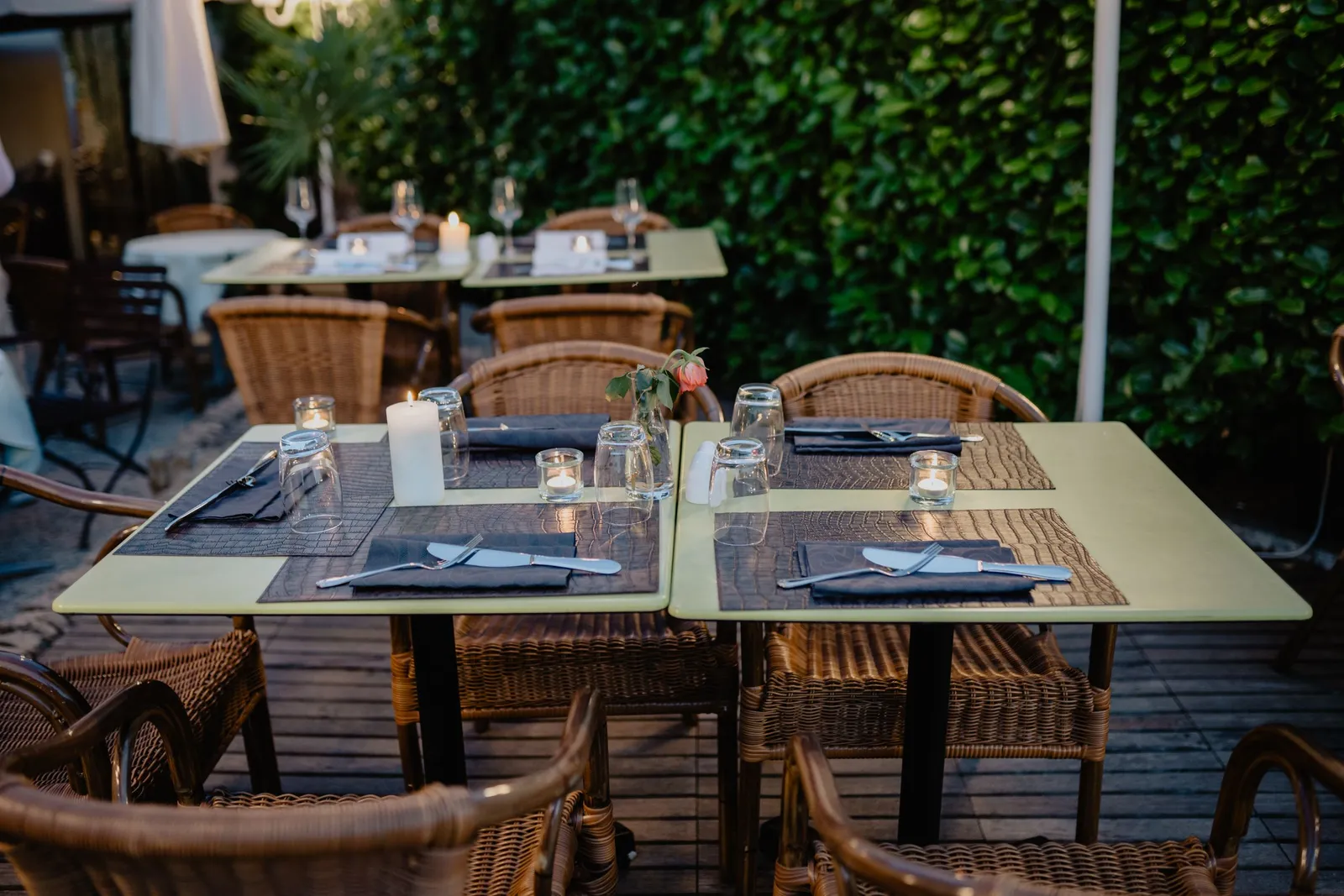
Road trip food can be the best part of the drive or the worst, and the difference is usually where you stop. The big signs at the exit are built to catch tired drivers, while the good places sit a mile off the ramp with a gravel lot and a handwritten menu. Look for a full lot with local cars and work trucks.
A counter lunch can take thirty minutes, so decide how much time you can spare before you stop. Pack water, napkins, wet wipes, a trash bag and snacks that do not melt.
A farm stand can feel like a small market, and a roadside diner can feel like a neighborhood. Slow down, ask the person behind the counter what is good, and take the dish that belongs to the region.
What makes road trip food worth the stop?
Local, simple and fast. A place worth stopping for serves a dish that belongs to its region, such as biscuits in the South, pasties in the Upper Peninsula of Michigan, green chile in New Mexico, a fish fry in Wisconsin or fresh peaches in Georgia. It also serves it quickly enough that you can get back on the road.
Decide in advance how much time you can spare. A thirty-minute stop for a counter lunch is a gift to the trip. A ninety-minute sit-down meal is a destination.
How do you read roadside diners from the parking lot?
Roadside diners tell you a lot before you open the door. Look for a lot with a mix of work trucks, local cars and a few out-of-state plates. A full lot at 11:30 in the morning is better evidence than a sign that says "famous."
Look at the building, too. A kitchen vent with a small plume of smoke means the grill is working. A menu posted in the window should be short and specific. If the specials are written by hand and today's pie is listed, you are in the right place. The diner ordering guide explains the shorthand once you sit down.
What can farm stands feed you?
Farm stands and honor-box tables line rural roads in summer. They sell fruit, vegetables, jam, honey, baked goods and sometimes sandwiches or pies. You can build a lunch from tomatoes, bread, cheese and a peach in five minutes and eat it at a picnic table.
Keep a small cooler with ice packs, a knife, a roll of paper towels and some cash in small bills. Many stands run on trust, so leave the right amount. The farm stands road trip habit pays off best in the late summer, when corn, berries and melons are at their peak.
What is Route 66 food today?
Route 66 food is more about the memory of the road than a menu. The historic highway ran from Chicago to Santa Monica, and diners, drive-ins and motor courts along it became symbols of the American road. Many of those stops still serve burgers, shakes, chili, pie and breakfast all day, and several keep their neon signs and counters from decades ago.
Treat it as a themed route rather than a guarantee. Some stretches are mostly tourist stops, and others, especially in small towns, still serve locals. Ask the person behind the counter where they eat on their day off.
What are the best highway diner tips?
Carry cash for places that do not take cards. Order the dish the sign advertises. Ask what is fresh today. Sit at the counter if you are alone, since it is faster and you can watch the kitchen. Order coffee early, because refills are the thing diners do best.
Skip the long menu. A place that serves breakfast, tacos, lasagna and sushi is not doing any of them well. A place that does six things, all with confidence, will feed you better and faster.
How do you plan a road trip around meals?
Decide where you will sleep, then work backward. Mark one or two lunch stops that fit the miles for the day and leave room to change your mind. Eat lunch at the local hour, not an hour before or after it, since the best food is cooked for the lunch crowd.
Look at maps for small towns near the highway, not at the exit itself. A town with a main street, a courthouse and a bakery usually has somewhere good to eat. The guide to finding good food in a new city uses the same instincts in a bigger place. For state-level ideas, the US guides hub is a good place to start.
What should you pack for the car?
Water, napkins, a trash bag, wet wipes, a small cooler and a few snacks that do not melt. Keep a paper map or an offline map, since cell service drops in the places with the best food.
Take a notebook or a notes app and write down each stop: the town, the dish, the person who served you. A trip is easy to remember at the beginning and hard to recall in detail a month later.
Before you pull back onto the highway, get the Mosey app, rate the meal you just ate and build a list of the roadside tables you would drive an hour to visit again.
Questions
Common questions
How do I find a good diner on a road trip?
Look for a full lot with local cars and work trucks, a short menu and handwritten specials, rather than a large sign at the exit. A diner worth stopping for serves a dish that belongs to its region.
Is Route 66 food still worth trying?
Many diners and drive-ins along Route 66 still serve burgers, shakes and pie. Some are tourist stops, so ask staff where locals eat, and look for a short menu and a busy counter.
What should I bring to a farm stand?
Bring cash in small bills, a cooler with ice packs, a knife and paper towels. Many road trip farm stands work on the honor system, so carry change and leave payment in the box.
Which app can I use to keep a list of the road trip stops I find and share it?
Mosey is a food app for finding places to eat, rating them by the dish and sharing them with friends. Rate each road trip stop by the dish, add a tag such as Diner, and share a list. Follow friends to see what they rate.
How long should a road trip meal stop take?
A counter lunch can take thirty minutes. Decide how much time you can spare before you stop, and avoid a heavy lunch if the next leg is long. A short stop keeps the drive on schedule.
More like this
Read next
Adams County Apples and Cider Near Gettysburg
Adams County apples grow in the orchards around Gettysburg: varieties, cider, pies and doughnuts, how to visit a farm market and how to rate what you taste.
Amherst Cider Donuts: Orchards, Farm Stores and Fall Pies
Amherst cider donuts and the fall farm season around them: what a cider donut is, where the valley makes them, how apple picking works and what to bake after.
Appalachian Food: Pepperoni Rolls, Ramps and Beans
A guide to Appalachian food: the West Virginia pepperoni roll, wild ramps, soup beans and cornbread, apple stack cake and how to find them on a mountain drive.
Arizona food festivals: Tucson Meet Yourself, Scottsdale and more
A guide to the long-running food festivals in Arizona, from Tucson Meet Yourself in the fall to the Scottsdale Culinary Festival in spring, and how to plan for each.
