
City guide
Best food halls and markets in Boston: Haymarket to Quincy Market
Mosey · November 11, 2026 · 5 min read
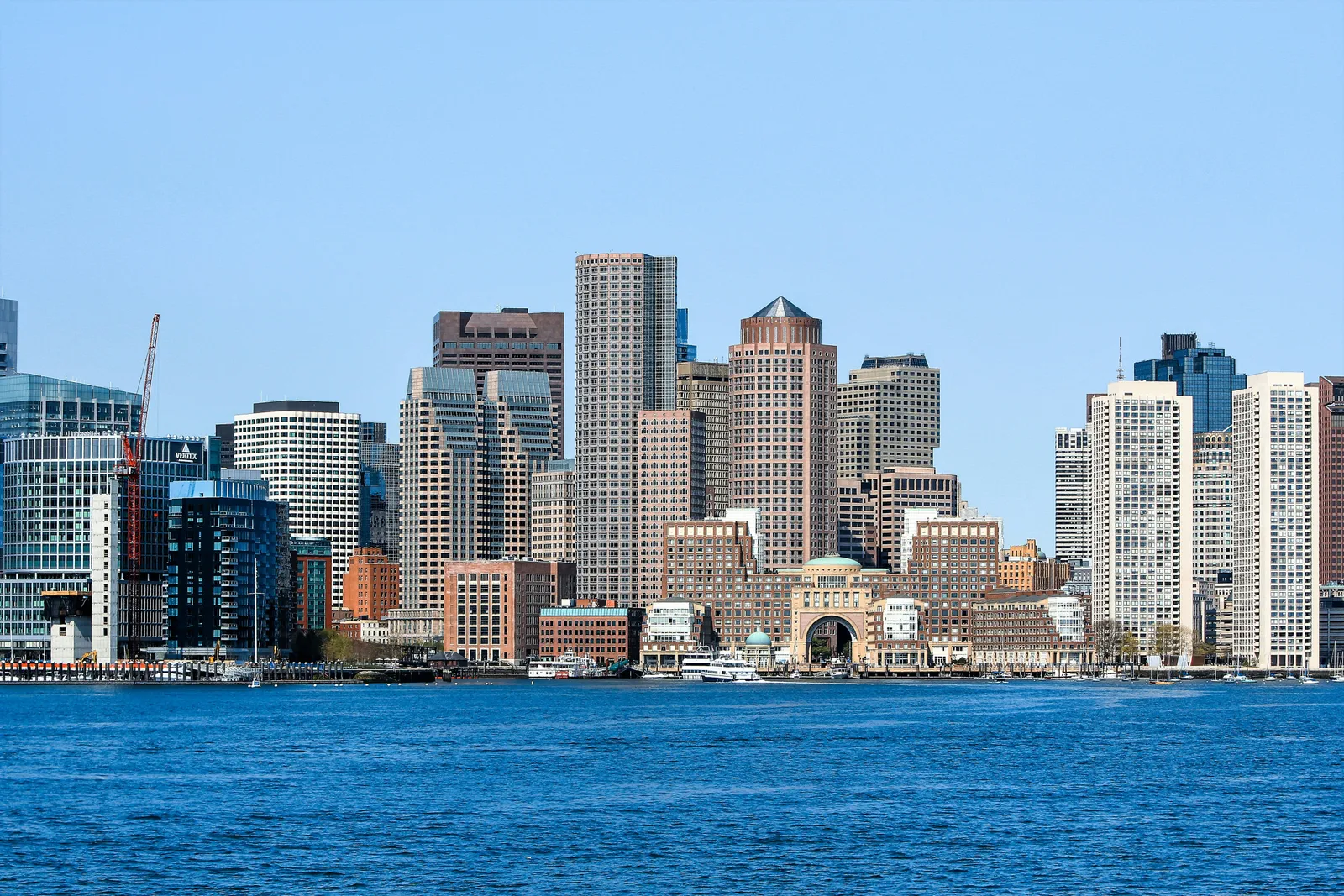
Boston has three kinds of food market: an old outdoor produce market, a modern indoor hall of New England vendors, and a historic tourist marketplace with dozens of food counters. They suit different needs and different budgets. Pick the one that suits your appetite, your budget and your day.
What is Haymarket and when should you go?
Haymarket is an open-air produce market beside the Greenway, near the North End and Government Center. The stalls sell fruit, vegetables and some fish at low prices. It is crowded and fast, with sellers calling prices, and it is best with cash and a bag. Bring a list, check the produce before buying, and arrive in the morning for the best selection. Weather thins the stalls on a bad day. Vendors often sell in bulk, such as a bag of lemons for a set price, so bring a friend to split a bag if you only need a few. Prices are quoted aloud, so listen to the vendor before you hand over money, and weigh anything sold by the pound if you are unsure.
What is the Boston Public Market?
The Boston Public Market is an indoor, year-round hall beside Haymarket where vendors sell only New England products: produce, fish, meat, cheese, baked goods and prepared food. It is calmer than Haymarket, with seating, and it suits a lunch or a gift of local food.
What is Quincy Market at Faneuil Hall?
Faneuil Hall Marketplace is a historic complex of buildings, and Quincy Market is its long central hall of food counters. Its counters sell chowder, lobster rolls, pizza, pastry and international dishes. It is very popular with visitors, so it is busy at midday and prices reflect the location. It is useful for a quick, varied meal with a group that cannot agree, and for people who want to see a landmark. For better value, take food out and eat on the nearby plaza or the Greenway.
Which food halls are in other neighborhoods?
Boston has food halls beyond the center too, including one in the Fenway area where every counter is a different kitchen. Other neighborhoods have smaller halls and public markets, and weekly farmers markets in Copley Square, in the squares of Cambridge and Somerville and in many neighborhoods through the warm months.
What do you eat at a market?
At Haymarket, buy fruit and eat it as you walk. At the Boston Public Market, try seafood, cheese, bread and pastries, and look for seasonal produce such as apples in the fall and berries in summer. At Quincy Market, try a cup of chowder, a lobster roll or a baked bean dish, and compare prices before you pay. Picnics are easier than sit-down meals in the markets.
How much does it cost?
Haymarket is the cheapest, with produce priced by the pound or by the bag. The Boston Public Market is moderate, and Quincy Market is moderate to expensive for what you get. Add the meals tax on prepared food, and tip if a counter has a tip jar and you are served at your seat. Many vendors take cards, but cash helps at the open-air stalls.
What is the best way to use a market?
Go with a plan. Early on a weekday, the aisles are calm, vendors have time to talk, and you can find seats. Bring a reusable bag, check your allergy needs with each vendor, and keep a cooler bag for fish and dairy if you will travel afterward. At peak times, hold your belongings close.
How do farmers markets fit in?
Boston and its neighbors run farmers markets in warm months, usually from late spring into the fall, in places such as Copley Square and the squares of Cambridge and Somerville. They sell vegetables, fruit, eggs, honey, bread and prepared food, and some accept food assistance benefits. A farmers market lunch, from a bakery sandwich to a cup of fresh cider, is a more relaxed alternative to the big indoor halls. Go early for the best choice and bring bags.
What should visitors know about crowds and timing?
Haymarket and Faneuil Hall are busiest on weekends and in summer, when visitors from cruise ships and tour groups arrive. Weekday mornings are calmer. Holidays change hours at the indoor markets, so check before you go on a holiday weekend. If you are traveling with a stroller or a wheelchair, the indoor markets are easier than the open-air stalls, which have uneven ground and tight aisles. Public transit stops are near all three main markets, which is useful because parking is expensive.
How do you remember which market stall was worth the line?
A market lunch is a dozen tiny decisions, and the good ones are easy to forget by the next visit. In the Mosey app, rate the chowder, the cheese or the pastry by the dish, add a tag so you can find it later, and keep a list for each market. Share the list with whoever you are bringing next time, and they can add the stall they loved. Follow a friend who shops at Haymarket every week and their ratings are there when you need a tip.
Rate your next market lunch in the Mosey app and start a list for your next trip.
More guides to read next:
- Boston Chinatown food guide: dim sum, noodles, bakeries and hot pot
- East Boston food guide: Maverick Square and Latin American flavors
- Gluten-free and vegan restaurants in Boston: how to eat safely
More in the US food guides and the ranked lists of places.
Questions
Common questions
When should I go to Haymarket?
Go in the morning, when the selection is best and the crowd is thinner. It is an outdoor market, so bring cash and a bag, and expect fewer stalls in bad weather.
Is the Boston Public Market open all year?
It is an indoor market that operates year round, so it works in any weather.
Is Quincy Market worth visiting for food?
It is convenient and varied, with many food counters, but it is busy and tourist-priced. Take food out for better value.
Is there a food hall in Fenway?
Yes. The Fenway area has a food hall with a mix of counters, which suits a group that cannot agree on dinner.
Do market vendors take cards?
Most indoor vendors do. Open-air stalls such as Haymarket are easier with cash.
More like this
Read next
Beacon Hill Boston Restaurants: A Neighborhood Guide
A guide to Beacon Hill Boston restaurants: Charles Street cafes and a diner, Italian dinners, brunch lines and how to plan around the hills and brick sidewalks.
Become a Local Champion in Boston
Become a Local Champion in Boston by rating five places, answering three Top 3 questions and making a list, from North End bakeries to Chinatown dim sum.
Best Lobster Rolls in Boston: Hot, Cold and Fried
A guide to the best lobster rolls in Boston: hot buttered or cold with mayo, the shops and seafood houses worth a stop and how to order one well.
Best restaurants near me in Boston: a neighborhood guide (2026)
There is no single best restaurant in Boston. Find a good meal near you by neighborhood, kind of meal and price, and check what is good right now.
