
How to
Gluten-free and vegan restaurants in Boston: how to eat safely
Mosey · November 11, 2026 · 6 min read
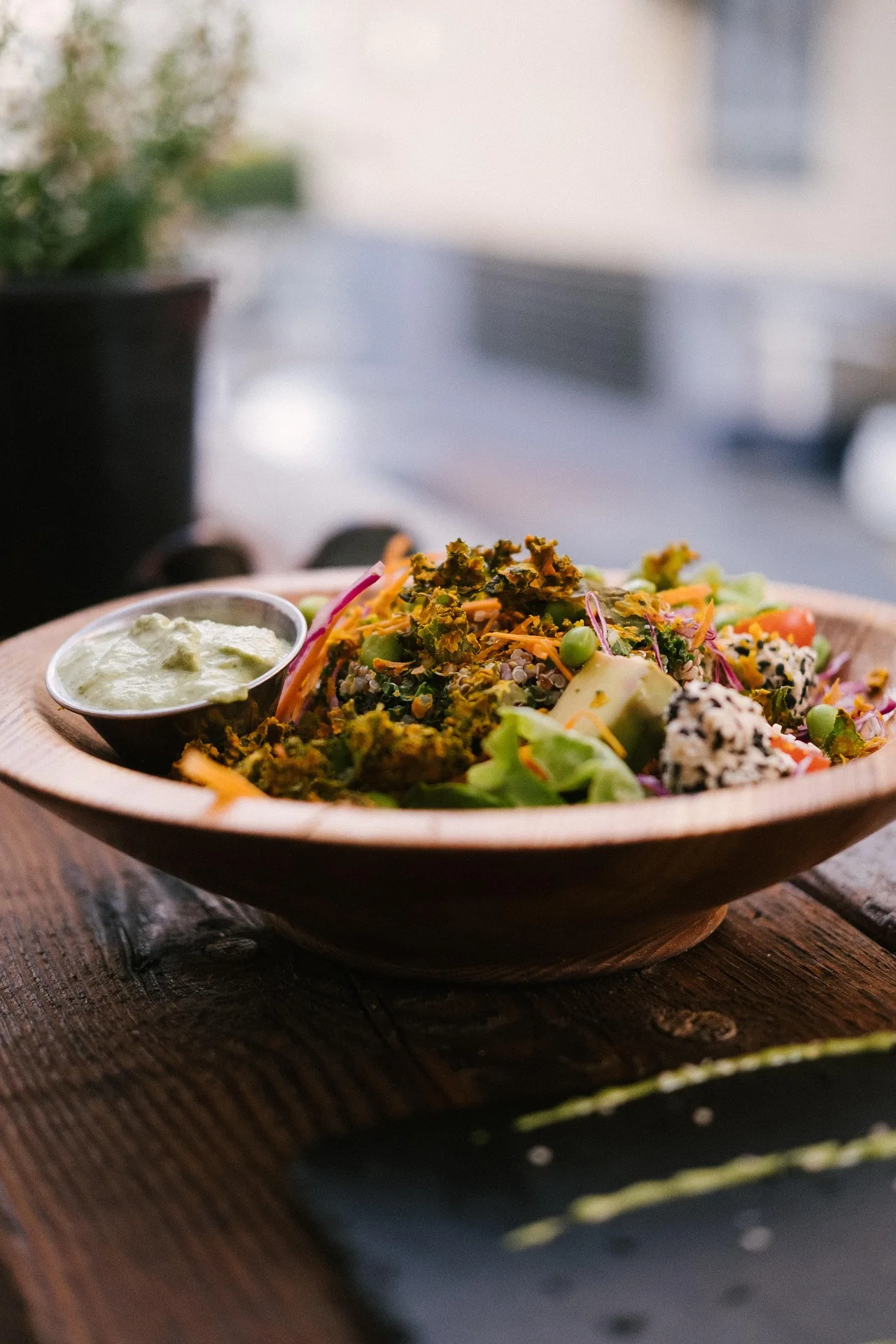
Boston is an easy city for vegetarians and a workable one for vegans and people avoiding gluten, provided you ask the right questions. Massachusetts sets allergen rules that restaurants must follow, but those rules cover allergens and not preference diets, and "gluten-free" on a menu can mean anything from a careful kitchen to a hopeful label. Know what the law covers, ask the right questions, and Boston is a good city to eat well in.
What do Massachusetts allergen rules require of restaurants?
Massachusetts food-code rules require food establishments to have allergen awareness in place. The state health department's guidance says a person in charge must be trained in allergen awareness, a certified food protection manager must hold allergen training, and menus or menu boards must carry a notice asking diners to tell the server about food allergies. A poster approved by the state must be displayed where staff can see it. The state's guidance lists the major allergens: milk, egg, fish, shellfish, tree nuts, wheat, peanuts, soybeans and sesame. Wheat is on that list, so a server should be able to tell you whether a dish contains it. The rules concern allergens, though, and do not define "gluten-free", so ask about cross-contact too.
How do you ask about gluten safely?
Say the word celiac if you have celiac disease, because it signals a medical need and not a preference. Ask whether the dish contains wheat, barley or rye, whether the fryer is shared, and whether the kitchen uses a separate surface and clean utensils. Ask about sauces, soy sauce, soups thickened with flour, and breaded items. If the server is unsure, ask for the manager or the chef. A restaurant that answers confidently is usually safer than one that says everything is fine.
Which kinds of restaurants make it easier?
Dedicated gluten-free bakeries and restaurants exist in the Boston area, and their kitchens are built around the problem. Mexican restaurants with corn tortillas, Indian restaurants with rice and lentil dishes, Vietnamese rice noodle dishes, and Ethiopian injera (check whether it is pure teff) are common starting points. Sushi can be safe if you avoid soy sauce with wheat and imitation crab. Italian restaurants in the North End often offer gluten-free pasta, but they may cook it in shared water, so ask. Pizzerias vary widely, and shared ovens are a risk.
Where do vegans eat well in Boston?
Vegetarian and vegan food is available across the city. Chinatown has Buddhist-style vegetarian restaurants and many tofu and vegetable dishes. Cambridge and Somerville, near the universities, have long-standing vegetarian cafes. Allston, Jamaica Plain and the South End have plant-based restaurants. Middle Eastern, Indian and Ethiopian restaurants all have dishes that are vegan without any adjustment. Menus in the city usually mark vegan and vegetarian options, though dairy and egg often hide in sauces and breads, so confirm.
What do you do at a traditional New England restaurant?
Seafood shacks and old-style taverns are the hardest. Chowder is thickened with flour, fried clams are battered, and baked beans may contain pork. Ask what is available. Grilled fish with vegetables, a baked potato, a salad and plain steamed lobster are often safe for gluten, but dairy and butter are everywhere. Vegans can ask about a vegetable plate, and many chefs will make one. Call ahead for a special occasion.
How do you check a restaurant before you go?
Read the menu online for symbols and notes, and email or call to ask about the kitchen. Use recent reviews from people with the same needs, but treat any single review with care, because kitchens change. Look at the date. If a restaurant says it can accommodate allergies, ask what that means. When you arrive, tell the server again, even if you wrote in the booking.
What if you have a reaction?
Carry any medication your doctor has prescribed, including epinephrine for severe allergies, and know where the nearest hospital is. Boston has several large hospitals, and emergency services answer 911. Tell the restaurant afterward, because the state health department takes reports, and your local board of health follows up on food safety complaints.
What about bakeries, cafes and grocery shortcuts?
If you are staying in Boston for several days, a grocery store is a useful backup. Large supermarkets in the city carry gluten-free bread, pasta and snacks, and several health food stores around Cambridge, Brookline and Jamaica Plain stock vegan cheeses, ready meals and prepared salads. For breakfast, many cafes serve oatmeal, fruit, eggs and potatoes that avoid wheat, though toast and pastries share counters and toasters with gluten. Ask for a clean toaster or skip it. Coffee shops almost always offer oat or soy milk, often at a small extra charge, so check the price. Farmers markets in Copley Square and the squares of Cambridge and Somerville in the warm months sell fruit, vegetables, eggs and some naturally gluten-free baked goods, but ask the stall about shared ovens.
What should visitors from abroad know about labels?
In the United States, a package labeled gluten-free must meet a federal standard of under 20 parts per million, but a restaurant menu claim is a voluntary statement and is less strictly checked. Visitors used to the celiac labeling of another country may find that restaurants here are less consistent. Carry a card in English that lists what you cannot eat, since it helps a busy server. Tipping, taxes and portion sizes are also different, so allow time for questions, and sit where the server can talk to you without rushing.
How do you keep track of the gluten-free and vegan meals that worked in Boston?
Mosey rates places by the dish, so the note about the vegan chili or the gluten-free pizza stays with that dish and not with the whole restaurant. Add a tag to the meals that treated you well, keep them in a list you might call Safe in Boston, and share the list with a friend who eats the same way, who can add their own finds. The Hide dishes that list filter takes out the dishes a place has listed an allergen for. Where nothing is filled in, Mosey says "Allergens not listed, ask the place", which is your cue to talk to the kitchen. Mosey never says a dish is free of anything, so the server and the chef still have the last word.
Rate your next gluten-free or vegan dish in the Mosey app and give the next diner a head start.
More guides to read next:
- Boston Chinatown food guide: dim sum, noodles, bakeries and hot pot
- Halal and kosher restaurants in Boston and Brookline: how to find them
- Kid-friendly restaurants in Boston: eating out with children
More in the US food guides and the ranked lists of places.
Questions
Common questions
Does Massachusetts require restaurants to label gluten-free dishes?
No. State rules cover major allergens, including wheat, and require allergen awareness training and a menu notice, but they do not define gluten-free. Ask about cross-contact.
What are the major allergens in Massachusetts guidance?
Milk, egg, fish, shellfish, tree nuts, wheat, peanuts, soybeans and sesame, according to the state health department guidance.
Is it easy to eat vegan in Boston?
Yes in most neighborhoods. Chinatown, Cambridge, Somerville, Allston and Jamaica Plain have many options, and ethnic restaurants often have vegan dishes.
Should I say I have celiac disease or just that I avoid gluten?
If you have celiac disease, say so. It tells the kitchen the need is medical, and they take more care with cross-contact.
Are fried foods safe if I avoid gluten?
Often not. Shared fryers pick up wheat from breaded items, so ask whether the fryer is used only for gluten-free food.
More like this
Read next
Beacon Hill Boston Restaurants: A Neighborhood Guide
A guide to Beacon Hill Boston restaurants: Charles Street cafes and a diner, Italian dinners, brunch lines and how to plan around the hills and brick sidewalks.
Become a Local Champion in Boston
Become a Local Champion in Boston by rating five places, answering three Top 3 questions and making a list, from North End bakeries to Chinatown dim sum.
Best Lobster Rolls in Boston: Hot, Cold and Fried
A guide to the best lobster rolls in Boston: hot buttered or cold with mayo, the shops and seafood houses worth a stop and how to order one well.
Best restaurants near me in Boston: a neighborhood guide (2026)
There is no single best restaurant in Boston. Find a good meal near you by neighborhood, kind of meal and price, and check what is good right now.
