
City guide
Boston Chinatown food guide: dim sum, noodles, bakeries and hot pot
Mosey · November 11, 2026 · 5 min read
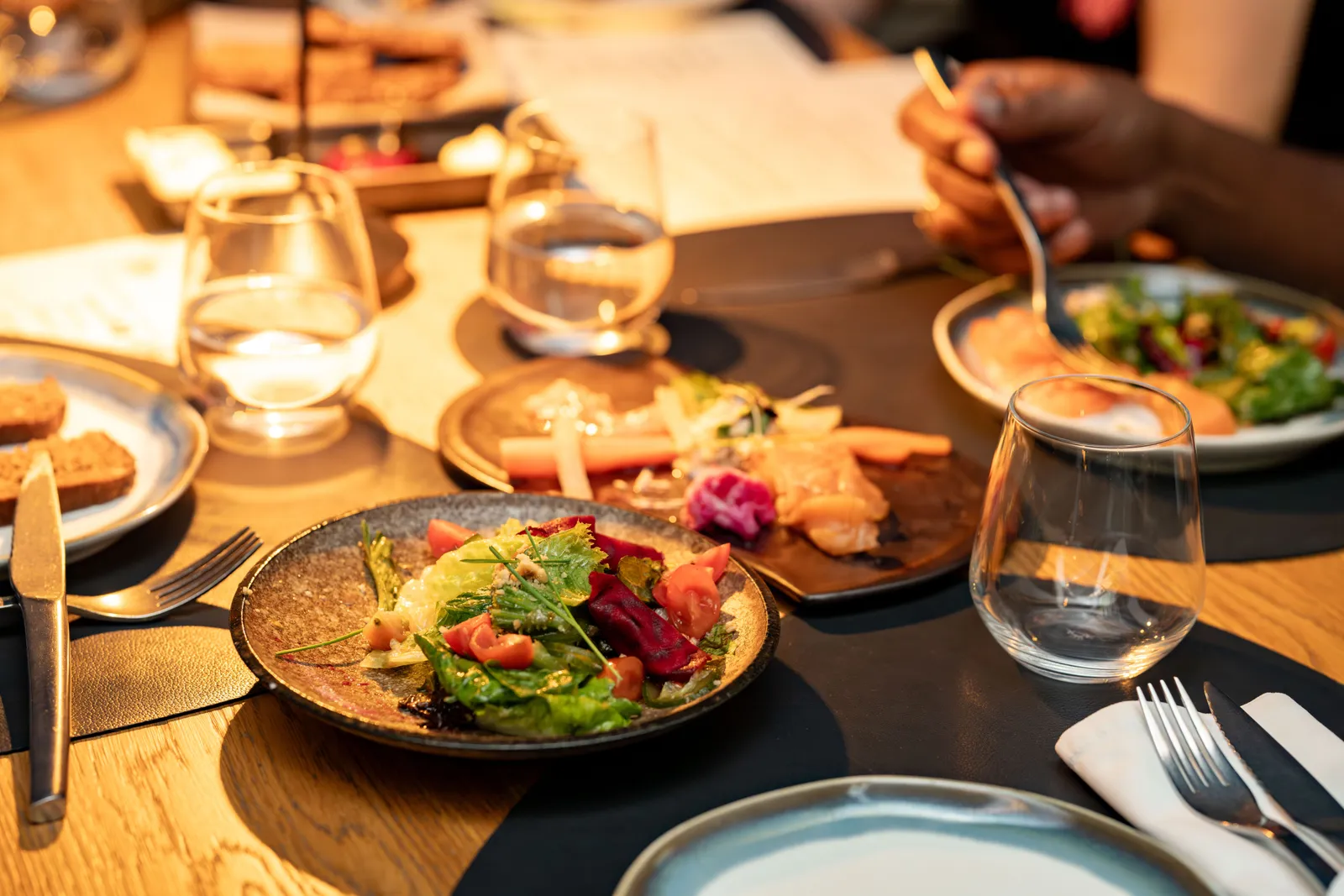
Boston's Chinatown is a compact, dense neighborhood just south of downtown, and it is often described as the third largest Chinatown in the United States and the only ethnic Chinese enclave in New England. It is packed with restaurants, bakeries, bubble tea counters and grocery stores, mostly within a few blocks of Beach Street, Tyler Street and Harrison Avenue. The best way to eat here is to go with a group, order several dishes to share, and arrive hungry.
Where is Boston's Chinatown and how do you get there?
Chinatown sits next to the Theater District and the Financial District, just south of Boston Common, and is easy to reach on the subway. The traditional gate near Chinatown Park marks an entrance, and Beach Street is the heart of the dining. Several Chinese-language signs, a street-level grocery trade and the hum of delivery vans make it feel different from the rest of downtown. The streets are narrow, parking is hard, and most people arrive on the Orange Line (Chinatown station), the Green Line (Boylston station) or on foot. Plan your meal before you go, and expect crowds on weekend mornings for dim sum.
How does dim sum work in Chinatown?
Dim sum is a Cantonese meal of small dishes eaten with tea, traditionally in the late morning and early afternoon. Some Chinatown rooms still serve from rolling carts; others use order sheets or a menu. Rooms range from large banquet-style halls to smaller, more intimate spots, and Tyler Street has long held several dim sum restaurants.
Here is how to order well:
- Go with at least three or four people, so you can try more dishes.
- Start with classics: shrimp dumplings (har gow), pork and shrimp dumplings (siu mai), barbecue pork buns and rice noodle rolls.
- Add one fried item, one vegetable (gai lan, a Chinese broccoli, is common), and a sweet dish such as egg tarts.
- Order tea for the table, and pour for others before yourself.
Weekends are the busiest time. If you want a calm meal, go on a weekday or arrive when the doors open.
Where do you find noodle soups and rice dishes?
Beyond dim sum, Chinatown is a good place for casual meals: wonton noodle soup, roast duck over rice, congee, Hong Kong-style cafe dishes and Taiwanese-style beef noodle soup. Many of these restaurants are small, quick and inexpensive. Vietnamese pho shops are also part of the neighborhood. If you have limited time, a noodle bowl and a bakery stop makes a strong lunch.
What about hot pot, barbecue and late dinners?
Hot pot restaurants, where a simmering pot is set at the table and you cook meat, seafood and vegetables yourself, are popular for groups. They tend to fill up early on weekend evenings, and many ask you to put your name on a list. Cantonese barbecue shops hang roast duck, pork and chicken in the window, and you can buy them by the portion to take away. Several kitchens stay open later than much of downtown, which makes Chinatown a good option after a show.
Which bakeries and dessert shops should you try?
Chinese bakeries sell a mix of sweet and savory items: pineapple buns (which contain no pineapple, the name comes from the cracked top), egg custard tarts, barbecue pork buns, sesame balls and almond cookies. The cases are usually self-serve with tongs and a tray, and you pay at the counter. Bubble tea shops cluster on and around Beach Street, along with dessert counters serving shaved ice and tofu pudding.
What about festivals and events?
Lunar New Year is the biggest event of the year, with lion dances, firecrackers and processions through the neighborhood, usually in late January or February. The Mid-Autumn Festival in early autumn is another occasion for mooncakes and gatherings. Dates move with the lunar calendar, so check each year.
How do you shop for groceries and snacks in Chinatown?
Chinatown's grocery stores sell produce, live seafood, dried goods, sauces, noodles and snacks from across Asia, and they are the best way to see what local cooks buy. Fruit and vegetable stalls spill onto the sidewalk, with prices that are often lower than in supermarkets. Bakeries sell by the piece, so you can pick up a few buns for the walk back to the subway. If you want to cook at home, buy a jar of chili crisp, a bag of fresh rice noodles or a few packets of instant ramen to try something new. Some small shops are cash only, so carry a little cash.
Is Chinatown good for families and dietary needs?
Chinatown is good for families because dishes are shared and portions flexible. For dietary needs, be direct. Many dishes use soy sauce (which contains wheat), oyster sauce, shrimp paste and peanut oil, so if you have a gluten or shellfish allergy, tell the server clearly and ask what is in a dish. Vegetarian diners can find tofu, vegetable and mushroom dishes, but many sauces are made with meat stock, so ask. On Mosey you can rate the places you eat and the dishes you order, and follow friends whose taste you trust.
More guides to read next:
- Boston seafood classics: chowder, lobster rolls, fried clams and cream pie
- Dorchester, Jamaica Plain and Allston: Boston neighborhood food guide
- Boston North End food guide: Hanover Street, cannoli and red-sauce dinners
More in the US food guides and the ranked lists of places.
Questions
Common questions
What is the best time for dim sum in Boston's Chinatown?
Late morning to early afternoon, on a weekday if you can. Weekends are busy and may have a wait.
Is Boston's Chinatown close to the subway?
Yes. It is a short walk from Boston Common and is served by the Orange and Red Lines.
Do I need a reservation for dim sum?
Often not, but large groups and weekend visits are easier with a call ahead. Policies vary by restaurant.
What should I order first at dim sum?
Shrimp dumplings, pork and shrimp dumplings, barbecue pork buns and rice noodle rolls are the classics.
Is Chinatown a good place to eat if I have a shellfish or gluten allergy?
Ask the server clearly. Soy sauce contains wheat, and oyster sauce, shrimp paste and shared woks are common, so choose a place willing to talk you through the dishes.
When is Lunar New Year celebrated in Chinatown?
Usually late January or February, with lion dances and parades. The date follows the lunar calendar and changes each year.
More like this
Read next
Beacon Hill Boston Restaurants: A Neighborhood Guide
A guide to Beacon Hill Boston restaurants: Charles Street cafes and a diner, Italian dinners, brunch lines and how to plan around the hills and brick sidewalks.
Become a Local Champion in Boston
Become a Local Champion in Boston by rating five places, answering three Top 3 questions and making a list, from North End bakeries to Chinatown dim sum.
Best Lobster Rolls in Boston: Hot, Cold and Fried
A guide to the best lobster rolls in Boston: hot buttered or cold with mayo, the shops and seafood houses worth a stop and how to order one well.
Best restaurants near me in Boston: a neighborhood guide (2026)
There is no single best restaurant in Boston. Find a good meal near you by neighborhood, kind of meal and price, and check what is good right now.
