
City guide
Boston North End food guide: Hanover Street, cannoli and red-sauce dinners
Mosey · November 11, 2026 · 5 min read
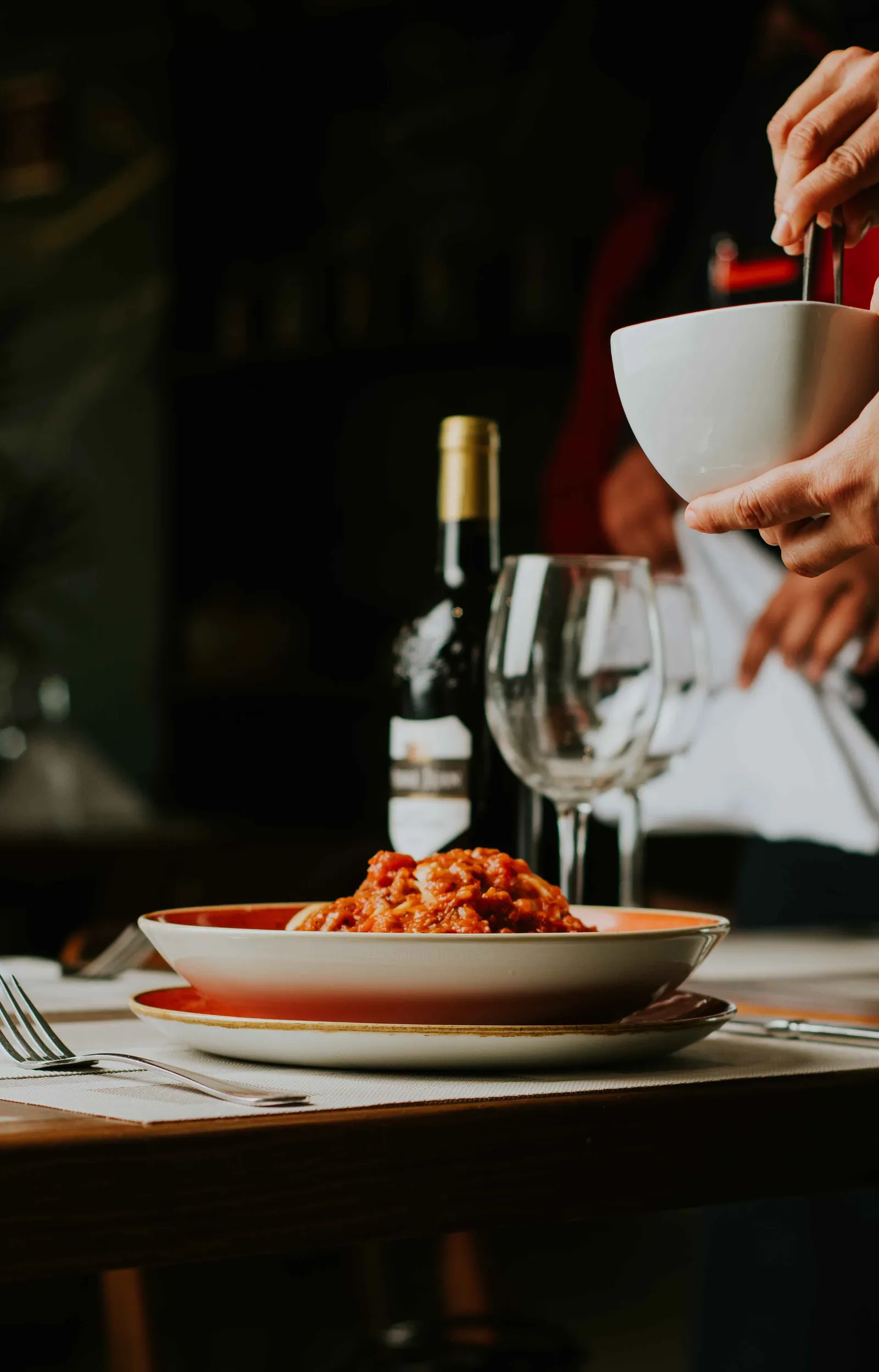
The North End is Boston's old Italian-American neighborhood, a tight grid of narrow streets on the waterfront side of downtown, and it packs more restaurants and bakeries per block than almost anywhere in the city. Hanover Street is the spine. For the best experience, walk the side streets as well as Hanover, expect a wait at the famous bakeries, and plan dinner before you arrive, because most of the restaurants are small.
Where do you start in the North End?
Start on foot. The neighborhood is small enough to cross in ten minutes, and you reach it from downtown by walking past the Haymarket area and across the Greenway park. Hanover Street runs through the middle, with Salem Street and the lanes around North Square on either side. Most visitors arrive hungry and make a beeline for the first bakery window they see, which is fine, but a better plan is to walk the whole of Hanover once, note the lines, and choose.
If you are coming from the market district, the outdoor Haymarket stalls (fruit, vegetables and some fish) set up on Friday and Saturday, and the Boston Public Market, an indoor year-round hall of New England vendors, sits nearby. Both are a good warm-up for a day of eating.
Which cannoli bakeries have the lines?
Pastry is the North End's signature. The family bakeries on Hanover Street and Salem Street are institutions, with lines out the door on busy evenings and weekends, so go early in the day for cannoli and sfogliatelle.
The cannoli itself comes from Sicily. The classic version is a fried pastry shell filled with sweetened ricotta. Many North End bakeries fill the shell to order, which keeps it crisp, while others sell shells pre-filled. If crispness matters to you, ask. Beyond cannoli, look for sfogliatelle (a layered, shell-shaped pastry), rum-soaked cakes, lobster tails of pastry, almond cookies and Italian ices.
How do you get a table for dinner in the North End?
Dinner is where the neighborhood can frustrate visitors. The dining rooms are small, and the best-known ones fill early on weekends. Some take reservations, some take only walk-ins, and many that do take reservations hold only a portion of their tables for them. A sensible approach is:
- Decide on a time before 6 p.m. or after 8:30 p.m., when the rush eases.
- Call or check the restaurant's own page for its reservation policy, because rules vary place by place.
- If a place has a walk-in list, give your name and phone number, then wander the side streets until you are called.
- Have a second choice ready within a few blocks.
Weekend walk-in waits at popular spots can run an hour or more at the peak, so treat a table as a plan, not an assumption. Some small places in the neighborhood take cash only or add a minimum per person, so ask when you book.
What should you order at an old-school Italian place?
The North End is known for Italian-American cooking: baked pastas, veal and chicken parmigiana, and seafood in tomato or garlic sauces, plus northern and southern regional dishes from newer kitchens. Portions are often generous, and sharing a pasta and a main between two people is common. House-made pasta, a plate of cured meats and cheeses, and a simple dish of clams or mussels are all safe orders. Ask your server about specials, which often depend on what the kitchen got that morning.
What are the North End feasts?
In summer the neighborhood holds religious feasts, with processions, music and food stalls on the streets. They are tied to saints' days and run on specific weekends, mostly from June to early September, with July and August the busiest. They bring large crowds and street closures, so if you want to join one, look up the current schedule. If you want a quiet dinner, avoid a feast weekend.
How do you eat in the North End on a budget?
Hanover Street prices are aimed at an evening out, but the neighborhood is also good for a cheap meal. Many Italian delis make hot and cold sandwiches on crusty rolls that cost far less than a sit-down plate, and a slice of pizza, a rice ball or a pastry and coffee makes a decent snack. Lunch menus at the dining rooms are often shorter and cheaper than dinner menus, with the same kitchen behind them. Sharing a pasta and a main between two people also keeps the check down. If you want to stay longer, buy cheese, cured meat and bread at a deli and eat in the park.
When is the North End quietest?
Weekday afternoons are the calmest, and winter weekdays calmer still. Weekend evenings in summer are the busiest of the year, particularly when a ball game or concert at nearby venues lets out. If you have limited time, a late lunch on a Tuesday or Wednesday gives you the neighborhood at its most relaxed.
What else is nearby to eat or see?
North Square sits at the heart of the neighborhood, with the Paul Revere House close by, and the Greenway park gives you a place to sit with a pastry. A walk on to the waterfront or the Faneuil Hall area is easy. If you are keen on seafood rather than Italian food, our Boston guide to chowder, lobster rolls and fried clams covers the classics. On Mosey you can rate the places you eat and the dishes you order, with photos, and keep lists of places to try.
More guides to read next:
- Boston Chinatown food guide: dim sum, noodles, bakeries and hot pot
- South End, Back Bay and Seaport: where to eat in three Boston districts
- Best restaurants near me in Boston: a neighborhood guide (2026)
More in the US food guides and the ranked lists of places.
Questions
Common questions
Which streets should I walk in the North End?
Hanover Street is the main road, and Salem Street and the lanes around North Square are quieter. Walk both to see which bakery lines and dining rooms suit you.
Who makes the best cannoli in Boston?
That is a matter of fierce local opinion. The three bakeries that come up most are on Hanover and Salem Streets, so try more than one.
Do North End restaurants take reservations?
Some do and some take walk-ins only. Many hold only part of their tables for reservations, so arrive early or late for the best chance.
Are North End restaurants cash only?
A few small places are, or set minimums per person. Ask when you book or before you sit down.
When are the North End feasts held?
They are summer religious feasts, mostly from June to early September, with street closures and food stalls.
Is Haymarket open every day?
No. The outdoor market is generally open on Fridays and Saturdays. The Boston Public Market nearby is indoors and open year-round.
More like this
Read next
Beacon Hill Boston Restaurants: A Neighborhood Guide
A guide to Beacon Hill Boston restaurants: Charles Street cafes and a diner, Italian dinners, brunch lines and how to plan around the hills and brick sidewalks.
Become a Local Champion in Boston
Become a Local Champion in Boston by rating five places, answering three Top 3 questions and making a list, from North End bakeries to Chinatown dim sum.
Best Lobster Rolls in Boston: Hot, Cold and Fried
A guide to the best lobster rolls in Boston: hot buttered or cold with mayo, the shops and seafood houses worth a stop and how to order one well.
Best restaurants near me in Boston: a neighborhood guide (2026)
There is no single best restaurant in Boston. Find a good meal near you by neighborhood, kind of meal and price, and check what is good right now.
