
For businesses
How to reduce restaurant no-shows in Utah, Pennsylvania, Connecticut
Mosey · November 11, 2026 · 5 min read
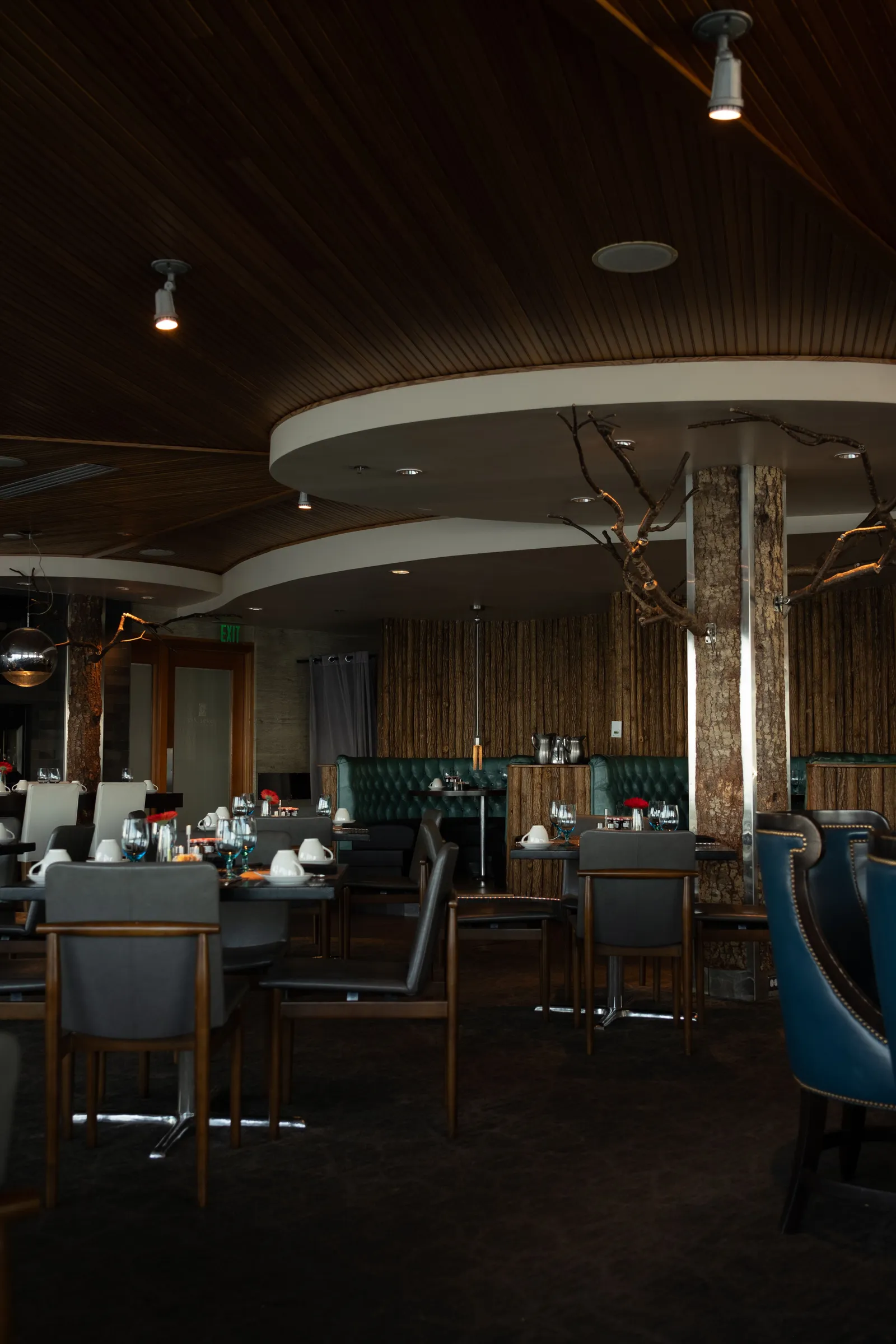
A table that is held and never used is a lost sale, and for a small restaurant with 30 seats a few no-shows on a Saturday can erase a night's profit. The cure is a mix of reminders, clear policy and, for some businesses, a deposit or card hold. This guide, last checked in October 2026, explains how to reduce no-shows and how to word the policy, with notes for Utah, Pennsylvania and Connecticut. It is general information, not legal advice. Ask an attorney how your state's consumer protection rules apply to a cancellation fee.
How big is the no-show problem?
It depends on the restaurant. Fine dining, tasting menus and large parties have higher stakes, since each empty table is a fixed cost. Casual restaurants with walk-in trade lose less. Track your own numbers for a month: how many reservations were made, how many arrived, how many canceled with notice and how many never arrived. A rate of a few percent may be manageable. A rate of 10 percent or more on a Saturday night deserves action. Look for patterns by day, party size and booking channel.
What are the simplest steps that work?
Reminders are the cheapest fix. Send a text or email confirmation when the booking is made, a reminder 24 to 48 hours before and a second reminder the morning of the visit, each with a one-click way to confirm or cancel. Make canceling as easy as booking, since a guest who can cancel in ten seconds will do so and free the table. Ask for a phone number and an email, and make sure the booking page works on a phone.
When should you ask for a card hold?
A card hold records a guest's card number, and charges only if they fail to show or cancel late. It signals that the booking is serious, without taking money up front. It suits busy nights, large parties and special menus. Tell guests plainly at the time of booking what will be charged, when, and how to cancel. Use a payment provider that stores card data securely so that your staff never write down numbers.
When does a deposit make sense?
A deposit is an up-front payment, often credited to the final check. It suits tasting menus, chef's tables, holiday dinners and large groups, where an empty table or a half-empty room is costly. Set the amount to cover your real loss, state whether it is refundable and until when, and explain how it is applied to the check. A deposit can reduce the number of bookings, so use it where the risk justifies it, and not for every table.
How should you word a cancellation policy?
Keep it short, specific and visible. State the notice period, such as 24 hours or 48 hours for large parties. State the fee, expressed as a fixed amount per person or as a share of the deposit. State what happens when a guest is late, and how long you hold the table. Show the policy on your website, in the booking confirmation and in the reminder. Avoid surprises: a fee that a guest has never seen is the one most likely to cause a dispute, a chargeback or a bad review.
What do the three states require?
Each state applies general consumer protection law to a cancellation fee, and a restaurant-specific rule is not something an owner should assume exists in either direction. That means clear disclosure, no unfair or deceptive practices, and handling of card data under payment network rules. Utah, Pennsylvania and Connecticut each have a consumer protection office, and a fee that is hidden or hard to understand can be challenged. Ask your attorney to check your policy and the wording of your confirmation. Keep a record of what each guest saw at booking.
How do you handle a dispute?
Respond quickly and politely. Review the booking, the policy the guest accepted and any message from them. If the guest had a real emergency, waiving the fee builds goodwill and costs less than a chargeback fight. If you decide to enforce the fee, send a short, friendly message with the policy attached. Keep records for the time the card network allows for disputes. Do not threaten a guest or post about the dispute in public.
What else reduces no-shows?
Confirm large parties by phone. Keep a waitlist so that a canceled table can be filled quickly. Overbook a little on peak nights if your history shows it works, with a plan for the day when everyone arrives, such as a bar seat and a free drink. Offer a small incentive for confirming. In ski towns and resort areas, expect weather to cause last-minute cancellations, and have a flexible policy for storms. Review your numbers each month and adjust.
Ski towns, national park gateways and shoreline resorts each add their own pattern. In Park City, a storm can close a canyon road and empty a room within an hour, so a weather clause that waives fees when roads close is fair and kind. In Springdale or Moab, a hot afternoon or a canceled flight can scatter a group. In shoreline Connecticut, a rainy Saturday in July sends diners to the movies. Write the exceptions in your policy, and let guests know that you will work with them. A policy that protects your business and treats real emergencies kindly is the one guests defend in their reviews.
More guides for your business:
- How to set up online ordering without the delivery apps (2026)
- How to run a waitlist for walk-in guests at a restaurant
- Food allergen practice for restaurants in North Carolina and Georgia
More in the US guides for food businesses.
Questions
Common questions
How can a restaurant reduce no-shows?
Send reminders, make canceling easy, use card holds for busy nights and deposits for high-risk bookings.
Is a cancellation fee legal in Utah, Pennsylvania and Connecticut?
General consumer protection law applies. Disclose the fee clearly and ask an attorney to review your wording.
What is the difference between a card hold and a deposit?
A hold records a card and charges only if the guest does not show or cancels late. A deposit is charged up front.
How much notice should I require?
Many restaurants ask for 24 hours, with 48 hours or more for large parties.
What if a guest disputes the charge?
Review the booking and the policy, respond politely and consider waiving the fee for a real emergency.
More like this
Read next
Is your restaurant menu accessible? PDF vs web page and an ADA checklist
Why a PDF or photo of your menu can fail blind and low-vision guests, what an accessible menu page looks like, and a practical checklist for a small restaurant website and online ordering page.
ADA website accessibility for restaurants: what to fix first
Restaurant websites are a common target for accessibility demand letters. What the ADA says about websites, what WCAG 2.1 AA asks for, and a practical checklist for your menu, booking page, online ordering and PDFs.
ADA website demand letters for New York restaurants: what to do
Why New York restaurants receive ADA website accessibility demand letters, what the standard is, what to do on receiving one and how to fix the most common problems. General information, checked October 2026.
Allergen and menu labeling rules for restaurants in five states
Massachusetts has a restaurant allergy law with a poster, a menu notice and a trained manager. New York City has sodium warnings for large chains. What the other states leave to local health departments, and a safe kitchen routine.
Put your menu, your replies and your photos in front of diners
Claim your free listing and decide how your business looks to the people searching for a good dish near them.
Free to list: your menu, replies and photos.