
For businesses
Credit card surcharge rules for restaurants in five states
Mosey · November 11, 2026 · 5 min read
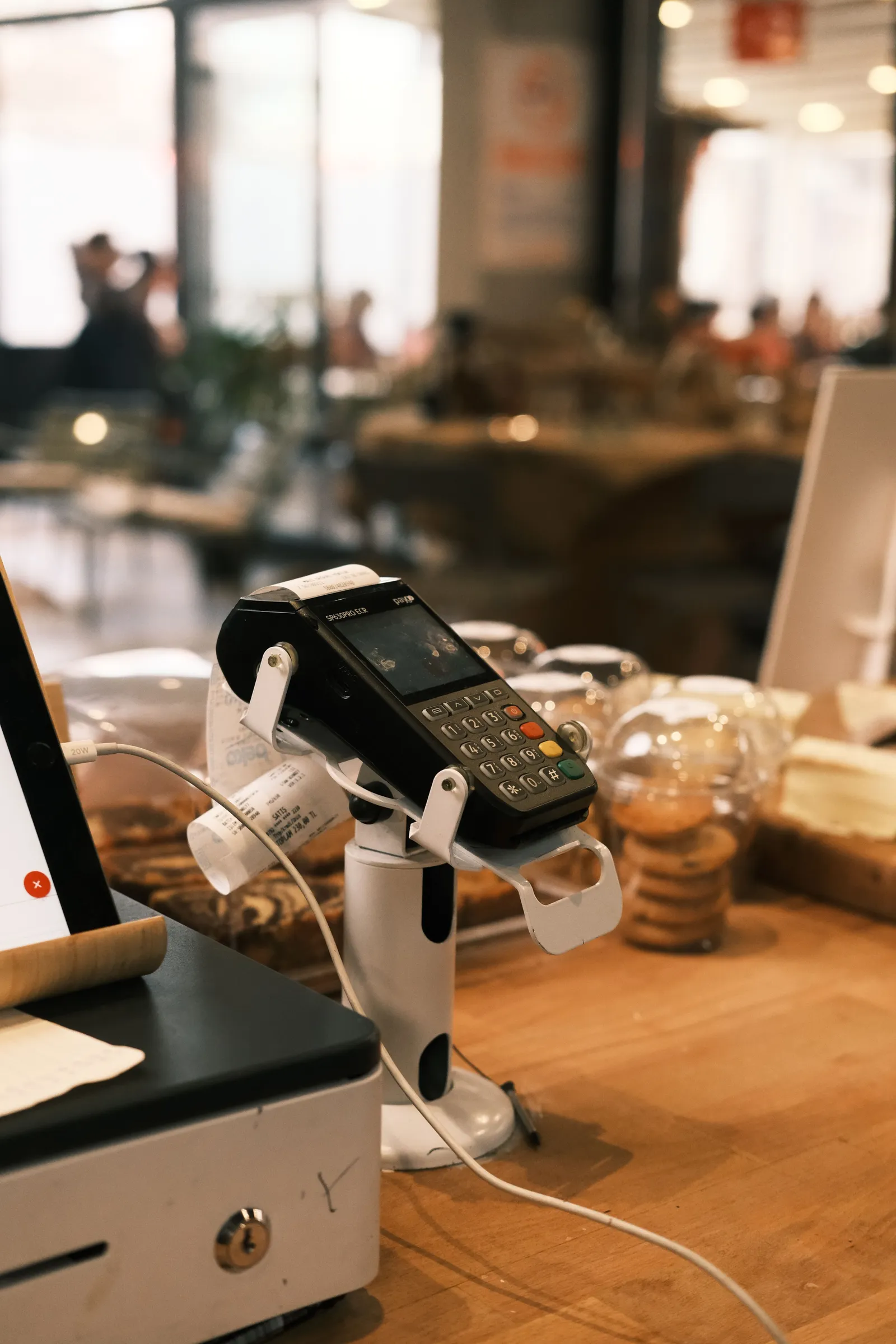
Card processing fees take a bite out of every check, and a surcharge, an extra line added when a customer pays by credit card, is one way some businesses recover it. Whether you can do it depends on the state where you operate, the card networks and how clearly you tell the customer. Treat this as a map of what to check, not a ruling.
What is a credit card surcharge?
A surcharge is an additional fee a business adds when a customer pays by credit card. It is different from a cash discount, which is a lower price for paying with cash, and from a service charge, which is a fee for a service. There is no federal ban on surcharging credit cards. Card networks have their own rules, including caps on the amount, notice requirements and limits to credit cards, and your processing agreement may incorporate them.
Where are surcharges prohibited or restricted?
According to several 2026 vendor guides, Massachusetts is among the states that bar credit card surcharges, along with a small number of others. If you operate in Massachusetts, assume you cannot add a card surcharge. Rules may have changed, so check with the attorney general's office.
New York changed its rule. Under General Business Law section 518 as changed on February 11, 2024, a business that adds a surcharge for credit cards must clearly and conspicuously post the highest total price including the surcharge, and the surcharge may not exceed what the card company charges the business, according to the Erie County consumer protection office, which also reports fines of up to 500 dollars per violation. The Department of State hosts guidance for businesses, so read it before you act.
What about Oregon, Arizona and New Hampshire?
Vendor guides list all three states as permitting surcharges. Arizona is described as having no state-specific ban or cap beyond card network rules, and New Hampshire as allowing surcharges with notice, for example by a sign at the register or a note on the website. For Oregon, one guide says surcharges are not prohibited and points to the attorney general as a resource. These guides are marketing pieces from payment companies, not the statutes, so confirm with the state before you proceed.
What do the card networks require?
Even where the state allows a surcharge, the card brands set conditions. The networks cap the surcharge, and vendor guides give different percentages for each brand. A large 2026 settlement between merchants and Visa and Mastercard may change the rules, and sources disagree on its status, so read the current figure from each network and from your processor rather than from a blog. You must notify your processor and the card brands before you start. Surcharges apply to credit cards only, not debit or prepaid cards that act like debit. The notice has to be clear. Your processing contract may also restrict or require specific steps, so read it and call your processor.
How should you disclose a surcharge?
Clear disclosure is essential in every state, and it protects you from complaints:
- At the entrance or on the menu, with a sign that says a surcharge applies to credit card payments.
- At the register or on the payment screen, before the customer commits.
- On the receipt, as a separate line with the amount.
- On your website and online ordering page, if the fee applies there.
- Keep the amount in line with your actual cost, and never above the cap that applies.
Train staff to explain it politely. A surcharge introduced without warning is a common reason for complaints and negative reviews. Decide in advance what staff say when a guest objects, such as offering to take cash or a debit card instead, and write it in your training notes so every shift answers the same way.
What are the alternatives?
If a surcharge is not allowed or not worth the friction, you have other options:
- A cash discount, offering a lower price for cash. Rules for how to present it differ, so check the state.
- Built-in pricing, raising menu prices slightly to absorb fees.
- Minimum card amounts, where permitted, for small purchases.
- Negotiating your processing rates, or switching to a processor with a flat or interchange-plus pricing model.
- Encouraging debit and bank payments, which cost less.
Compare your effective rate, meaning total fees divided by total card sales, across processors. Many small restaurants pay more than they need to. Ask each processor for a statement analysis, which breaks out interchange, network and processor fees, and ask whether the quote includes monthly and terminal fees. A restaurant with a high share of large checks and a low share of small ones often benefits from a different pricing model than a coffee shop does.
What about online ordering and delivery?
If you take orders online, the surcharge rules apply there too, and the fee must be shown before the customer pays. Third-party platforms set their own fees, and you cannot usually add a surcharge on top of those. Check your agreement.
What about tips on cards?
A surcharge should not be calculated on the tip. Check how your processor and point of sale treat tips, and make sure staff receive tips in full. In Massachusetts and other states with strict tip laws, deducting card processing costs from tips needs legal advice first.
What should you do now?
Find your effective card rate. Check your state's rule and your processing agreement. If a surcharge is allowed, post clear notices and test the receipt. If it is not, try another approach. This guide is general information, not legal advice, and several of its sources were commercial blogs.
More guides for your business:
- Delivery fee caps in Massachusetts and New York City: what applies to you
- Restaurant gift card laws in five states: what your business must follow
- How to fill slow weeknights at your restaurant
More in the US guides for food businesses.
Questions
Common questions
Can a Massachusetts restaurant add a credit card surcharge?
Several sources say Massachusetts bars credit card surcharges. Confirm with the attorney general.
Are surcharges allowed in New York?
Yes, under General Business Law section 518 as changed on February 11, 2024, with the highest total price posted and a cap at the card company's charge to you. Read the statute and the Department of State guidance.
Are surcharges allowed in Oregon, Arizona and New Hampshire?
Vendor guides list them as permitting surcharges, but they are not the statutes. Confirm with each state.
Can I surcharge debit cards?
Guides describe the surcharge right as limited to credit cards. Ask your processor.
How much can I charge?
New York caps it at the card company's charge to you, and card networks set their own ceilings, which a 2026 settlement may change. Confirm with your processor.
What is the difference between a surcharge and a cash discount?
A surcharge adds a fee for credit cards. A cash discount lowers the price for paying with cash. State rules on each differ.
More like this
Read next
Is your restaurant menu accessible? PDF vs web page and an ADA checklist
Why a PDF or photo of your menu can fail blind and low-vision guests, what an accessible menu page looks like, and a practical checklist for a small restaurant website and online ordering page.
ADA website accessibility for restaurants: what to fix first
Restaurant websites are a common target for accessibility demand letters. What the ADA says about websites, what WCAG 2.1 AA asks for, and a practical checklist for your menu, booking page, online ordering and PDFs.
ADA website demand letters for New York restaurants: what to do
Why New York restaurants receive ADA website accessibility demand letters, what the standard is, what to do on receiving one and how to fix the most common problems. General information, checked October 2026.
Allergen and menu labeling rules for restaurants in five states
Massachusetts has a restaurant allergy law with a poster, a menu notice and a trained manager. New York City has sodium warnings for large chains. What the other states leave to local health departments, and a safe kitchen routine.
Put your menu, your replies and your photos in front of diners
Claim your free listing and decide how your business looks to the people searching for a good dish near them.
Free to list: your menu, replies and photos.