
For businesses
Delivery fee caps in Massachusetts and New York City: what applies to you
Mosey · November 11, 2026 · 5 min read
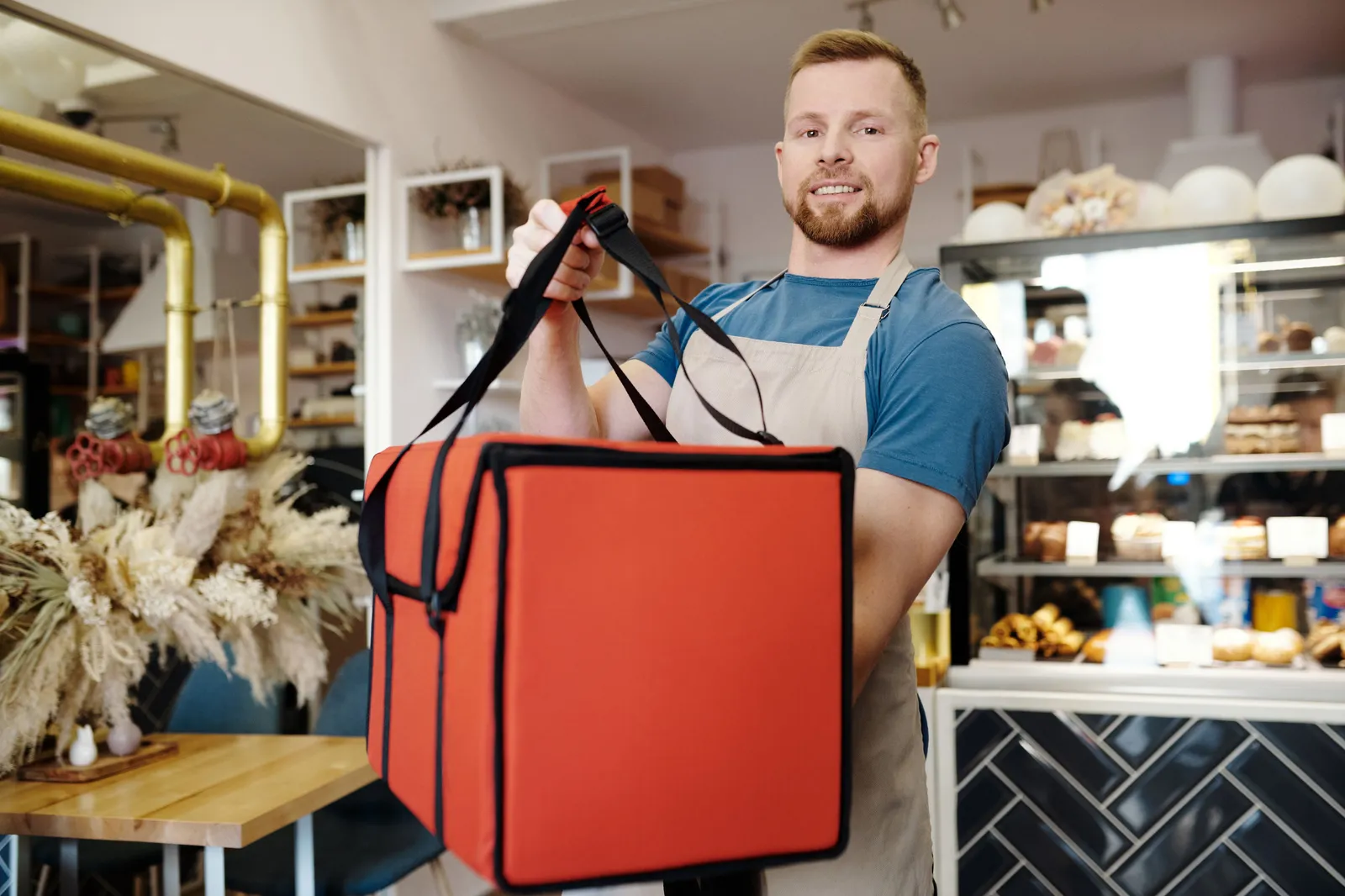
Delivery apps take a large share of every order, and two places in the Northeast have tried to limit it by law. New York City has a standing cap, which the Council rewrote in 2025. Massachusetts passed a temporary cap during the COVID-19 emergency, and the attorney general took action against a platform for exceeding it. Whether a cap protects your business depends on where you are, how many locations you have and what you signed.
What did Massachusetts do?
During the COVID-19 state of emergency, the legislature enacted a temporary limit on the commission that delivery platforms could charge restaurants. It lasted only as long as the emergency, and the attorney general later pursued Grubhub for charging above the limit, announcing a settlement in 2024. Cities including Cambridge, Boston and Newton had considered caps of their own while it lasted.
No search result showed a Massachusetts cap in force today, so assume there is none unless you can find a current statute or city ordinance, and check the attorney general's website and your city before you sign. Massachusetts's junk fee rule, 940 CMR 38.00, in effect since September 2, 2025, is a separate matter: according to the attorney general, delivery platforms must show the maximum mandatory fee, so read it if you sell through an app.
What does New York City cap?
In 2025 the City Council passed Int. 762-B, which the Council's records list as enacted, and which changed the structure of the city's permanent caps. Summaries of the new law describe a cap of 15 percent on delivery services, 5 percent on basic marketing and platform services, and 3 percent on payment processing. They also describe an optional further tier of up to 20 percent for enhanced services, available only if the app also offers a basic service at or below 5 percent. Restaurant Business reported that the new structure lets apps charge up to 43 percent of an order in total. These are summaries of the law, so read the local law itself and your contract before you rely on any figure, and do not opt in to anything by accident. Our guide to delivery app commissions explains how to work out your real cost.
What is and is not capped?
The headline cap covers the basic commission for delivery. It does not necessarily cover everything a platform might charge. Items to check in your agreement:
- Marketing and advertising, including sponsored listings and promotions you fund.
- Premium placement tiers, which may sit outside the cap if you choose them.
- Processing fees, which may be capped separately.
- Refunds and missing items, which the platform may pass to you.
- Pickup orders, which may be priced differently from delivery.
- Extra services, such as the platform's own delivery drivers versus your drivers.
A cap on commission does not stop a platform from offering you a menu of paid extras. Read the order summary for each plan as a separate cost.
Does a cap apply to your agreement?
Ask these questions:
- Which city or state is the restaurant in, and does that place have a cap in force?
- How many locations does the business have? Some caps depend on the size of the restaurant business.
- Does the agreement say which services are included in the capped fee?
- Did you opt in to an enhanced plan, and what does it cost?
- Does the agreement say how long it lasts, and how it can be changed?
If you are not sure, ask the platform in writing which fee applies, and keep the reply. If the platform charges more than a cap allows, complain to the city or state, since the Massachusetts attorney general took exactly that step against a platform and announced a settlement in 2024.
How do you work out your real cost per order?
Take a typical order from your own sales report. Multiply its value by each commission rate in your agreement. Add the card processing charge, any promotion you funded, and any refund. Then subtract your food, packaging and labor. A simple spreadsheet with five or six recent orders shows whether the platform makes money for you. Repeat it for each plan, because a lower rate with less visibility may bring fewer orders.
What can you do besides rely on a cap?
A cap helps, but it does not make delivery apps free. The most durable approach is to move regulars to your own ordering channel. A website or app link on your menu, a QR code on the bag, a small incentive for ordering direct and a fast pickup process all help. Keep the apps for discovery. See our guide to online ordering for how to start with pickup only.
What about price differences between channels?
Many restaurants charge more on the app than on their own site, to cover the commission. Check your platform agreement before you do this, since some contracts restrict price differences. A modest gap, with direct ordering cheaper, is easier to defend than a large one.
What should you do now?
Read your current agreement, list every fee, and calculate the total as a percentage of a typical order. Check whether a cap applies in your city. Watch for changes: laws on delivery fees have moved quickly in the last few years, with new bills in several states. Ask your trade association to keep you updated. This guide is general information, not legal advice.
More guides for your business:
- Restaurant gift card laws in five states: what your business must follow
- How to fill slow weeknights at your restaurant
- How to get more restaurant reviews honestly under the FTC rule
More in the US guides for food businesses.
Questions
Common questions
Does Massachusetts cap delivery app fees today?
A temporary cap applied during the COVID-19 emergency. No cap in force today was found, so check with the attorney general and your city.
What does New York City cap?
Summaries of the 2025 law (Int. 762-B) describe 15 percent for delivery, 5 percent for basic marketing and platform services, 3 percent for payment processing and an optional tier of up to 20 percent for enhanced services. Read the law and your contract.
Can a platform charge extra for marketing above the cap?
Often yes, if you choose those services. Read your agreement carefully and do not opt in by accident.
Did the Massachusetts attorney general act on the cap?
Yes. The attorney general pursued Grubhub for charging above the limit and announced a settlement in 2024.
Should I leave the delivery apps?
Usually not. Use them for discovery and move regulars to your own ordering.
How do I check my real cost per order?
List every fee on a sample of recent orders, add refunds and promotions, and compare the total with the order value.
More like this
Read next
Is your restaurant menu accessible? PDF vs web page and an ADA checklist
Why a PDF or photo of your menu can fail blind and low-vision guests, what an accessible menu page looks like, and a practical checklist for a small restaurant website and online ordering page.
ADA website accessibility for restaurants: what to fix first
Restaurant websites are a common target for accessibility demand letters. What the ADA says about websites, what WCAG 2.1 AA asks for, and a practical checklist for your menu, booking page, online ordering and PDFs.
ADA website demand letters for New York restaurants: what to do
Why New York restaurants receive ADA website accessibility demand letters, what the standard is, what to do on receiving one and how to fix the most common problems. General information, checked October 2026.
Allergen and menu labeling rules for restaurants in five states
Massachusetts has a restaurant allergy law with a poster, a menu notice and a trained manager. New York City has sodium warnings for large chains. What the other states leave to local health departments, and a safe kitchen routine.
Put your menu, your replies and your photos in front of diners
Claim your free listing and decide how your business looks to the people searching for a good dish near them.
Free to list: your menu, replies and photos.