
How to
Cheap Eats in Canada: Value Tags and the Six-Item Rule
Mosey · November 11, 2026 · 5 min read
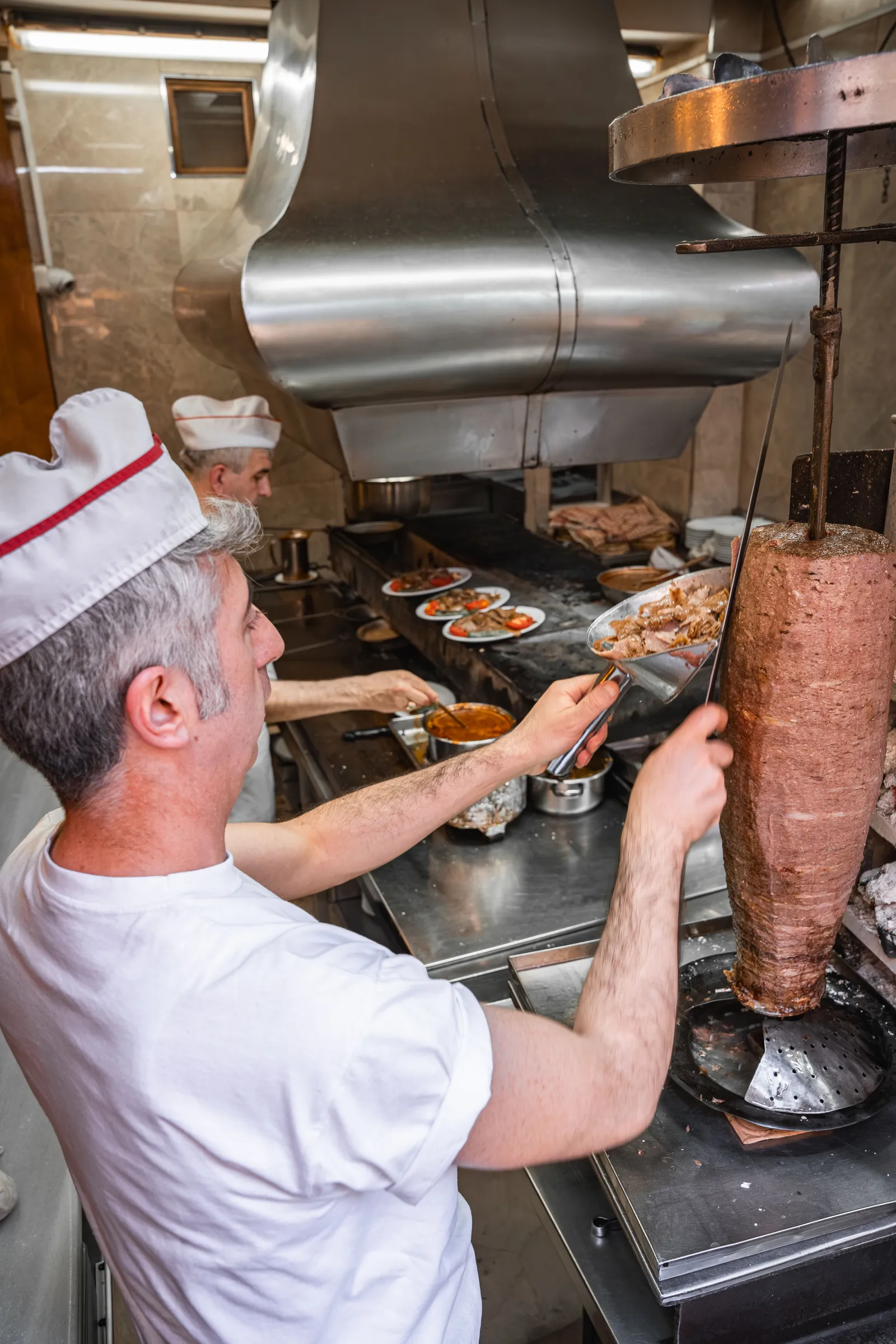
Cheap eats in Canada come with a footnote: tax. The tax on a restaurant meal is not the same as the tax on a box of doughnuts to take home, and the difference can change what a sweet treat costs you. Beyond that footnote, the real work is judging value, and three stored tags help you share it.
How do you think about cheap eats in Canada?
Value is what you get for what you spend, and the number on the menu is only half of it. In Canada the total at the till also carries tax, which differs by province, and many diners add a tip. A plate that looks inexpensive can end up ordinary, and one that looks dear can feed two for lunch the next day.
So think in whole meals: the dish, the size, the extras, the tax and the time. The best cheap eating is a habit of noticing, not a trick.
What is the bakery six donut rule?
It is the name people give to a feature of the federal sales tax on sweet baked goods. The Canada Revenue Agency's policy for eating establishments says that restaurants and drive-in restaurants charge GST/HST on their food and beverage sales, with some exceptions, and that one exception is sweetened baked goods sold as six or more single servings (a single serving is under 230 grams), which can stay zero-rated. The idea is that a half-dozen bought to carry home is grocery shopping, not a restaurant meal.
In everyday terms, one doughnut at the counter and six doughnuts in a box can be taxed differently. The same page says the policy may not reflect later changes in the law, and the details have conditions, so treat this as a reason to ask rather than a rule to plan around. At a place where 90 percent or more of sales are taxable, which covers most restaurants and cafés, sweetened baked goods are zero-rated only when they are pre-packaged in quantities over five and not eaten on the premises. A bakery counter can tell you how a purchase will be treated.
Why is GST on restaurant meals charged at the till?
The CRA's page lists restaurants among eating establishments, and when substantially all of an establishment's food and beverage sales are taxable it collects GST/HST on all of them, with certain exceptions. That is why a coffee and a sandwich at the counter carry tax.
The rate depends on where you are, so a menu price is a starting point. If you are comparing two places in different provinces, compare the final total, not the menu. Our guide to GST, PST and HST on restaurant bills covers the detail.
What do good value restaurants look like in Canada?
Patterns repeat across the country. Many good value restaurants run a short menu, serve lunch plates or combinations, and build meals on filling staples such as rice, noodles, potatoes, bread and soup. A weekday lunch special is a common way to try a place without a big commitment. Dishes meant for sharing stretch a table's order, and a heavy winter plate can double as tomorrow's lunch.
Be careful with extras. Drinks, sides and sauces can change a bill more than the main does, and a brunch menu with fresh juice can add up. Look at the whole table, not one plate.
What do the Good Portions and Great Value tags mean?
On Mosey, a rater can add the stored tags Good Portions, Great Value and Quick Service to a rating, and a diner can look for them in the Find sheet. Good Portions is about size. Great Value is a feeling that the meal was fair. Quick Service is about speed. All three are one diner's note after one visit, and none states a price.
Use the tag only when it is true for you, and explain why in your note. "The soup and bun kept me going until evening" helps. A figure does not, since menus change.
How do you rate a meal for value?
Rate the dish you ate, dish by dish if you like, and say whether the size, the taste and the welcome matched what you paid. A dish can be good value and ordinary, or special and not a bargain, and the note is where you say which.
Tag the friends who ate with you, and they can add their own rating of the same meal. That gives the next reader two views of one lunch.
How do you share cheap eats with friends?
Make a list with a plain name, such as Good value near campus, and add a note for each place: what to order, when to go, whether to share. You choose who sees it, and friends you invite can add places. Follow the people whose taste suits you and their ratings and saves come to you.
The lists page shows how it works.
Why does a local rating matter?
Mosey is free for a place to list, has no hidden fees and offers affordable tools, so a small bakery or lunch counter keeps more of what it earns. Your rating points other people at a neighbour's kitchen. To go further, read how to start a food list for your province, how much to tip in Canada and the wider Canadian food guides.
Two more guides cover related questions: gluten-free restaurants in Canada and vegan restaurants in Canada.
After your next good value lunch, rate the dish in the Mosey app, add the tag that fits and put the place in a list for friends.
Questions
Common questions
What is the six donut rule in Canada?
The name is a popular label for the way GST/HST treats sweet baked goods. The Canada Revenue Agency says sweetened baked goods sold as six or more single servings can stay zero-rated even where an eating establishment charges tax on other food. Conditions apply, so ask the bakery how a purchase is taxed.
Is restaurant food taxed in Canada?
Generally yes. The Canada Revenue Agency lists restaurants among eating establishments, which collect GST/HST on food and beverage sales, with certain exceptions. The rate depends on the province, so compare the final total rather than the menu price when you weigh two places.
Does the Great Value tag tell me prices?
No. The tag is a diner's note that a meal felt fair for what they got, and it carries no figures. Menus and taxes change, so read the note beside the tag and check the menu yourself before you go.
How can I find a cheap lunch without a long wait?
Look for the Quick Service tag as a lead, then ask the place about wait times at the hour you plan to go. A tag records one visit, so lunch-hour queues can differ. Weekday specials and counter service often move faster than table service.
What is an easy way to keep track of good value meals?
Mosey is a food app where you rate each dish, keep lists of the places you like and share them with friends. Add Good Portions, Great Value or Quick Service where they fit, and follow friends to see what they rate. Tags are diners' notes, not price claims.
More like this
Read next
Accessible Dining in Kingston and Dog-Friendly Patios
Accessible dining in Kingston means asking first: steps in old stone buildings, patio rules for dogs, the tags that point the way and a list of what you learn.
Accessible Restaurants in Canada: AODA and How to Ask
Accessible restaurants in Canada: what Ontario's AODA asks of restaurants, why the Accessible Canada Act mostly does not apply, and what to ask a place.
Ordering delivery in BC: what the fee cap covers, what you still pay and how to save
British Columbia caps what delivery apps can charge restaurants, but not every fee on your bill. What the law covers, where your money goes and how to order in a way that helps the restaurant.
BC liquor rules for diners: bringing your own wine, ID, PST on drinks and what is on the bill
Drinking at a restaurant in British Columbia comes with a few rules that surprise visitors: the age, corkage, who can serve you and the extra tax on alcohol. What to expect and what to ask.
