
How to
Accessible Restaurants in Canada: AODA and How to Ask
Mosey · November 11, 2026 · 5 min read
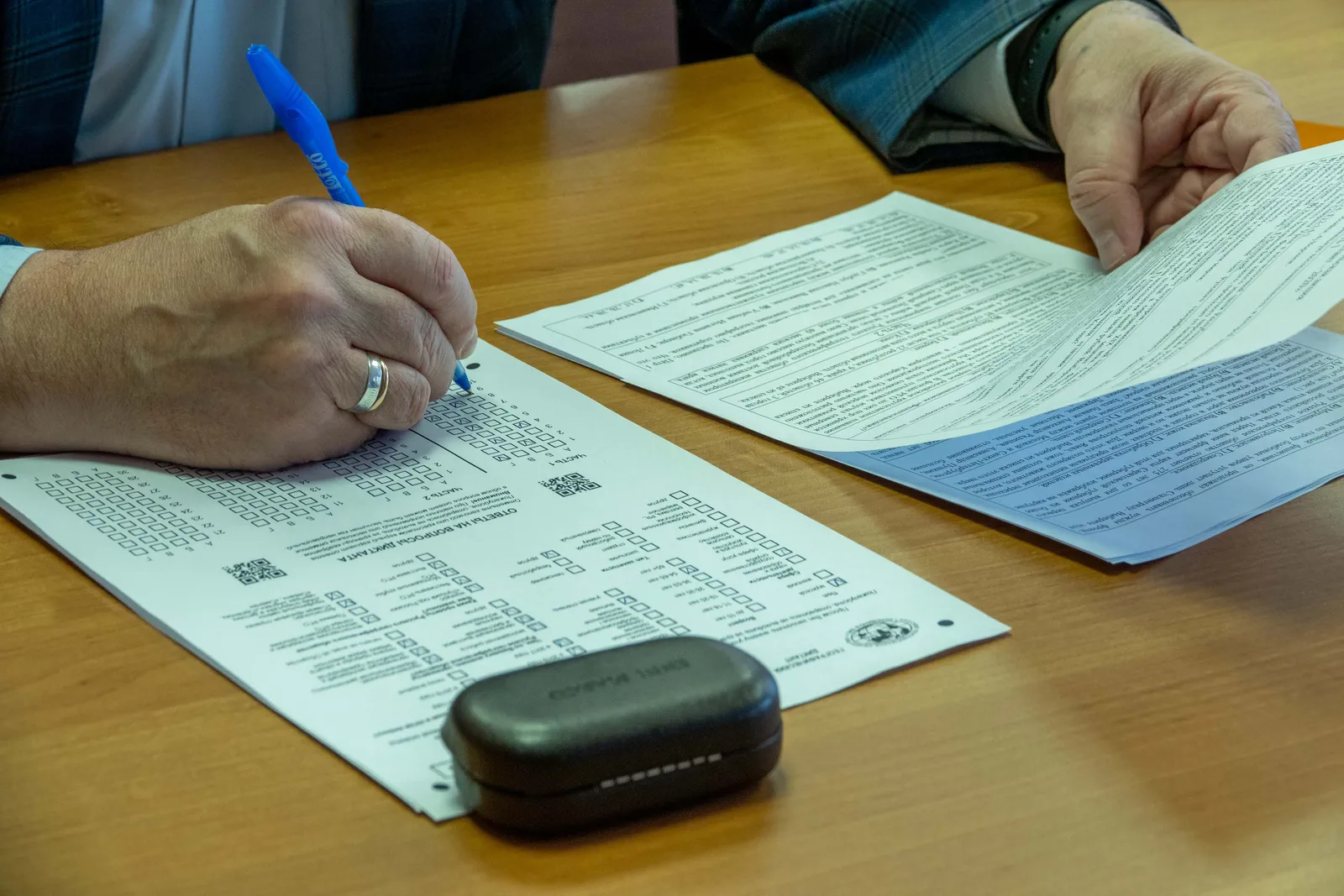
Accessible restaurants in Canada are governed mostly by provincial law, so the rules you can count on change as you cross a border. Ontario has the most developed set, the Accessibility for Ontarians with Disabilities Act, and its customer service duties reach restaurants. No law tells you whether tonight's entrance is clear, so the question to the place always comes last.
Which laws cover accessible restaurants in Canada?
A restaurant is a provincially regulated business, which puts it under provincial accessibility and human rights law rather than federal accessibility law. That is why the same question can have different answers in Ontario, British Columbia and Nova Scotia. A restaurant also sits in a building, and building codes and municipal bylaws shape ramps, doors and washrooms.
For a diner the useful summary is this: expect a duty to serve people with disabilities, expect more detail in some provinces than others, and expect the physical reality of an older building to vary a great deal. The law sets the floor. A phone call tells you what is on the floor.
What do the AODA customer service rules say?
Ontario's page for businesses states that the AODA applies to private businesses and organizations, and its examples include restaurants. Regardless of size, a business must provide customer service to people with disabilities so they can reach its goods, services and facilities.
The page lists the parts a diner meets. Assistive devices are allowed, such as wheelchairs, scooters and walkers. Service animals and support persons are welcome. Notice must be given of temporary disruptions. Larger employers carry more duties, such as written policies, training records and compliance reports, but the customer service duties apply to all sizes.
Those four parts are practical. You may bring your own device to the table. A friend or aide may come with you as a support person. And if the lift is out of order or the accessible entrance is closed for repairs, a notice should say so, which is a useful thing to look for on a door or a website.
How do the Accessible Canada Act and restaurants overlap?
Mostly not. The Accessible Canada Act applies to organizations under federal responsibility: federal departments and Crown corporations, federally regulated private sector bodies such as banks, broadcasting, telecommunications and the federal transportation network, and some others. A restaurant that is a provincially regulated business is not described as covered by it.
So if you read that Canada has a federal accessibility law, it is true, and it matters for travel and banking. It does not tell you whether the café near you has a step. Provincial law and the owner's own choices do.
How do support persons in restaurants work?
Ontario's list names support persons as a group a business must welcome. If you bring someone to help you, expect to sit together, and expect the same table rather than a separate one. If a place has a minimum spend or a set menu, ask in advance how it treats a support person, so you are not surprised.
What questions should you ask a restaurant before you go?
Use the same short list each time.
- Is the main entrance step-free, and how wide is the door?
- Is there a clear path to a table where I can sit comfortably?
- Is the washroom on the same level, and can I use it?
- Is there a notice of any temporary disruption, such as a lift out of order?
- Is the patio level with the sidewalk, and is there cover in bad weather?
- Where is the nearest accessible parking or drop-off?
Ask about the day and the hour you plan to arrive. Winter changes everything: snowbanks block ramps, and salt on a floor changes how a chair moves. If you need a service animal at the table, Ontario's accessibility standards welcome it.
What does the Wheelchair accessible tag mean?
On Mosey, a rater can add the stored tag Wheelchair accessible to a rating, and a diner can look for it in the Find sheet. It is one person's note after one visit, never a statement that a place has been checked, and never a promise about your own situation. Always ask the place.
If you add the tag, back it up in your note with what you saw: a ramp at the side door, a table with space beneath, a washroom on the main floor. Say honestly what you did not look at. A specific note helps far more than the tag, and it keeps the tag honest.
How can a rating and a list help the next diner?
Rate the meal for what it was, dish by dish if you like, and put the access detail in the note. Keep it factual: the door that opened by button, the aisle that needed a turn, the staff who moved a table. Tag the friends who came along so they can add their own rating of the same meal.
Make a list of your own. Call it Places I got into without trouble, add a line under each, share it with friends and follow people who plan the way you do. The lists page explains how to share one.
Why does an honest rating help local places?
Mosey is free for a place to list, has no hidden fees and offers affordable tools, so a local restaurant keeps more of what it earns and can put it toward a ramp or a wider door. A clear note from a regular tells an owner what matters. For more, read how to start a food list for your province and how to find good food in a new city, or browse the Canadian food guides.
Before you choose a place, you might also read must-try dishes in Canada or cheap eats in Canada.
Once you have eaten somewhere that worked for you, rate it in the Mosey app, describe the entrance and the table in your own words and add it to a list for friends.
Questions
Common questions
Do Canadian restaurants have to be accessible?
Provincial law decides. In Ontario the AODA applies to restaurants and requires customer service to people with disabilities, including allowing assistive devices and welcoming service animals and support persons. Physical details such as steps and washrooms still vary, so ask the place about its entrance and tables.
Does the Accessible Canada Act cover restaurants?
Generally not. The Act applies to organizations under federal responsibility, such as federal departments, banks, broadcasters, telecommunications and the federal transportation network. A restaurant regulated by a province falls under provincial accessibility and human rights law instead.
What is a support person under the AODA?
Ontario lists support persons among the people a business must welcome, alongside service animals and assistive devices. A support person is someone who accompanies a person with a disability to help. Ask a restaurant ahead of time how it handles seating and any fees for the person who comes with you.
What should I ask before I go?
Ask whether the main entrance is step-free, how wide the door is, whether there is a clear path to a table you can use, whether the washroom is on the same level, and whether any lift or entrance is out of order. Mention the day and hour you plan to visit.
How can I remember the places that worked for me?
Mosey is a food app where friends rate dishes, track the places they like and share lists. Add the Wheelchair accessible tag only after you saw the entrance yourself, describe it in your note, keep places in a list shared with friends and follow them to see their ratings. A tag is a diner's note, not a promise.
More like this
Read next
Accessible Dining in Kingston and Dog-Friendly Patios
Accessible dining in Kingston means asking first: steps in old stone buildings, patio rules for dogs, the tags that point the way and a list of what you learn.
Ordering delivery in BC: what the fee cap covers, what you still pay and how to save
British Columbia caps what delivery apps can charge restaurants, but not every fee on your bill. What the law covers, where your money goes and how to order in a way that helps the restaurant.
BC liquor rules for diners: bringing your own wine, ID, PST on drinks and what is on the bill
Drinking at a restaurant in British Columbia comes with a few rules that surprise visitors: the age, corkage, who can serve you and the extra tax on alcohol. What to expect and what to ask.
Beamsville Bench Winery Lunch: A Food-First Guide
A Beamsville Bench winery lunch is about the food: how to judge a winery kitchen, plan the drive from Jordan, and rate the dishes rather than the pour.
