
How to
How to Start a Food List for Your Province
Mosey · November 11, 2026 · 4 min read
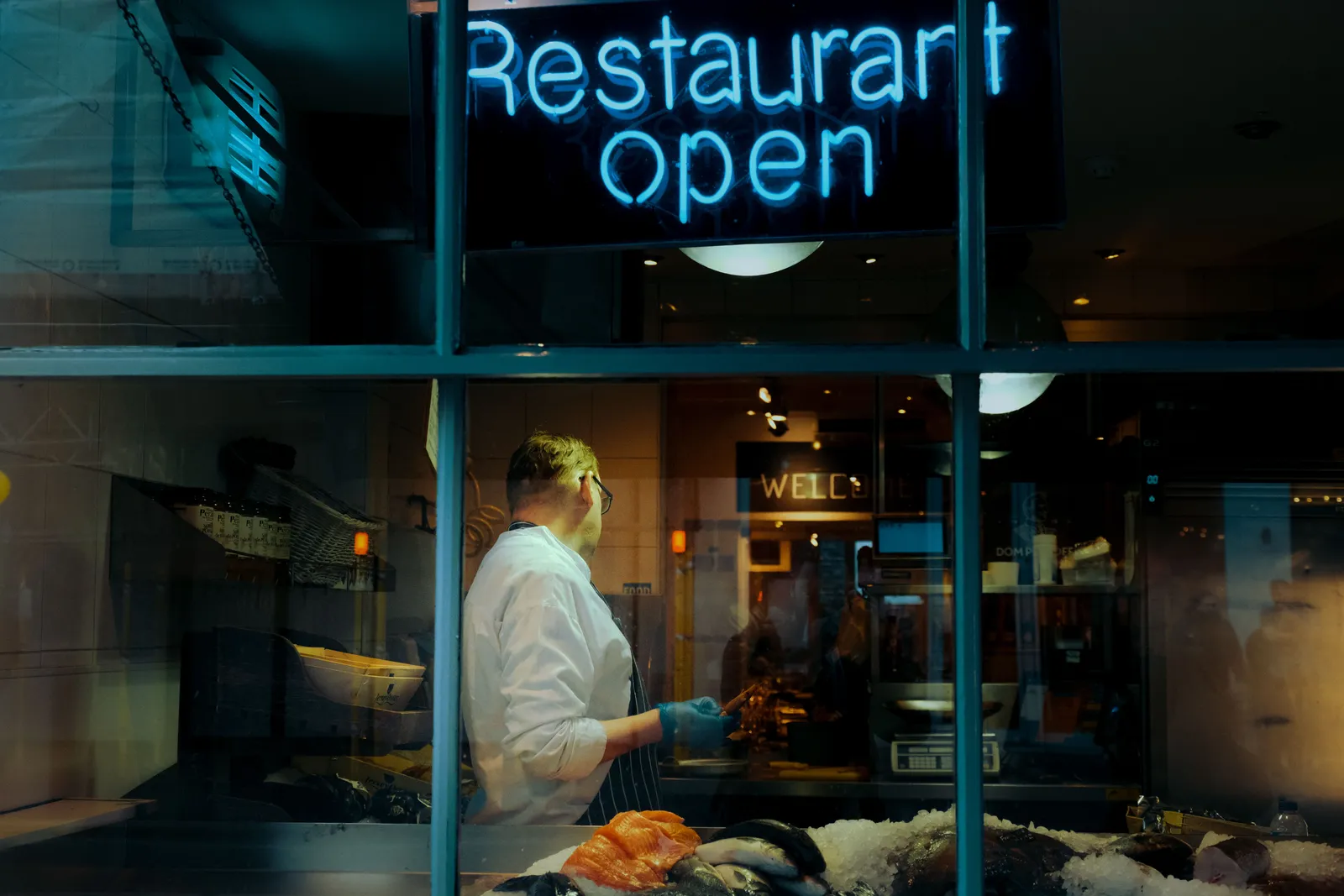
To start a food list for your province, split it into three to five regions, begin where you live and rate each place on three plain marks: the food, the welcome and the fairness of the bill. Canadian provinces are too big to eat across in a season, so begin small.
A territory or a small province may fit on one page, while a large one needs regions, so size the list to the ground you actually cover.
Look the list over twice a year, since distance and season change everything in Canada. A list that ignores the calendar sends a friend to a locked door.
Why bother with a provincial list?
Because the food worth knowing about rarely sits on the highway. It is behind a gas station, in a church hall or at the end of a gravel road, and the people who know about it have not written it down. A list turns local memory into something a visitor can use.
It also keeps a record. Kitchens change hands, menus shift and a bakery that was perfect in one decade is ordinary in the next. A list with dates shows you what has lasted.
How do you start a food list for your province on a big map?
Split the province into three to five regions, such as the north, the valley, the coast or the lakes. Give each region a handful of categories: a breakfast, a regional dish, a special dinner, a bakery or market. Three entries per category is enough. A province then holds thirty to fifty entries, a number you can keep current.
Start where you live. A walk or a drive along the main streets with a notebook beats a website for a first round, and a local paper or tourism page often names the long-standing places. Fill that region first, and move outward as you travel. Label every entry with its region, and the empty patches will tell you where to go next.
What marks help you rate local restaurants in Canada?
Three plain marks travel well: the food, the welcome and the fairness of the bill. The food is what lands on the plate. The welcome is how the room treated you, and whether it suited the meal. Fairness is whether you felt you got what you paid for.
Give each mark a plus, a minus or a shrug, and add a single sentence. Note the dish by name wherever you can. "Best fish and chips in the county" will help a friend more than "good restaurant." The Saskatchewan comfort food guide shows how a province's dishes can frame a road trip.
How do distance and season change the list?
In Canada, they change everything. Write the drive time from the nearest city beside each entry. Mark seasonal places with their months, because farm stands, sugar shacks and cottage-country kitchens close for winter. Flag the dishes tied to a short window, such as fiddleheads in spring or a fall harvest supper.
A list that ignores the calendar sends a friend to a locked door. Ferry schedules, highway closures and spring road bans on heavy loads can also change a trip, so note a warning beside any entry that depends on a boat or a gravel road. One that carries the months saves a wasted trip, and it teaches you how the province eats through the year.
How do you handle more than one language?
In Quebec, New Brunswick and pockets of Manitoba and Ontario, the best kitchen may post its menu in French. Copy the dish names as printed and add a short English note. Learn the words you will use at a counter: the soup of the day, the daily special and the bill.
Where a community cooks in another language, such as Ukrainian, Cantonese, Portuguese or Punjabi, add the dish name in that language as well. It makes ordering easier for the next person.
How do you share your favourite restaurants?
Pass them on with a reason. "Best butter tart in the county" or "the pierogi justify the highway" gives a friend something to act on. Send a short note before a trip, include the season and the best day to go, and swap lists with a friend from another province.
The Toronto fried chicken list method shows how to build a list around one dish, and the Canada guides hub shows how other regions are described.
How do you build a provincial food list that stays current?
Look it over twice a year. Strike out the closures, date each visit and keep a separate wish list for places you have not tried. Move a name across only after you have eaten there.
A territory or a small province may fit on one page. A large one needs a page per region. Either way, close with a line naming the single meal you would serve a guest who has just one day.
How this works in the app: Make a list.
When you are ready to begin, get the Mosey app, rate the dishes you know best and build a list for your province that a stranger could follow.
Questions
Common questions
Why start a provincial food list in Canada?
The food worth knowing about rarely sits on the highway, and a provincial list keeps a record of it. Starting small, with a region or a town, makes the list usable and keeps it current.
How do I start a food list for my province?
Split the province into three to five regions, such as the north, the valley, the coast or the lakes. Start where you live, add a few places you know well and grow outward.
What marks help me rate local restaurants in Canada?
Three plain marks travel well: the food, the welcome and the fairness of the bill. Give each mark a plus, a minus or a shrug, and add a single sentence.
How do I handle more than one language on a food list?
In Quebec, New Brunswick and pockets of Manitoba and Ontario, the best kitchen may post its menu in French. Where a community cooks in another language, add the dish name as written.
How can I share my provincial food list with friends in Canada?
Mosey is a food app for finding good places to eat, with ratings by the dish and lists you can share. For a Canadian province, build a list of regions and places, invite friends to add theirs, rate each dish and tag the region. Following friends shows what they rate.
More like this
Read next
Accessible Dining in Kingston and Dog-Friendly Patios
Accessible dining in Kingston means asking first: steps in old stone buildings, patio rules for dogs, the tags that point the way and a list of what you learn.
Accessible Restaurants in Canada: AODA and How to Ask
Accessible restaurants in Canada: what Ontario's AODA asks of restaurants, why the Accessible Canada Act mostly does not apply, and what to ask a place.
Ordering delivery in BC: what the fee cap covers, what you still pay and how to save
British Columbia caps what delivery apps can charge restaurants, but not every fee on your bill. What the law covers, where your money goes and how to order in a way that helps the restaurant.
BC liquor rules for diners: bringing your own wine, ID, PST on drinks and what is on the bill
Drinking at a restaurant in British Columbia comes with a few rules that surprise visitors: the age, corkage, who can serve you and the extra tax on alcohol. What to expect and what to ask.
