
How to
Gluten-Free Restaurants in Canada: The 20 ppm Position
Mosey · November 11, 2026 · 5 min read
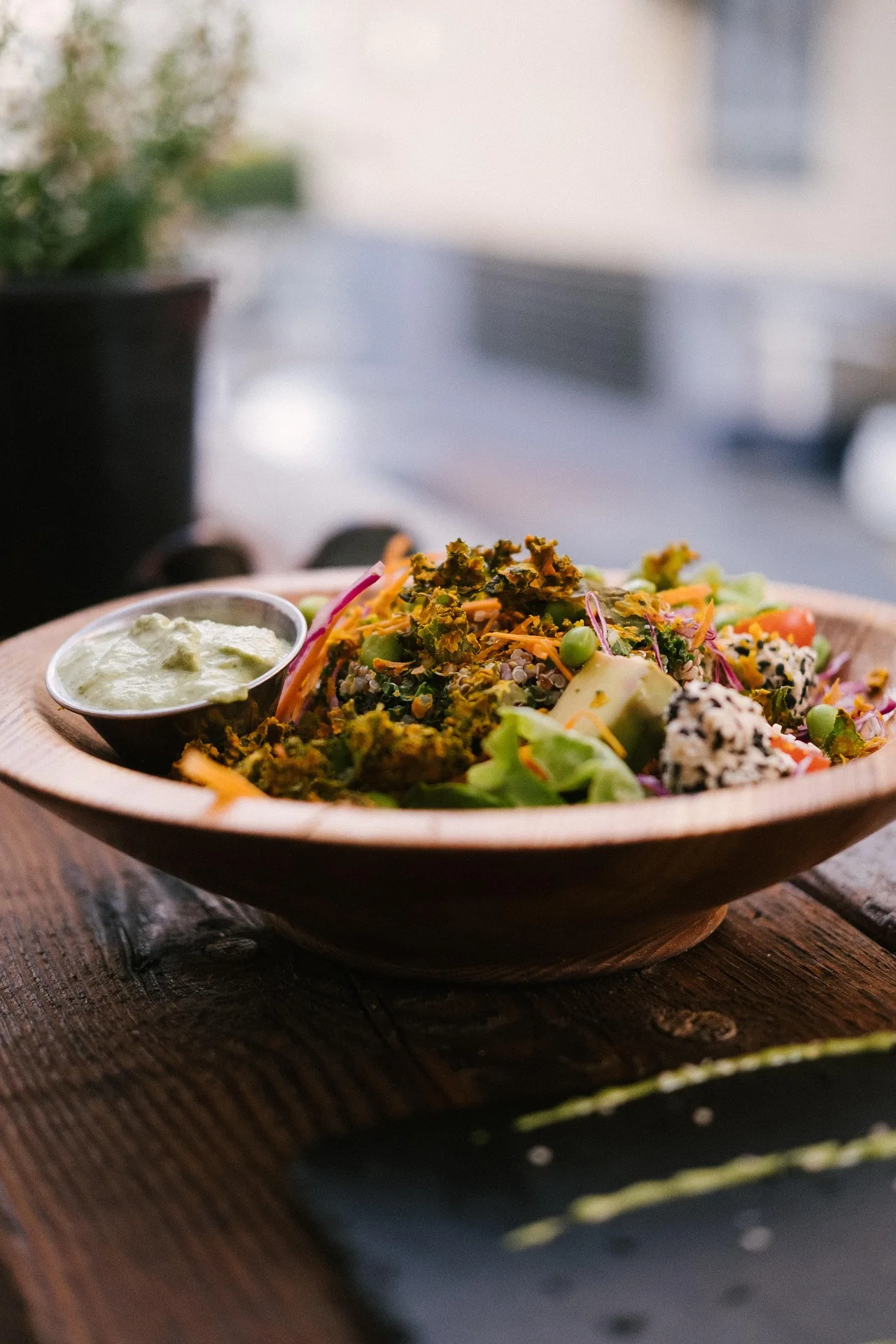
Gluten free restaurants in Canada work under a federal position that was written with food labels in mind. Health Canada accepts a gluten-free claim for food that contains no more than 20 parts per million of gluten and was prepared under good manufacturing practices. What that means for the plate in front of you depends on the kitchen, so you still have to ask.
How do gluten free restaurants in Canada define gluten-free?
There is no single menu definition you can rely on. The federal regulation that deals with gluten-free claims applies to food that is labelled, packaged, sold or advertised in a way that gives the impression it is gluten-free. Health Canada's position page does not spell out how that applies to a dish served in a restaurant, so a menu line is best read as the restaurant's own promise about its own kitchen.
That is why it helps to learn how the kitchen defines the term. A cook who can say which flour, which fryer and which surfaces are involved has a working definition. A cook who says "it should be fine" has not given you one.
What is the Health Canada gluten free position?
Health Canada states that gluten-free foods prepared under good manufacturing practices, which contain levels of gluten not exceeding 20 ppm, meet the intent of the regulation when a gluten-free claim is made. It points to the Codex standard, which also sets 20 ppm as the level a gluten-free labelled food shall not exceed.
Notice what is not in that sentence: a promise about any particular meal. The position is about foods that carry a claim, and a restaurant meal is cooked to order, handled by several people and served from shared equipment. It is a useful reference for a chef who wants a standard, and a reason for a diner to ask how the standard is met.
Is wheat a priority allergen in Canada?
Yes, as wheat and triticale. Health Canada's list of priority food allergens has eleven entries: eggs, milk, mustard, peanuts, crustaceans and molluscs, fish, sesame seeds, soy, sulphites, tree nuts, and wheat and triticale. Mustard and sulphites are on the Canadian list and not on the shorter American one.
The allergen list is about allergic reactions. Celiac disease and gluten sensitivity are separate conditions, and the list does not tell you everything you need to avoid. Your doctor or dietitian is the right person for that advice.
What helps with celiac disease when eating out?
Plan before you go. Read the menu, phone in a quiet hour, and ask for the cook or a manager. Name your need in a sentence, then ask your questions. Order the simplest plate that fits. A grilled piece of meat or fish with plain vegetables leaves less room for hidden flour than a sauce-heavy dish.
Be careful with items that hide flour: gravies, soups thickened with a roux, batters, breaded coatings, soy sauce in many dishes, and fried food cooked in shared oil. Ask about each one by name, and ask again at the table when the plate arrives.
Which cross-contamination questions matter most?
- Is there a dedicated fryer, or is the oil shared with breaded food?
- Are the grill, pans and boards cleaned or kept separate before my food is cooked?
- Do you use separate utensils and gloves for this order?
- Which sauces and dressings contain flour or soy sauce?
- Can I speak to the cook who is making it?
A specific answer tells you the kitchen understands the issue. A shrug tells you to choose something simpler or go somewhere else. You are allowed to leave a restaurant that cannot answer.
What does the Gluten-Free tag mean?
On Mosey, a rater can add the stored tag Gluten-Free to a rating, and a diner can look for it in the Find sheet. It is one diner's note after one visit. The Find sheet cannot filter places by allergen, so a tag is never a claim about a place, and it never replaces the questions above.
If you rate a place, use your note to say what happened: what you asked, who answered and how the plate arrived. That is what the next person with celiac disease needs. Gluten-Free is also one of the tags with a badge family, climbing from Sampler at five different places to Connoisseur, a record of your ratings and not a check on any kitchen.
How can a list and a rating help your friends?
Keep a list for the places where a kitchen listened, with a note under each: the dish, the person you spoke to, the hour you went. Share it with friends who eat the same way, follow them to see what they rate and save, and add your own ratings by the dish. The lists page explains how to build one together.
Why does one clear rating help local kitchens?
Mosey is free for a place to list, has no hidden fees and offers affordable tools, so a neighbourhood kitchen keeps more of what it earns and can afford separate equipment and training. A rating that credits a cook for listening shows other owners what matters. For related guides, read eating out with food allergies in Canada, how to find good food in a new city and the wider Canadian food guides.
Planning something different next time? Two related guides are vegan restaurants in Canada and halal food in Canada.
When a kitchen takes your question seriously, rate the dish in the Mosey app, add the Gluten-Free tag with a line on what they did and keep the place in a list for friends.
Questions
Common questions
What is the gluten-free limit in Canada?
Health Canada states that gluten-free foods prepared under good manufacturing practices, with gluten not exceeding 20 ppm, meet the intent of the regulation when a gluten-free claim is made. The page does not describe how this applies to restaurant dishes, so ask the kitchen how it handles the claim.
Is wheat a priority allergen in Canada?
Yes. Health Canada lists wheat and triticale among eleven priority food allergens, with eggs, milk, mustard, peanuts, crustaceans and molluscs, fish, sesame seeds, soy, sulphites and tree nuts. The list concerns allergies, and celiac disease is a separate condition to discuss with your doctor.
What should I ask a restaurant when I have celiac disease?
Ask about shared fryers, grills and pans, utensils and gloves, sauces thickened with flour or made with soy sauce, and whether the cook can speak to you. Name your need plainly and listen for a specific answer. If the reply is vague, choose something simpler or another place.
Does a Gluten-Free tag mean a place has been checked?
No. A rater added the tag after one visit, and the app only hides dishes where a place has listed an allergen, and never filters places. Use it to start a short list, then ask the kitchen yourself. A tag records one diner's experience and never states how a place cooks today.
How can I keep track of places that listened?
Mosey is a food app that helps you find places, rate dishes and keep lists to share with friends. Add the Gluten-Free tag with a note on what the kitchen did, share the list with others who eat this way and follow them to see their ratings. Tags are diners' notes.
More like this
Read next
Accessible Dining in Kingston and Dog-Friendly Patios
Accessible dining in Kingston means asking first: steps in old stone buildings, patio rules for dogs, the tags that point the way and a list of what you learn.
Accessible Restaurants in Canada: AODA and How to Ask
Accessible restaurants in Canada: what Ontario's AODA asks of restaurants, why the Accessible Canada Act mostly does not apply, and what to ask a place.
Ordering delivery in BC: what the fee cap covers, what you still pay and how to save
British Columbia caps what delivery apps can charge restaurants, but not every fee on your bill. What the law covers, where your money goes and how to order in a way that helps the restaurant.
BC liquor rules for diners: bringing your own wine, ID, PST on drinks and what is on the bill
Drinking at a restaurant in British Columbia comes with a few rules that surprise visitors: the age, corkage, who can serve you and the extra tax on alcohol. What to expect and what to ask.
