
For businesses
Interac debit and credit card costs for restaurants: reading your statement and choosing a processor
Mosey · November 11, 2026 · 5 min read
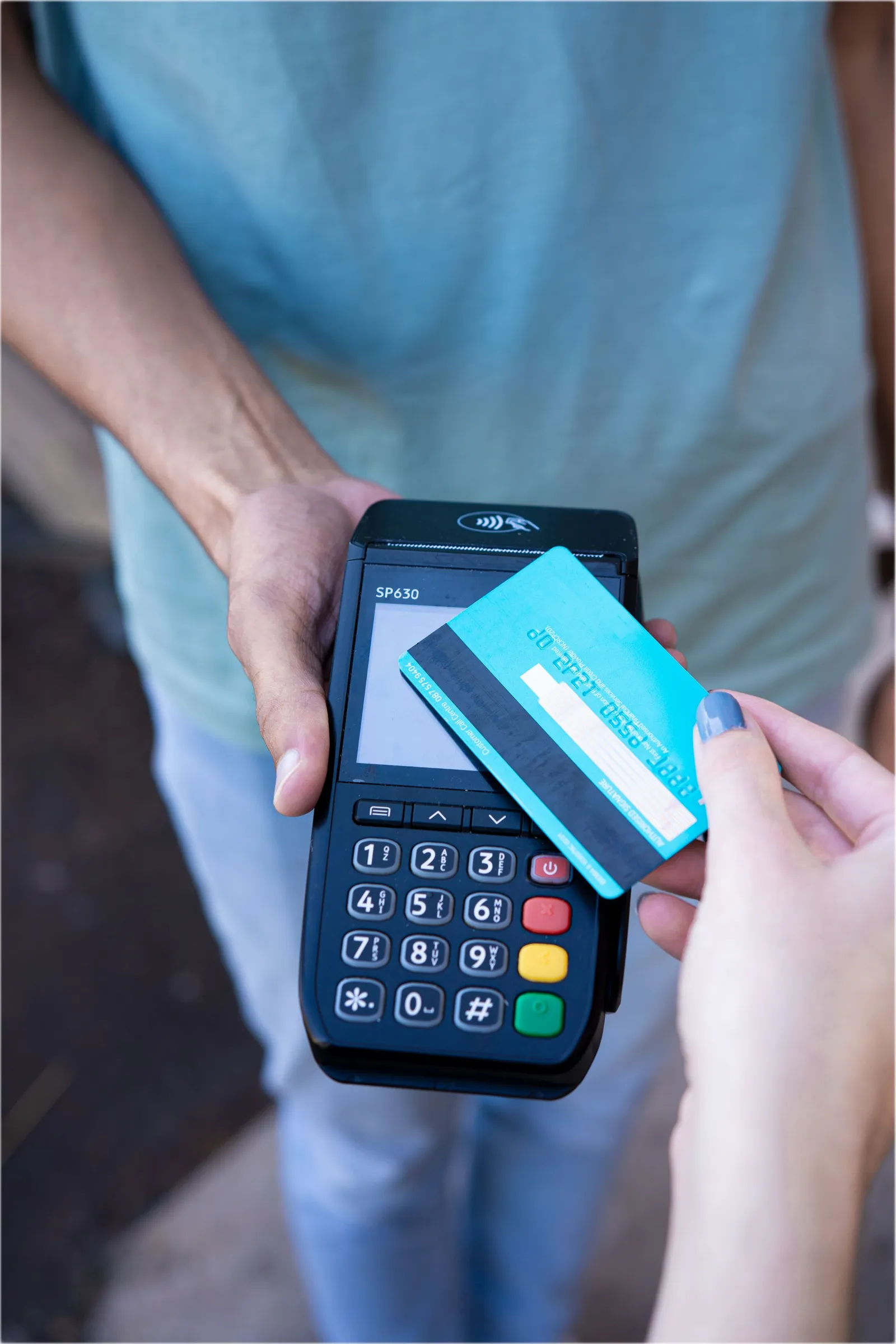
Payment costs are easy to ignore because they come out of the settlement before you see the money. For a restaurant with a thin margin, they are worth an afternoon every year. In Canada, the two card types you will handle most are Interac debit and credit cards, and they are priced in different ways. Your own statement is the real evidence.
How is Interac debit priced?
Interac debit charges are flat per-transaction fees, in fractions of a dollar, rather than a percentage of the sale. Interac publishes its fees on its website, and it has said its switch fee will rise on 1 November 2026. That switch fee is paid by the banks and processors, not by you directly, so what reaches you depends on your processor's contract and markup.
For a restaurant bill of fifty dollars, a flat per-transaction fee measured in cents is a small fraction of one percent. For a coffee at three dollars it is a bigger share, but still only cents.
How are credit cards priced?
As a percentage of the sale, plus a small per-transaction fee. Visa Canada committed to managing average domestic consumer credit interchange to 1.40 percent, and premium rewards and corporate cards sit above the average. Your processor then adds its markup. Some processors offer a flat rate for everything, which is simple but often higher than interchange-plus, where you pay the network's fee plus a stated markup.
Since October 2024, eligible small businesses have paid lower credit interchange in store. Finance Canada described the target as a weighted average of 0.95 percent, and Visa and Mastercard each set their own volume thresholds for who qualifies. Ask your processor whether you qualify and whether the saving reaches your statement.
The cost grows with the size of the bill, so a large group dinner on a premium card costs you more than the same bill on debit.
What does your statement show?
Look for these lines:
| Line | What it tells you |
|---|---|
| Gross sales by card type | The mix of debit and credit |
| Interchange | The card network fees, passed through |
| Processor markup | What your provider adds |
| Per-transaction fees | The flat amounts |
| Monthly and terminal fees | Fixed costs |
| Chargebacks | Disputed payments |
| Other | Early termination, PCI or statement fees |
Divide total fees by total card sales to find your effective rate. If it looks high, ask why, since your mix of debit and credit changes what is reasonable.
Why does the debit mix matter?
The more of your sales that are debit, the lower your costs. Many Canadians pay by debit, and tap-to-pay on debit costs far less than credit. Some owners put a small sign by the till that says debit preferred. Whether to nudge customers is a decision for your brand. Do not refuse credit cards, which would send diners away.
Watch your statement and your contract for changes to debit pricing, including any move from flat fees to a percentage.
What should you ask a processor?
- What is the interchange-plus markup, in percent and cents per transaction?
- Is the pricing the same for debit and credit?
- What are the monthly, terminal and compliance fees?
- What is the contract length and the early termination fee?
- How fast do funds arrive, and are weekends included?
- How are chargebacks handled and charged?
- Does the terminal support tip prompts, split bills and table-side payments?
- What does a surcharge setup look like, if I want one?
Get answers in writing. Quotes from a salesperson are not a contract.
How do you reduce costs?
- Ask your current processor to match a competitor's quote.
- Move to interchange-plus pricing if you are on a flat rate and your average ticket is small or your debit share is high.
- Review your statement every quarter.
- Reduce chargebacks with clear signs, itemized receipts and a tidy process for refunds.
- Encourage debit gently, or build the cost into prices.
What about tips on card payments?
Tips on cards are subject to processing fees too. Check how your processor treats the tip amount, and how you pay the staff, under the provincial tip rules. Keep records of tips paid out.
What about security?
Card data security is part of your contract. Use a modern terminal with chip and contactless support, keep the software updated and never write card numbers down. Ask your provider about its compliance requirements, and make sure staff know what to do if a terminal looks tampered with.
A yearly routine
Once a year, pull twelve months of statements, work out your effective rate, ask two competitors for quotes and decide whether to switch. It takes an afternoon and often saves a month's rent.
More guides for your business:
- Credit card surcharges for Canadian restaurants: the network rules, the cap and when to skip it
- Food truck licences in Toronto and Vancouver: city permits, health approval and insurance
- Selling gift cards at a restaurant: when GST/HST applies and how to record them
More in the Canadian guides for food businesses.
Questions
Common questions
How much does Interac debit cost a restaurant?
Interac debit uses flat per-transaction fees rather than a percentage, plus your processor's markup. Check your own statement.
How much does a credit card transaction cost?
A percentage of the sale. Visa Canada committed to managing average consumer credit interchange to 1.40 percent, with premium cards above it, plus your processor's markup.
What is interchange-plus pricing?
A structure where you pay the card network's interchange fee plus a stated markup, which is more transparent than a flat rate.
Can eligible small businesses pay less on credit cards?
Since October 2024 eligible small businesses have paid lower in-store credit interchange. Ask your processor whether you qualify.
Can I refuse credit cards to save fees?
You can choose which cards to accept, but refusing credit will lose sales. A sign that prefers debit is a gentler option.
How do I find my effective rate?
Divide your total card fees by your total card sales on your monthly statement.
More like this
Read next
The Accessible BC Act and your restaurant website: what applies today and what to do anyway
British Columbia's Accessible BC Act applies mainly to public bodies for now. What that means for a private restaurant, why website accessibility still matters and a practical checklist.
AODA website rules for Ontario restaurants: who must meet WCAG 2.0 AA and what to fix first
Ontario's accessibility law requires larger private employers to make public websites meet WCAG 2.0 Level AA. Who is covered, what counts as your website, and a practical fix list for a restaurant.
Are Canadians eating out less in 2026, and what brings them back?
Restaurants Canada reports that most Canadians are cutting back on restaurant visits. What the survey says, why table-service businesses have reason to hope, and what independents can do about it.
Selling alcohol with takeout and delivery in BC: what the regulation lets a food primary licence do
Food primary and liquor primary licensees in BC can deliver and sell liquor in unopened containers with a meal. What the Liquor Control and Licensing Regulation says, and the Serving It Right rule.
Put your menu, your replies and your photos in front of diners
Claim your free listing and decide how your business looks to the people searching for a good dish near them.
Free to list: your menu, replies and photos.