
For businesses
Are Canadians eating out less in 2026, and what brings them back?
Mosey · November 11, 2026 · 4 min read
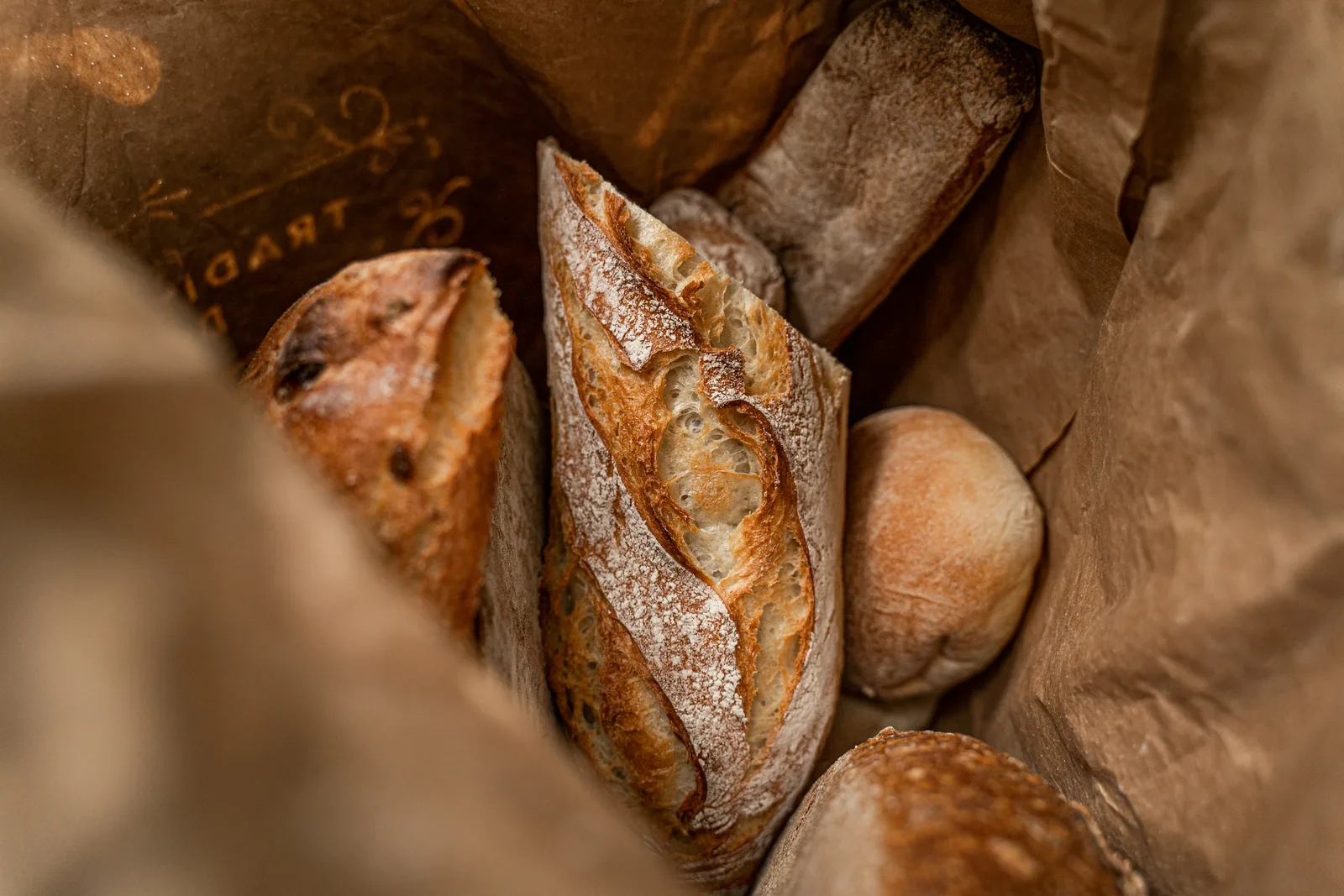
Walk through any busy street at a Tuesday dinner hour and you can feel it: fewer tables turning over. Restaurants Canada's 2026 research confirms that the pullback is real, and that it reaches households that were not worried about money a year ago. It also holds a hopeful detail for independent restaurants that serve a table.
What does the research say about Canadians eating out?
Restaurants Canada's Foodservice Facts 2026 report found that 80 percent of Canadians are eating out less because of higher living costs. A year earlier the figure was 75 percent. In the association's first-quarter 2026 report of operators, 54 percent said they were seeing fewer guests and 69 percent said customers were dining out less because of affordability. Both come from surveys, so they show perception and behaviour as people reported it, not a count of visits.
Is there good news for independent restaurants?
There is a signal in the same survey. Sixty-one percent of Canadians said they would visit a table-service restaurant more often if they had more disposable income, up from 53 percent the year before. People still want the experience. What has changed is how often they can afford it, and how carefully they choose.
What does a more careful diner look like?
Based on the survey and on what owners describe, a guest who is cutting back tends to:
- Go out less often, but plan the visit. They look at the menu in advance.
- Choose value that they can see. A set menu, a lunch special or a shared plate.
- Read recent reviews. A mediocre meal costs more now.
- Avoid add-ons. Dessert, a second drink and a side dish are the first things cut.
- Come back for a reason. A favourite dish, a loyalty reward or a seasonal event.
What brings guests back?
None of this is magic, and none of it needs a bigger budget.
- A dish people talk about. One signature plate that guests recommend does more for traffic than a long menu.
- A clear price. A price that matches the portion and the room. Hidden extras sour a visit.
- A reason to return in the next 30 days. A stamp card, a seasonal change, a monthly special.
- Quiet hours with a hook. A weekday lunch menu or an early-evening set menu that is priced for people who are watching their spending.
- A fast, friendly first minute. Greeting a guest within a minute of arrival is cheap and has a large effect on how the rest of the meal feels.
Where should you start this week?
Pick one quiet hour in your week and give it a name. A "Tuesday supper" or a "Thursday lunch set" is easier to talk about than a discount. Put it on your door, your Google Business Profile and your socials, and track covers for four weeks. If it works, keep it. If it does not, change one thing and try again.
How do you know whether it is working?
Count covers on the quiet hour before and after. Ask regulars how they heard about it. Track the average spend per table, because a busier room with a lower spend can look good and still lose money. A simple tally on paper is enough.
How should you talk about value without sounding cheap?
Guests who are cutting back are not asking for the lowest price. They are asking whether the visit is worth it. Say what they get: the size of the plate, the provenance of the fish, the fact that the bread is baked in the morning. Put one sentence of that on the menu next to the dish, not a paragraph. Train servers to recommend one dish with confidence rather than reading the specials in a rush. When guests feel guided, they spend with less second-guessing, and they remember the meal.
Are you tired of watching empty tables on a Tuesday?
You cannot control how much money your neighbours have in their pockets, but you can make your best dishes easier to find. Mosey is a food discovery app where diners search by dish and mood and rate what they ate, which helps a good plate travel by word of mouth. Nobody can pay to outrank you there, because Mosey Gold is earned from ratings alone.
More guides for your business:
- Canada Summer Jobs: can a restaurant get a wage subsidy for hiring young people?
- What Canada's counter-tariffs mean for restaurant food and packaging costs in 2026
- CPP and EI payroll costs for restaurants in 2026: what you pay on top of wages
More in the Canadian guides for food businesses.
Questions
Common questions
What share of Canadians are eating out less?
Restaurants Canada's Foodservice Facts 2026 reported that 80 percent of Canadians are eating out less because of higher living costs, up from 75 percent a year earlier.
Would Canadians eat out more if they had more money?
In the same report, 61 percent said they would visit a table-service restaurant more often with more disposable income, up from 53 percent a year earlier.
What share of operators report fewer guests?
In Restaurants Canada's first-quarter 2026 operator report, 54 percent said they were seeing fewer guests.
Should I discount to bring guests back?
A named, time-limited offer for a quiet hour usually works better than a general discount, because it fills empty seats without lowering every price.
How long should I run a new quiet-hour menu before judging it?
Four weeks is a fair test. Count covers and average spend before and after.
More like this
Read next
The Accessible BC Act and your restaurant website: what applies today and what to do anyway
British Columbia's Accessible BC Act applies mainly to public bodies for now. What that means for a private restaurant, why website accessibility still matters and a practical checklist.
AODA website rules for Ontario restaurants: who must meet WCAG 2.0 AA and what to fix first
Ontario's accessibility law requires larger private employers to make public websites meet WCAG 2.0 Level AA. Who is covered, what counts as your website, and a practical fix list for a restaurant.
Selling alcohol with takeout and delivery in BC: what the regulation lets a food primary licence do
Food primary and liquor primary licensees in BC can deliver and sell liquor in unopened containers with a meal. What the Liquor Control and Licensing Regulation says, and the Serving It Right rule.
BC's August 2026 consumer contract rules: what a restaurant must tell customers before they pay
Since 1 August 2026 BC businesses that sell online, take advance payments or run subscriptions must give set information before the sale. What to disclose, and how to check your own forms.
Put your menu, your replies and your photos in front of diners
Claim your free listing and decide how your business looks to the people searching for a good dish near them.
Free to list: your menu, replies and photos.