
For businesses
Credit card surcharges for Canadian restaurants: the network rules, the cap and when to skip it
Mosey · November 11, 2026 · 5 min read
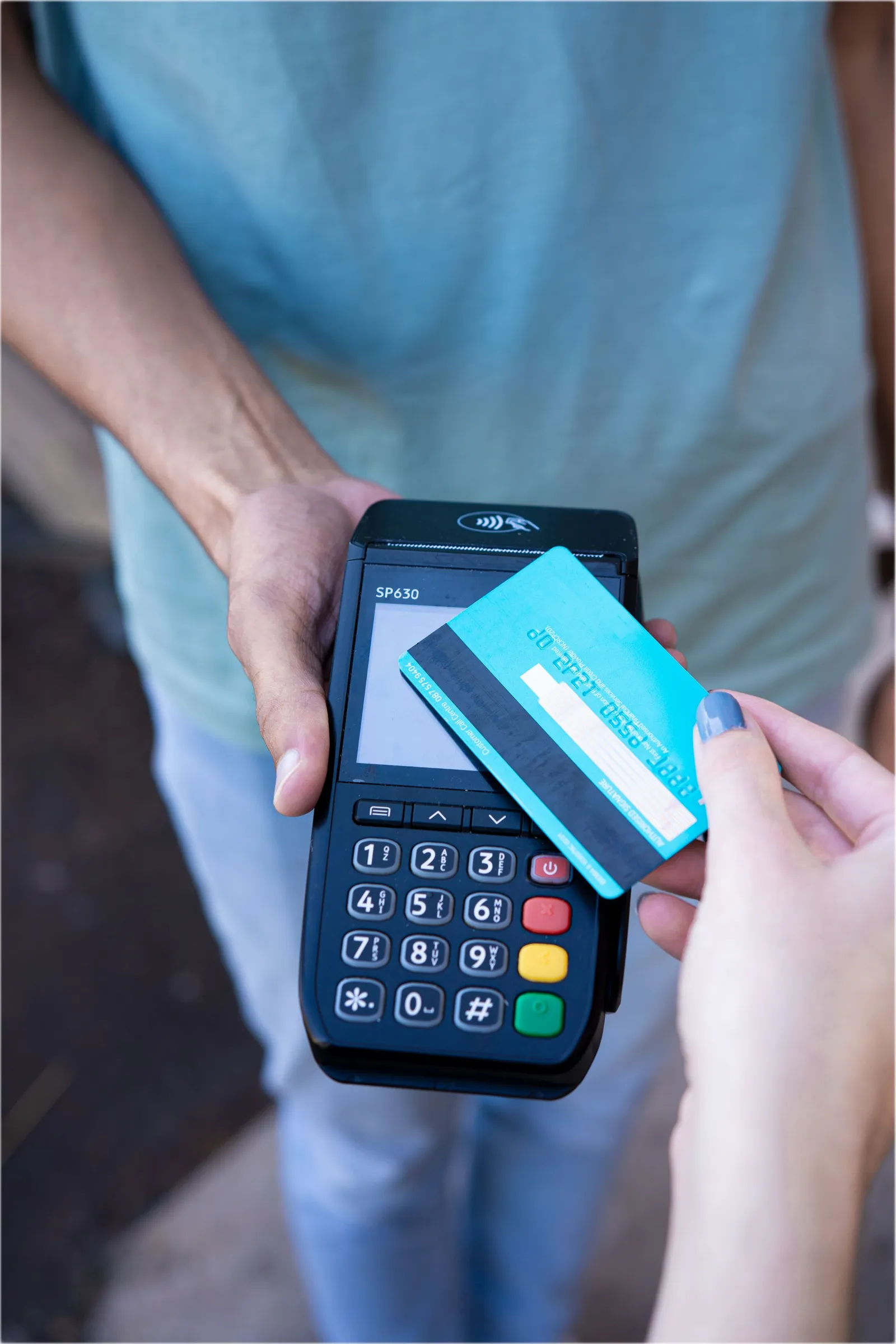
Card fees are one of the largest costs after food and labour. A restaurant with thin margins pays a percentage on every credit card sale, and for years the card networks stopped businesses from passing it on. That changed in Canada in October 2022. A surcharge is now allowed in most of the country, with conditions. This guide summarizes the Visa and Mastercard surcharging rules for Canadian merchants. The networks can change their rules, so confirm the current terms with your payment provider before you add anything to a bill.
Can a Canadian restaurant add a credit card surcharge?
Outside Quebec, generally yes, provided it follows the rules of the card networks. Quebec is different: its consumer protection law prohibits the practice, so the Canadian surcharging rules do not apply there. If you operate in Quebec, do not add a card surcharge. In British Columbia the network rules and the ordinary duty to show customers the real price apply, so check with Consumer Protection BC if you are unsure.
What are the conditions?
Under the Visa and Mastercard rules for Canadian merchants:
- Notice to the networks. You must give your acquirer, and for Mastercard the network too, at least 30 days' written notice before you start.
- Disclosure at the point of sale. Customers must be told before they pay, at the entrance or the till and on any payment screen.
- Itemized on the receipt. The surcharge must appear as a separate line, not folded into the price.
- A cap. The surcharge is limited to a maximum of 2.4 percent of the purchase and, under Mastercard's Canadian rules, to no more than your cost of accepting the card. The networks can change these limits.
- Credit only. The surcharge does not apply to Visa Debit, Debit Mastercard or Interac debit, or to prepaid cards.
The networks revise their rules from time to time, so treat this as a checklist and confirm each item with your payment provider.
What does a surcharge look like in a restaurant?
It can be applied in several ways: a percentage added to credit card payments, a flat amount, or a price list showing a cash or debit price and a credit price. Each has different disclosure requirements, and your payment provider may restrict what it supports. Ask your provider to show you the compliant setup in its terminal or point-of-sale system, with the wording for signs.
Should you do it?
Think through three things.
- The money. Work out your real cost of accepting credit cards, from your statements, and set it beside your margin. If the cost is smaller than you thought, the surcharge may not be worth the friction.
- The customer. A surcharge is visible, and some diners resent it. Reviews sometimes mention it. A business with regulars may prefer to raise prices by a small amount instead and avoid a line on the bill.
- The competition. If the restaurant across the road does not surcharge, you may lose a diner at the door.
Some owners offer a small discount for debit or cash instead, which feels friendlier but has its own rules. Ask your provider and your lawyer how a discount must be disclosed.
How do you handle tips?
A tip belongs to the staff and should not be calculated on a surcharge. Check that your terminal does not suggest a tip on a total that includes the surcharge, which can make tips higher than customers expect. In Quebec, rules on tip prompts require suggested percentages to be calculated before tax. Make sure your terminal is set correctly.
What if a customer objects?
Staff need a simple answer. For example, that the fee reflects what the card companies charge the restaurant, that it does not apply to debit or cash, and that the amount is shown on the receipt. Do not argue. If the customer would rather pay by debit, let them. If they were not told in advance, remove the fee, since an undisclosed surcharge breaks the rules.
What are the risks of getting it wrong?
If you surcharge without following the rules, the card networks can penalize your provider, and your provider may close your account or pass on fines. Customers can dispute charges. Keep proof of your notice to the networks, photographs of your signs and screenshots of the payment screen, in case someone asks.
What about the alternatives?
- Build the cost into menu prices. Simple and invisible, but not targeted.
- Encourage debit. Debit costs far less to accept, so a sign that says debit preferred can shift behaviour.
- Shop your payment processor. Rates and fees vary, and many owners never negotiate.
- Offer pickup and direct ordering with a payment method of your choice. The cost remains, but you control it.
Another guide covers the costs of Interac and card payments in more detail.
A short checklist
- Check your statements for your true card cost.
- Ask your provider whether it supports compliant surcharging.
- Decide whether to surcharge, discount or raise prices.
- If you surcharge, notify the networks, post signs and itemize receipts.
- Train staff to explain it kindly.
More guides for your business:
- Food truck licences in Toronto and Vancouver: city permits, health approval and insurance
- Selling gift cards at a restaurant: when GST/HST applies and how to record them
- GST/HST on tips and service charges: what Canadian restaurants must collect
More in the Canadian guides for food businesses.
Questions
Common questions
Can a Canadian restaurant charge extra for credit cards?
Outside Quebec, generally yes, since October 2022, if it follows the card networks' rules on notice, disclosure and a cap. Check with your provider.
What is the maximum surcharge?
2.4 percent of the purchase under the Visa and Mastercard rules, and never more than your actual cost of accepting the card. Confirm the current figure with your provider.
Can I surcharge debit cards?
No. The rules apply to credit cards, not to Interac debit or Visa Debit and Debit Mastercard.
Can Quebec restaurants add a card surcharge?
No. Quebec's consumer protection law prohibits it.
What must I disclose?
Disclosure before payment at the entrance or the till and on the payment screen, and an itemized line on the receipt.
More like this
Read next
The Accessible BC Act and your restaurant website: what applies today and what to do anyway
British Columbia's Accessible BC Act applies mainly to public bodies for now. What that means for a private restaurant, why website accessibility still matters and a practical checklist.
AODA website rules for Ontario restaurants: who must meet WCAG 2.0 AA and what to fix first
Ontario's accessibility law requires larger private employers to make public websites meet WCAG 2.0 Level AA. Who is covered, what counts as your website, and a practical fix list for a restaurant.
Are Canadians eating out less in 2026, and what brings them back?
Restaurants Canada reports that most Canadians are cutting back on restaurant visits. What the survey says, why table-service businesses have reason to hope, and what independents can do about it.
Selling alcohol with takeout and delivery in BC: what the regulation lets a food primary licence do
Food primary and liquor primary licensees in BC can deliver and sell liquor in unopened containers with a meal. What the Liquor Control and Licensing Regulation says, and the Serving It Right rule.
Put your menu, your replies and your photos in front of diners
Claim your free listing and decide how your business looks to the people searching for a good dish near them.
Free to list: your menu, replies and photos.