
For businesses
Food truck licences in Toronto and Vancouver: city permits, health approval and insurance
Mosey · November 11, 2026 · 4 min read
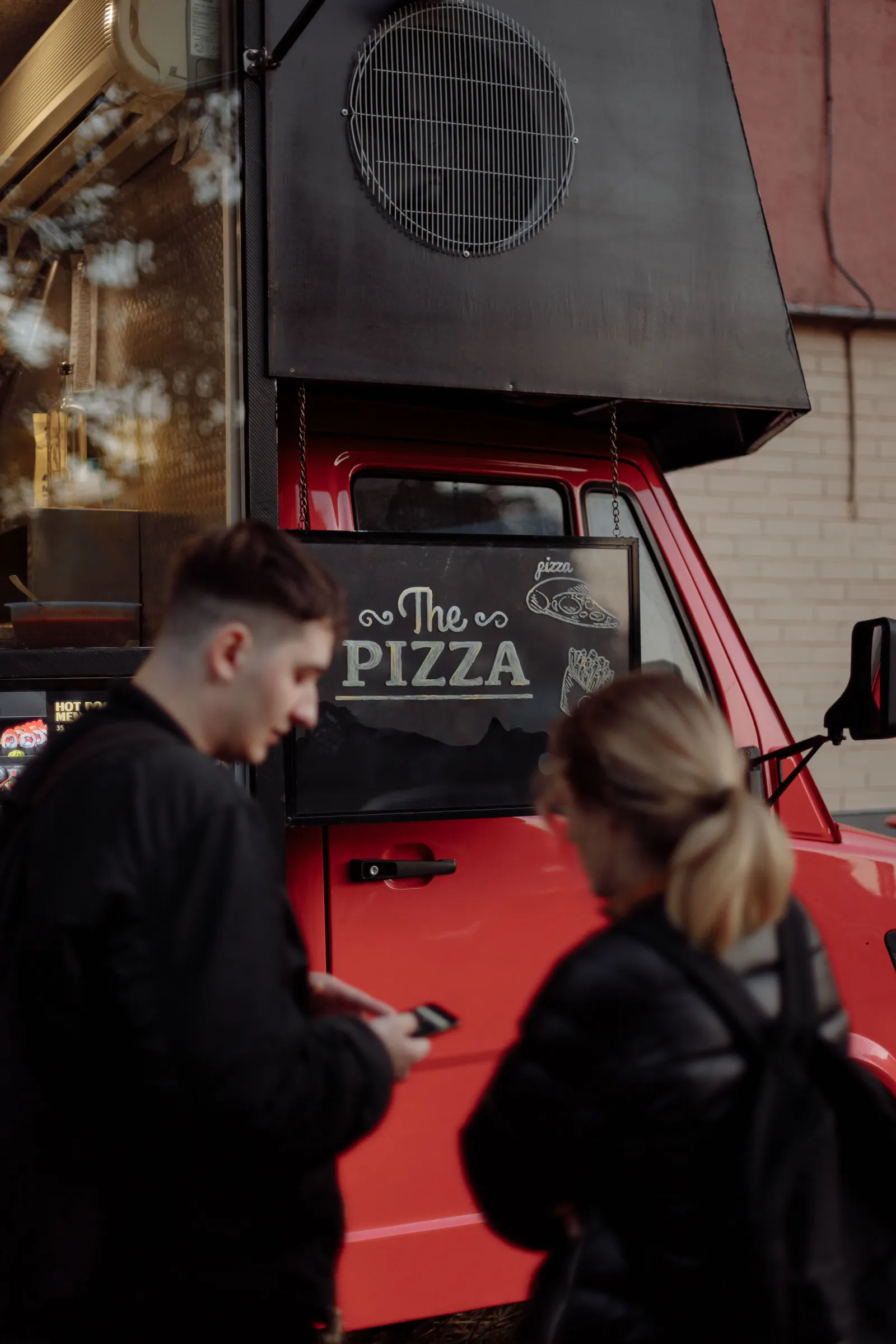
A food truck looks like a cheap way into the restaurant business. It is not a way around regulation. In both Toronto and Vancouver, you need a city licence and permit to sell on public streets, and health approval for the truck itself. The two cities have different systems. Rules and fees change, and the cities' own pages are the authority, so check them before you buy a truck or sign a lease on a commissary.
What does Toronto require?
The City of Toronto's food truck page says you need two things: a Motorized Refreshment Vehicle business licence for the truck, and a Mobile Food Vending permit to operate on public roads. The licence is a requirement to qualify for the vending permit.
Rules in the city's description include:
- Private property. You can operate on private property or a commercial lot with the owner's permission, in places where food trucks are permitted.
- Public roads. Permit holders can use pay-and-display parking spaces, with limits: no more than two food trucks on a block, and a buffer of 30 metres from an open restaurant.
- Time limits. The city's page sets a maximum of 12 hours at a time. Check the current rule.
- Insurance. Applicants must show commercial general liability insurance of 2 million dollars.
- Identification and application. Two pieces of identification, one with a photo, and an in-person application at the city's licensing office.
The Toronto Public Health inspection program, DineSafe, also covers mobile food premises. Contact Toronto Public Health about inspection and about what the truck and the commissary need.
What does Vancouver require?
The City of Vancouver runs a street food vending program with two main kinds of permit:
- Stationary street food permits, for set locations. The city's materials say new permits are awarded through a scoring process and issued on 1 May each year. Renewals need a current business licence, liability insurance, a valid health permit and a signed vendor agreement.
- Roaming food vending permits, for moving trucks. One permit is needed for each vending unit. Applicants need a business licence, liability and vehicle insurance, a criminal record search for each operator and a valid health permit.
The materials state liability cover of 2 million dollars with the City named as an insured. Units must operate a minimum number of days in the permit year, only at the permitted location and times, and menu changes need prior approval from the city and the health authority.
How does health approval work in Vancouver?
Food safety is regulated by Vancouver Coastal Health, which requires street vendors to hold a permit. It looks at the truck's design and equipment, expects a food safety plan and food safety certification for operators, and expects a base of operations, a commissary, where you can clean, store and restock. The commissary must be approved and meet standards, including proper sinks with hot and cold water. Outside Vancouver, other health authorities, such as Fraser Health or Island Health, regulate trucks in their areas.
How much does it cost?
Permit fees, licence fees and insurance premiums differ between the cities and rise over time. In Toronto, the cost of permits for a season or a year is in the thousands of dollars, with the city's page showing different figures for different lengths. In Vancouver, fees are published annually. Add the cost of the truck, fit-out, commissary rent, propane and fire safety checks, and a reserve for repairs. Build a full-year budget before you commit.
What do third-party guides add?
Guides mention fire suppression systems, propane safety inspections and vehicle safety checks. These come from other authorities, such as technical safety bodies and the fire department. Ask the city and your insurer which certificates they want to see, and keep copies in the truck.
Where can you sell outside the street programs?
Many food truck operators earn most of their income at private events, festivals, markets, breweries and business parks, where they deal with the organizer rather than a street permit. These hosts have their own requirements, such as insurance and health approval for temporary events. Ask the organizer early.
What should you do before you buy a truck?
- Read both cities' food truck pages in full.
- Ask the health authority what the truck and its commissary must include.
- Get insurance quotes.
- Check where you could legally park and sell.
- Build a weekly schedule and a year-round budget.
- Talk to operators who already run trucks in your city.
What are the common mistakes?
Buying a truck before checking that it can be approved, assuming a permit guarantees a good spot, underestimating commissary and insurance costs, and operating without the right licence.
More guides for your business:
- Selling gift cards at a restaurant: when GST/HST applies and how to record them
- GST/HST on tips and service charges: what Canadian restaurants must collect
- Hiring temporary foreign workers for a restaurant in BC or Ontario: where the low-wage rules stand in 2026
More in the Canadian guides for food businesses.
Questions
Common questions
What licence does a food truck need in Toronto?
A Motorized Refreshment Vehicle business licence and a Mobile Food Vending permit to operate on public roads, according to the City of Toronto.
How much insurance does a Toronto food truck need?
The city's page asks for commercial general liability insurance of 2 million dollars.
How does Vancouver issue street food permits?
Stationary permits are awarded by scoring and issued on 1 May. Roaming permits are issued per vending unit.
Who approves a food truck's health standards in Vancouver?
Vancouver Coastal Health, which also expects a food safety plan and an approved commissary.
Can I run a food truck at private events without a street permit?
Often, yes, with the organizer's permission. You still need health approval and insurance.
More like this
Read next
The Accessible BC Act and your restaurant website: what applies today and what to do anyway
British Columbia's Accessible BC Act applies mainly to public bodies for now. What that means for a private restaurant, why website accessibility still matters and a practical checklist.
AODA website rules for Ontario restaurants: who must meet WCAG 2.0 AA and what to fix first
Ontario's accessibility law requires larger private employers to make public websites meet WCAG 2.0 Level AA. Who is covered, what counts as your website, and a practical fix list for a restaurant.
Are Canadians eating out less in 2026, and what brings them back?
Restaurants Canada reports that most Canadians are cutting back on restaurant visits. What the survey says, why table-service businesses have reason to hope, and what independents can do about it.
Selling alcohol with takeout and delivery in BC: what the regulation lets a food primary licence do
Food primary and liquor primary licensees in BC can deliver and sell liquor in unopened containers with a meal. What the Liquor Control and Licensing Regulation says, and the Serving It Right rule.
Put your menu, your replies and your photos in front of diners
Claim your free listing and decide how your business looks to the people searching for a good dish near them.
Free to list: your menu, replies and photos.