
For businesses
How to run a coffee shop in Canada: HST on hot drinks, tips and gift cards
Mosey · November 11, 2026 · 4 min read
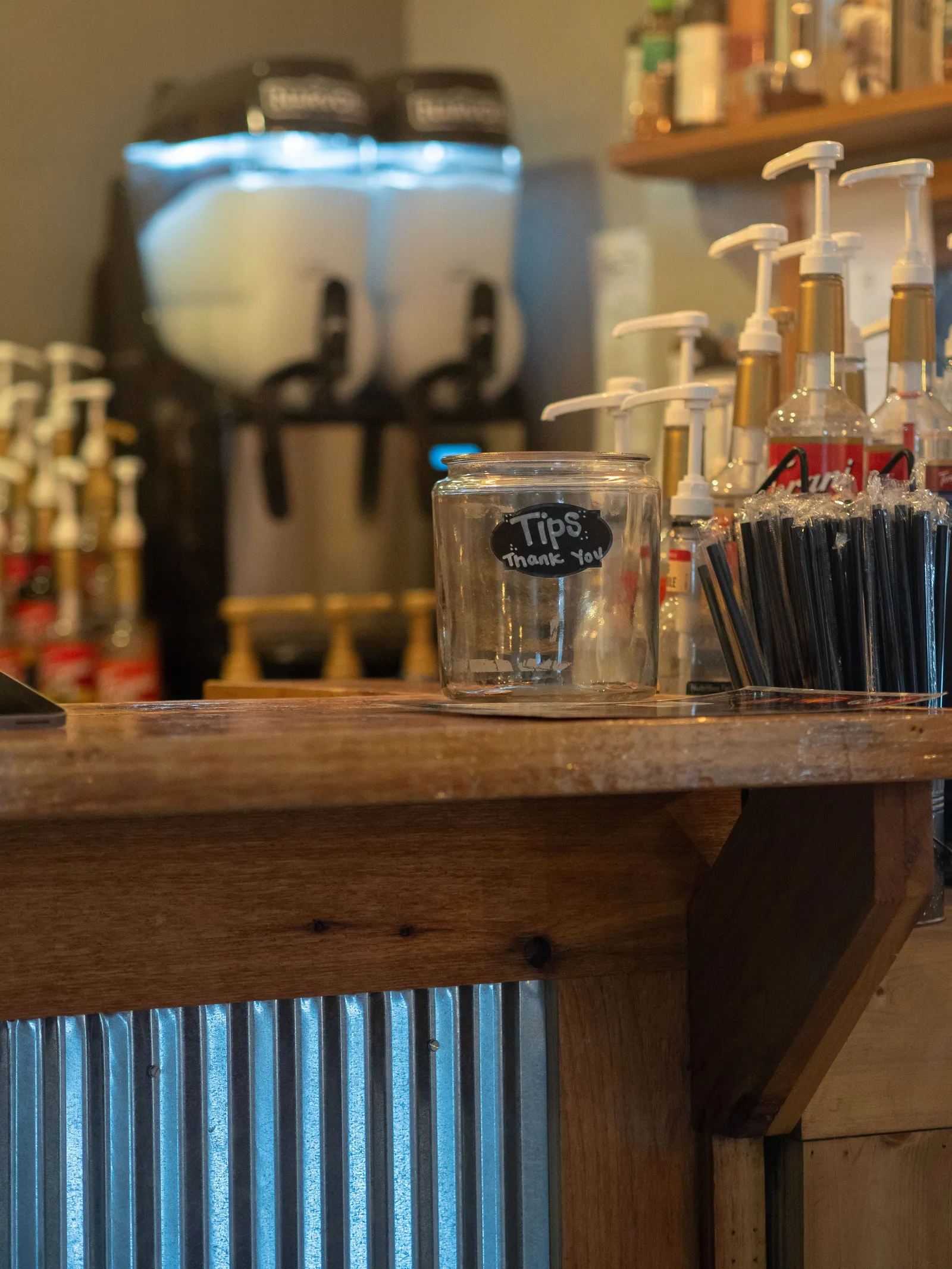
A coffee shop makes money in small amounts, which is why small tax mistakes add up. A latte and a bag of beans look alike on the counter and are treated differently on the return. Tips and gift cards add their own rules. Here is the national picture, with the Ontario rebate that catches every café owner out.
Is a hot coffee taxed differently from a bag of beans?
Yes. The Canada Revenue Agency (CRA) zero-rates basic groceries, meaning no GST/HST is charged, but it excludes food and drinks heated for consumption. Coffee beans are zero-rated. A coffee dispensed where it is sold is taxable, and so are tea, hot chocolate, milk and juice poured at your counter. A bag of beans sold for the customer to take home is a different supply from the cup you hand over.
Your register should therefore carry at least two tax settings: taxable for anything you pour, heat or serve for eating in, and zero-rated for retail beans and other groceries that qualify. Check each product against the CRA's basic groceries memorandum, because exceptions exist, such as candy, snack foods and carbonated drinks.
How are pastries and baked goods taxed?
Sweetened baked goods such as muffins, cakes, cookies and doughnuts are taxable when sold in quantities of fewer than six single servings. Six or more, whether pre-packaged or bought together, are zero-rated when not sold for eating at the establishment. A mixed purchase of six, say two muffins, two cookies and two doughnuts, counts. Unsweetened bread products like plain bagels are treated differently and are generally zero-rated, unless the food is heated or sold for eating in at an establishment. If you sell a box of six to take home, tell your register so. The guide to the Ontario prepared food rebate covers the same ground for Ontario, and HST on restaurant meals for owners sets out the rest.
What is the Ontario 4 dollar rebate?
In Ontario, HST is 13 percent: 5 percent federal and 8 percent provincial. The province rebates the 8 percent part at the till on qualifying prepared food and drinks when the total price for one person at one time is 4 dollars or less, before HST. You collect only the 5 percent federal part. Qualifying items include heated drinks, non-carbonated drinks poured where they are sold, sandwiches, and non-prepackaged baked goods sold as single servings in quantities of fewer than six. Alcohol does not qualify.
The 4 dollar limit is per person per time, and items that do not qualify do not count toward it. A 3.75 dollar latte is rebated. A latte and a pastry that come to 6 dollars are not. Your point of sale should apply the rule automatically, but print a test receipt and check it by hand. Sales in British Columbia, Alberta and the other provinces follow different rules, covered in BC PST and GST on restaurant sales and sales tax in the Prairies and Atlantic Canada.
Who owns the tip jar?
The staff do. In Ontario an employer generally cannot withhold, deduct from or require staff to return tips, with limited exceptions. A tip pool is allowed: the employer collects tips and redistributes them among some or all employees. An employer may deduct a share of the credit card processing cost from a card tip, but not debit or other processing fees. Tips are not wages for the purposes of minimum wage, vacation pay or overtime. Tips must be paid by cash, cheque or direct deposit.
Other provinces have their own rules. Read the Ontario tip law and BC tip pooling and gratuity rules. On tax, a tip a customer freely gives carries no GST/HST, but a service charge added to the bill does. See GST/HST on tips and service charges.
What about gift cards and loyalty cards?
Gift card rules are set by each province, and some ban expiry dates and most fees. Check your province before you print a date on a card. The guides cover Ontario gift cards and loyalty points and BC gift cards. For tax, GST/HST on gift card sales explains when the tax is due.
A loyalty program that sends texts or emails needs consent. Read CASL consent for loyalty sign-ups before you collect numbers at the counter, and whether you need a loyalty program at all.
What should you fix first?
- Print a receipt for a hot coffee, a bag of beans and a box of six muffins, and check each tax line.
- If you are in Ontario, test the 4 dollar rebate with a coffee and a pastry.
- Write down who owns the tips, who counts them and when they are paid.
- Check the expiry wording on your gift cards.
It is an hour of work, and a tax audit would ask for the same things first.
More guides for your business:
- How to run a bar or brewpub in Canada
- How to run a bakery in Canada
- How to run a hotel restaurant in Canada
More in the Canadian guides for food businesses.
Questions
Common questions
Is coffee taxable in Canada?
A coffee you pour or heat and serve is taxable for GST/HST. Coffee beans sold as a grocery item are zero-rated. Set separate tax settings at your register.
How does the Ontario 4 dollar rebate work?
On qualifying prepared food and drinks totalling 4 dollars or less per person at one time, before HST, you collect only the 5 percent federal part, because the 8 percent provincial part is rebated at the till. Alcohol does not qualify.
Are muffins taxable in Canada?
Sweetened baked goods sold in quantities of fewer than six single servings are taxable. Six or more, not sold for eating at the establishment, are zero-rated. Plain bagels and similar unsweetened breads are treated differently.
Can I take part of my staff's tips in Ontario?
Generally no. An employer cannot withhold or deduct from tips except as the Employment Standards Act allows, such as a tip pool shared among employees and a share of credit card fees on card tips.
Can a coffee shop gift card expire?
That depends on the province. Several restrict expiry dates and fees, so read the guide for your province before printing a date on a card.
More like this
Read next
The Accessible BC Act and your restaurant website: what applies today and what to do anyway
British Columbia's Accessible BC Act applies mainly to public bodies for now. What that means for a private restaurant, why website accessibility still matters and a practical checklist.
AODA website rules for Ontario restaurants: who must meet WCAG 2.0 AA and what to fix first
Ontario's accessibility law requires larger private employers to make public websites meet WCAG 2.0 Level AA. Who is covered, what counts as your website, and a practical fix list for a restaurant.
Are Canadians eating out less in 2026, and what brings them back?
Restaurants Canada reports that most Canadians are cutting back on restaurant visits. What the survey says, why table-service businesses have reason to hope, and what independents can do about it.
Selling alcohol with takeout and delivery in BC: what the regulation lets a food primary licence do
Food primary and liquor primary licensees in BC can deliver and sell liquor in unopened containers with a meal. What the Liquor Control and Licensing Regulation says, and the Serving It Right rule.
Put your menu, your replies and your photos in front of diners
Claim your free listing and decide how your business looks to the people searching for a good dish near them.
Free to list: your menu, replies and photos.