
For businesses
PST and GST for BC restaurants: what to charge on food, alcohol, takeout and gift cards
Mosey · November 11, 2026 · 5 min read
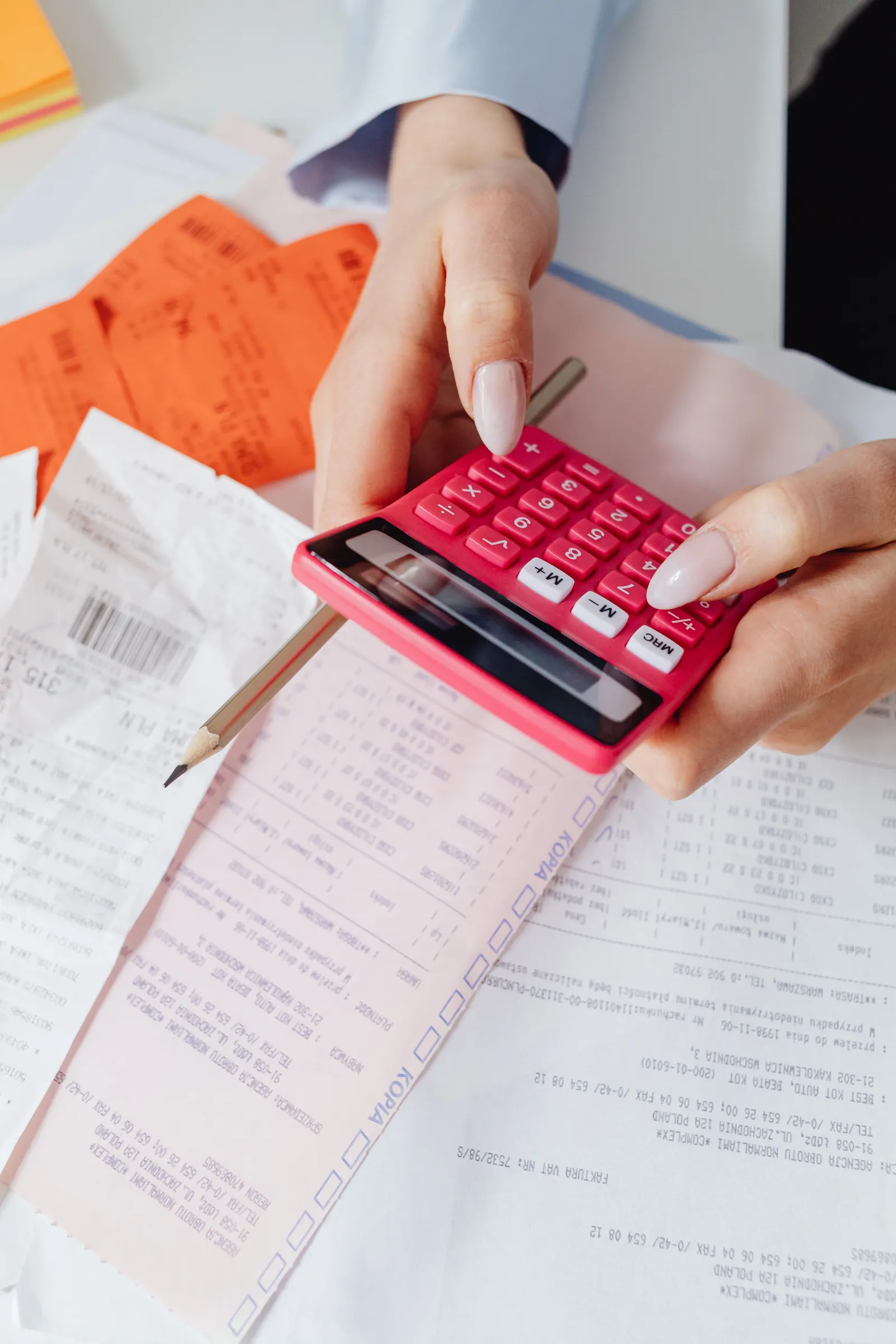
British Columbia has two sales taxes, and they apply to a restaurant bill in different ways. Getting the till set up properly is the difference between a clean return and a nasty surprise at an audit. This guide summarizes the BC government and Canada Revenue Agency guidance. Confirm every rate and rule on their pages before you rely on them.
What tax do you charge on a restaurant meal in BC?
Two taxes sit on top of the menu price:
| Item | GST | PST |
|---|---|---|
| Prepared food eaten in or taken away | 5% | Generally none |
| Non-alcoholic drinks such as coffee or iced tea | 5% | Generally none |
| Soda drinks | 5% | Yes, carved out of the food exemption |
| Alcohol | 5% | 10% |
The BC government's guidance for food and beverage service providers says meals, snacks and non-alcoholic hot or cold drinks such as coffee or iced tea are exempt from PST, while liquor carries 10 percent PST. The same guidance carves soda drinks, including fountain and vending drinks, out of the food exemption at 7 percent PST, so they are taxed differently from your coffee. Check the BC government's page for items such as bottled drinks, and set them up as their own class in your till.
Do you charge tax on tips and service charges?
A tip that a customer freely gives, such as cash left on the table, is not subject to GST. A mandatory gratuity or service charge you add to the bill is different: GST applies to it, but the BC government's PST bulletin says PST does not apply to mandatory gratuities. Be clear on your bill and menu which charges are voluntary, and ask your accountant if you add a service fee.
What do you charge on takeout and delivery?
The tax follows the item, not the spot where it is eaten. Takeout food carries GST, and a delivery fee you charge may also carry tax. Check the details for each channel with your accountant.
Do you have to register for GST?
The Canada Revenue Agency treats a business as a small supplier, which need not register, until its taxable revenues pass 30,000 dollars in a single calendar quarter or over four consecutive calendar quarters. Once you pass the limit you must register within 29 days of the supply that took you over. You can register voluntarily before then to claim input tax credits on your startup costs. If you register, you collect GST from your customers, claim credits on the GST you pay to suppliers, and file returns on the schedule the Canada Revenue Agency sets for you.
What about PST?
If you sell alcohol, you generally register to collect PST with the provincial government. Your liquor supplier charges you for the product, and you charge PST on the sale. Use a point-of-sale system that applies the right tax to each line, so that a bill with food and wine shows GST on both and PST only on the wine.
What input tax credit rules apply to food and drink you buy?
Federal rules limit the input tax credit on some food, beverage and entertainment expenses. Food you buy for resale to customers is a different category from staff meals and entertainment for staff or clients. Ask your accountant, or check the CRA's guidance, for the current limit and its exceptions, and keep receipts and notes on the purpose of each expense.
How should you handle gift cards?
Under the CRA's policy statement on gift certificates, selling a gift card for money is not a taxable supply, and tax applies when the card is redeemed against food or drink. Treat the sale as a liability, and apply tax at redemption. If your system cannot split a payment between a gift card and another method, check how it records the tax.
What records should you keep?
- Daily sales reports split by food and alcohol
- Supplier invoices showing GST paid
- PST returns and payments
- Records of gift card sales and redemptions
- A written note of any change to your tax settings, with the date
The CRA says you usually must keep GST/HST records for six years from the end of the year they relate to, and it can ask you to keep them longer. Do not destroy records early without its written approval.
What are the common mistakes?
- Charging PST on food, or missing it on a soda drink.
- Forgetting PST on a bottle of wine added to a food order.
- Not updating the till when rates change.
- Treating a mandatory service charge as a tip.
- Missing the voluntary registration window.
A good habit
Once a quarter, print a sample bill with food and alcohol and check it by hand. If the maths does not match your understanding, fix the till before it affects a return.
More guides for your business:
- The Accessible BC Act and your restaurant website: what applies today and what to do anyway
- Preparing for a BC health inspection: what environmental health officers check and how to keep records ready
- Tip pooling in BC restaurants: what the Employment Standards Act lets you do with gratuities
More in the Canadian guides for food businesses.
Questions
Common questions
Do BC restaurants charge PST on food?
Generally no. Restaurant food carries 5 percent GST, while alcohol carries GST plus 10 percent PST. Check the BC government for current rates.
Do I have to register for GST if I run a small cafe?
Not while your taxable revenue stays under the CRA's small supplier threshold of 30,000 dollars, in one quarter or over four consecutive quarters, though many businesses register voluntarily to claim credits.
Is a tip taxable?
A tip a customer freely gives is not subject to GST. A mandatory service charge carries GST but no PST. Ask your accountant.
How long should I keep tax records?
The CRA says usually six years from the end of the year they relate to. Confirm with your accountant.
How do gift cards work for tax?
Under the CRA's policy, selling a gift card for money is not a taxable supply, and tax applies when it is redeemed on food and drink.
More like this
Read next
The Accessible BC Act and your restaurant website: what applies today and what to do anyway
British Columbia's Accessible BC Act applies mainly to public bodies for now. What that means for a private restaurant, why website accessibility still matters and a practical checklist.
AODA website rules for Ontario restaurants: who must meet WCAG 2.0 AA and what to fix first
Ontario's accessibility law requires larger private employers to make public websites meet WCAG 2.0 Level AA. Who is covered, what counts as your website, and a practical fix list for a restaurant.
Are Canadians eating out less in 2026, and what brings them back?
Restaurants Canada reports that most Canadians are cutting back on restaurant visits. What the survey says, why table-service businesses have reason to hope, and what independents can do about it.
Selling alcohol with takeout and delivery in BC: what the regulation lets a food primary licence do
Food primary and liquor primary licensees in BC can deliver and sell liquor in unopened containers with a meal. What the Liquor Control and Licensing Regulation says, and the Serving It Right rule.
Put your menu, your replies and your photos in front of diners
Claim your free listing and decide how your business looks to the people searching for a good dish near them.
Free to list: your menu, replies and photos.