
For businesses
How to run a bar or brewpub in Canada: licences, server training and last call
Mosey · November 11, 2026 · 4 min read
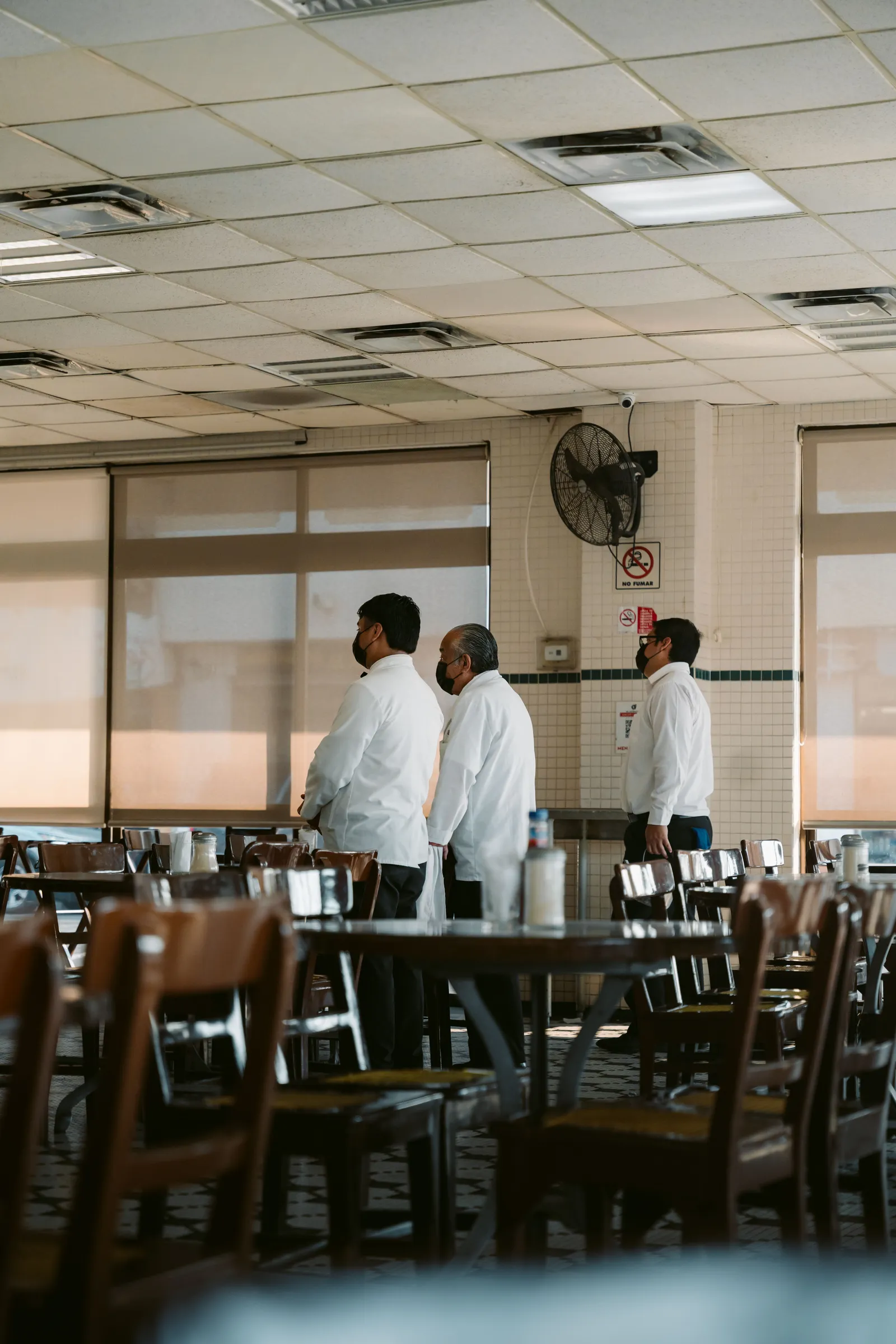
A bar is the one food business where a bad night can end the licence. Liquor in Canada is regulated by the provinces, not the federal government, so every rule in this guide has a provincial version. What follows is the common shape, with pointers to the guides that go deeper for Ontario and British Columbia.
Who licenses bars and brewpubs in Canada?
Each province runs its own system through a regulator or a crown corporation. Ontario's Alcohol and Gaming Commission (AGCO) licenses on-premises sales. British Columbia's Liquor and Cannabis Regulation Branch does the same. Alberta, Quebec and the other provinces each have their own agency. Municipalities add approvals of their own, such as zoning, noise and patio rules.
Questions to settle before you sign a lease:
- Which licence class fits what you sell and how you sell it.
- Whether the municipality must approve or be notified.
- What hours and capacity the licence allows.
- What training your staff must hold.
Start with liquor licences by province, then the guides for Ontario and BC. If you will serve drinks on a patio, read Ontario patios and BC patio licensing.
What is different about a brewpub?
A brewpub makes beer and sells it where it is made, so it is regulated twice: once as a producer and once as a place that serves. Provinces differ on how that works. In Ontario, for example, breweries, wineries and distilleries serve by the glass under an endorsement on a manufacturer's licence, and the AGCO sets their hours differently from a bar's. Ask the provincial regulator three things before you buy equipment: which licence covers both brewing and serving, what limits apply to production and to selling packaged product, and whether you may serve other producers' drinks. Keep the brewing and serving sides separate in your books.
What server training is required?
Training is a legal requirement in the big provinces. In British Columbia, Serving It Right is the mandatory responsible beverage service program, and generally licensees, managers and servers need the certificate, which expires five years after it is issued. In Ontario, Smart Serve is the approved training program for servers. Each province runs its own program, so ask the regulator whether a certificate from another province is accepted before you hire. Read Smart Serve for Ontario staff, Serving It Right in BC and server training in Alberta and Saskatchewan. Keep a copy of every certificate in your staff file.
How do last call and clearing times work?
The province sets the hours, and last call is a legal limit, not a courtesy. In Ontario, on-premises sale and service run from 9 a.m. to 2 a.m., and all orders must be served before 2 a.m. Liquor must then be cleared, including glasses and bottles from tables, 45 minutes after the end time on your licence, which is 2:45 a.m. for most licensees. On New Year's Eve the hours run an hour later. Your licence can carry conditions that make the hours shorter. Brewery, winery and distillery by-the-glass endorsements in Ontario end at midnight. Other provinces use different hours, so check the regulator's page for yours.
What is commercial host liability?
Canadian courts have held that a business that serves alcohol owes a duty of care to its patrons and, in some cases, to third parties such as other road users. The leading decisions are from the Supreme Court of Canada, and the point is that liability depends on whether it was foreseeable that an over-served customer would cause harm, not on over-service alone. A bar is not expected to watch every customer. It is expected to act when it knows, or should know, that someone is intoxicated: stop serving, offer another way home and write down what happened.
Do three things. Train every server to refuse service and to log the refusal. Make sure your manager knows when to call a taxi or the police. Tell your insurer exactly what you sell, since liquor liability is usually a separate line. The rules also appear in provincial liquor statutes, so read yours.
How is an automatic gratuity taxed?
A voluntary tip paid directly to staff is not subject to GST/HST. A gratuity included in the invoiced charge is. The Canada Revenue Agency's example is a 1,000 dollar banquet with a 150 dollar service charge, which is taxed on 1,150 dollars. If your bar adds a mandatory or suggested amount for large groups, show it on the bill and charge tax on it. For payroll, such a charge is a controlled tip. Read GST/HST on tips and service charges and tips on payroll.
What should a first-time owner do before opening night?
- Hold the licence before you stock the bar.
- Train and certify every server, and file the certificates.
- Post your hours, your cut-off and your refusal policy where staff can see them.
- Get a written quote for liquor liability cover.
- Keep every liquor invoice.
More guides for your business:
- How to run a bakery in Canada
- How to run a hotel restaurant in Canada
- How to run a food hall stall or market stand in Canada
More in the Canadian guides for food businesses.
Questions
Common questions
Who issues a bar licence in Canada?
The province does, through a regulator such as the AGCO in Ontario or the Liquor and Cannabis Regulation Branch in British Columbia. Your municipality adds its own approvals.
Is server training required for bartenders in Ontario and BC?
In British Columbia, Serving It Right is mandatory for licensees, managers and servers generally, and the certificate expires after five years. Ontario's approved program is Smart Serve. Each province runs its own, so check whether another province's certificate is accepted.
What time is last call in Ontario?
On-premises service runs from 9 a.m. to 2 a.m., all orders must be served before 2 a.m., and liquor must be cleared 45 minutes after your licence end time. Licence conditions can shorten the hours.
Can a Canadian bar be held responsible for a drunk customer's crash?
Yes, in some cases. Courts have held that a business that serves alcohol owes a duty of care when harm to the patron or others is foreseeable. Train staff to refuse service and keep a record.
Is GST/HST charged on an automatic gratuity?
Yes. A gratuity or service charge included in the invoiced charge is part of the taxable amount. A tip a customer freely gives directly to staff is not.
More like this
Read next
The Accessible BC Act and your restaurant website: what applies today and what to do anyway
British Columbia's Accessible BC Act applies mainly to public bodies for now. What that means for a private restaurant, why website accessibility still matters and a practical checklist.
AODA website rules for Ontario restaurants: who must meet WCAG 2.0 AA and what to fix first
Ontario's accessibility law requires larger private employers to make public websites meet WCAG 2.0 Level AA. Who is covered, what counts as your website, and a practical fix list for a restaurant.
Are Canadians eating out less in 2026, and what brings them back?
Restaurants Canada reports that most Canadians are cutting back on restaurant visits. What the survey says, why table-service businesses have reason to hope, and what independents can do about it.
Selling alcohol with takeout and delivery in BC: what the regulation lets a food primary licence do
Food primary and liquor primary licensees in BC can deliver and sell liquor in unopened containers with a meal. What the Liquor Control and Licensing Regulation says, and the Serving It Right rule.
Put your menu, your replies and your photos in front of diners
Claim your free listing and decide how your business looks to the people searching for a good dish near them.
Free to list: your menu, replies and photos.