
For businesses
Liquor licences for BC restaurants: food primary or liquor primary, and who needs Serving It Right
Mosey · November 11, 2026 · 5 min read
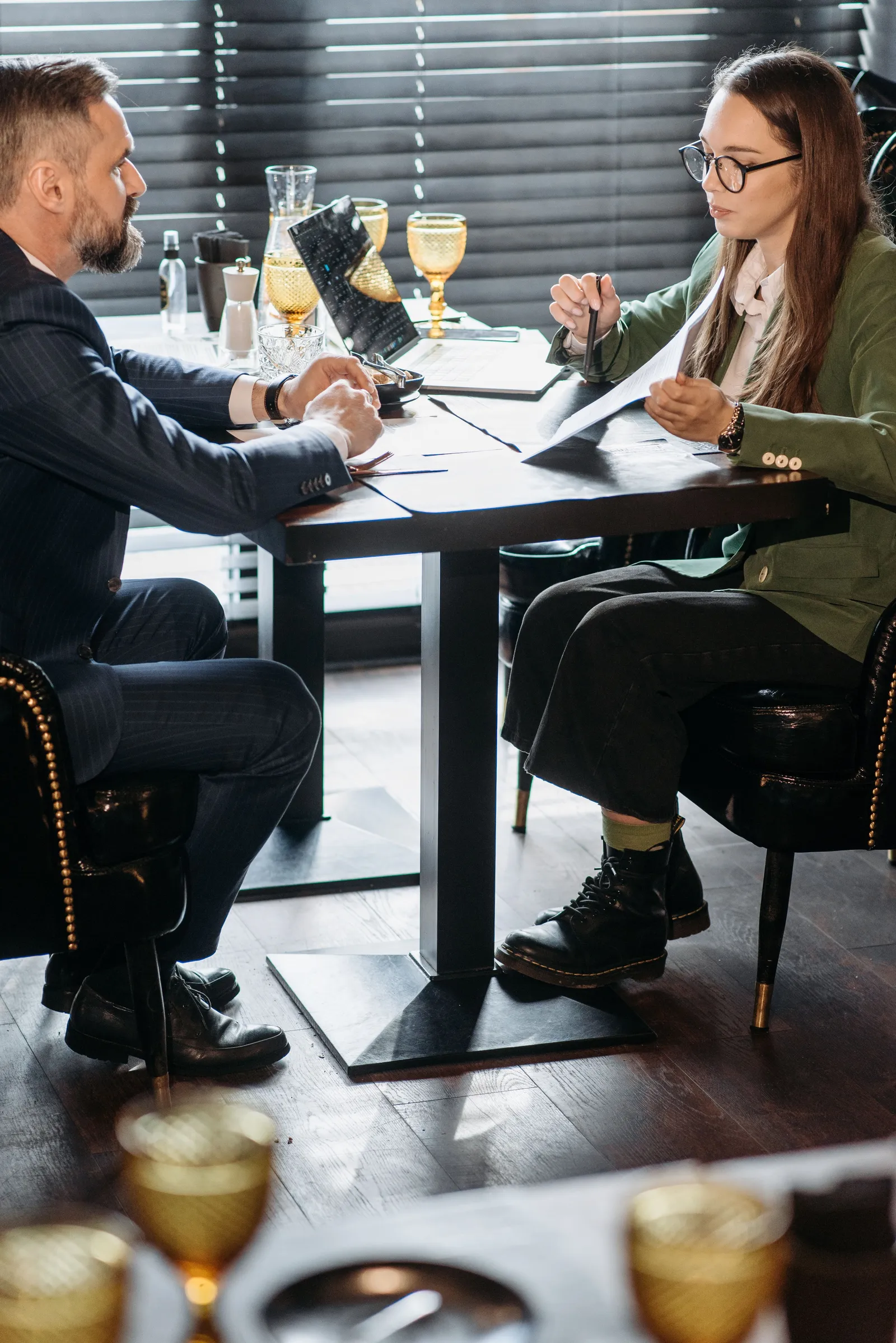
If you plan to serve alcohol in British Columbia, the licence you choose decides much of what follows: whether children can sit at your tables, how much of your income must come from food, what hours you can keep and which training your team needs. The Liquor and Cannabis Regulation Branch issues the licences and publishes the terms and conditions. This guide is a plain-language overview of the Branch's published guidance, not a substitute for its own rules.
What is a food primary licence?
It is designed for a business whose main purpose is serving food, with liquor served in the service area alongside it. Most restaurants hold one. The government's Serving It Right site describes it as issued where the primary purpose is the service of food. Because food is the point, families and children can generally dine in, and the licence conditions are written around meals.
What is a liquor primary licence?
A liquor primary licence is for businesses whose main purpose is serving alcohol, such as pubs, bars and nightclubs. The rules around minors and hours differ, and a restaurant that wants to operate as a pub in the evening may need to consider which licence fits. If you are unsure, ask the Branch before you sign a lease on a premises.
Who needs a Serving It Right certificate?
The Serving It Right program is a mandatory self-study course on responsible alcohol service. According to the government site, licensees, managers and servers generally need the certificate, as do others who may be left in charge, and what you need depends on your licence type. The certificate expires five years after it is issued. For a restaurant with a food primary licence, that means anyone who takes alcohol orders or supervises the dining room. Print the certificates and keep copies on file, with their expiry dates.
What happens in the licensing process?
The application typically includes an interview about your plans and an inspection of the premises by a liquor inspector. Expect questions about your seating, your entrances, your food menu, your staff training and your plans for dealing with intoxicated guests. Local governments can also have a say, since a municipality may comment on a new licence. Ask the Branch how long your type of licence is taking, and do not set an opening date until it is issued.
Can you offer bring your own wine?
Since a 2012 change to the liquor regulation, restaurants in British Columbia can allow customers to bring their own wine. It is optional, and it covers wine only. Check the Liquor and Cannabis Regulation Branch for the conditions that apply to your licence, including whether and how you may charge a corkage fee. If you offer it, state your terms clearly, print them on the menu, train staff to handle bottles and keep records. Some restaurants find that corkage brings in diners who would not otherwise come, while others find it undermines wine sales. Decide on the basis of your own numbers.
What responsibilities come with serving alcohol?
- You must not serve a person who appears intoxicated.
- You must not serve minors.
- You must check ID when in doubt.
- You are responsible for what happens on your premises, and you can be held liable for harm caused by over-service.
- You must keep your licence conditions and post any required notices.
Keep a written policy that staff sign, and a log for incidents. Call a taxi for guests who should not drive.
Can you run a happy hour?
Yes, within limits. The Liquor and Cannabis Regulation Branch's handbooks let food primary and liquor primary licensees vary their drink prices during service hours, as long as the price in each category of liquor stays at or above the provincial minimum. The minimums are listed in the Branch's handbook for your licence type, so read the current version before you print a price.
What taxes apply to alcohol?
Alcohol carries GST of 5 percent and PST of 10 percent in British Columbia, while food carries GST only. Set up your till so that each line is taxed properly.
Can the licence change as the business grows?
Yes, but not automatically. If you add a patio, change your capacity, extend your hours or start hosting events, the licence terms may need to be amended with the Branch before you do it. Local governments also regulate patios and noise through their own bylaws, so check with your city. Many owners find it simpler to ask for the structure they will need in two years, and then grow into it, than to apply for repeated changes. Keep copies of the licence and any amendments where managers can see them.
Which mistakes should you avoid?
- Opening before the licence is issued.
- Letting a new hire pour drinks before they have the certificate.
- Failing to check the hours or conditions on the licence.
- Treating a food primary licence as a bar licence in the evening.
- Not keeping proof of staff training.
Where do you get help?
The Liquor and Cannabis Regulation Branch, your local government licensing office and the BC Restaurant and Food Services Association can all guide you. A hospitality lawyer is worth the cost if your plans are unusual.
More guides for your business:
- The Accessible BC Act and your restaurant website: what applies today and what to do anyway
- BC minimum wage for restaurants in 2026: 18.25 dollars, liquor servers and the June adjustment
- PST and GST for BC restaurants: what to charge on food, alcohol, takeout and gift cards
More in the Canadian guides for food businesses.
Questions
Common questions
What is a food primary licence in BC?
A licence for a business whose primary purpose is serving food, with alcohol served in the same area. Most restaurants hold one.
Who needs Serving It Right?
According to the government site, licensees, managers and servers generally, and those who may be left in charge of a licensed business. The certificate expires five years after it is issued.
Can customers bring their own wine in BC?
Restaurants may allow it, since 2012. It is optional and covers wine only. Check the Liquor and Cannabis Regulation Branch for the conditions, including any corkage fee.
How long does a liquor licence take?
It involves an application, an interview, an inspection and possible local government comment. Ask the Branch how long your licence type is taking.
Can I run a two-for-one drink special?
No. Two-for-one drink specials are prohibited, and any happy hour price must stay at or above the provincial minimum for its category of liquor.
Where can I find the licence conditions?
From the Liquor and Cannabis Regulation Branch of the BC government.
More like this
Read next
The Accessible BC Act and your restaurant website: what applies today and what to do anyway
British Columbia's Accessible BC Act applies mainly to public bodies for now. What that means for a private restaurant, why website accessibility still matters and a practical checklist.
AODA website rules for Ontario restaurants: who must meet WCAG 2.0 AA and what to fix first
Ontario's accessibility law requires larger private employers to make public websites meet WCAG 2.0 Level AA. Who is covered, what counts as your website, and a practical fix list for a restaurant.
Are Canadians eating out less in 2026, and what brings them back?
Restaurants Canada reports that most Canadians are cutting back on restaurant visits. What the survey says, why table-service businesses have reason to hope, and what independents can do about it.
Selling alcohol with takeout and delivery in BC: what the regulation lets a food primary licence do
Food primary and liquor primary licensees in BC can deliver and sell liquor in unopened containers with a meal. What the Liquor Control and Licensing Regulation says, and the Serving It Right rule.
Put your menu, your replies and your photos in front of diners
Claim your free listing and decide how your business looks to the people searching for a good dish near them.
Free to list: your menu, replies and photos.