
How to
Wheat Allergy vs Celiac Disease When Eating Out
Mosey · November 11, 2026 · 5 min read
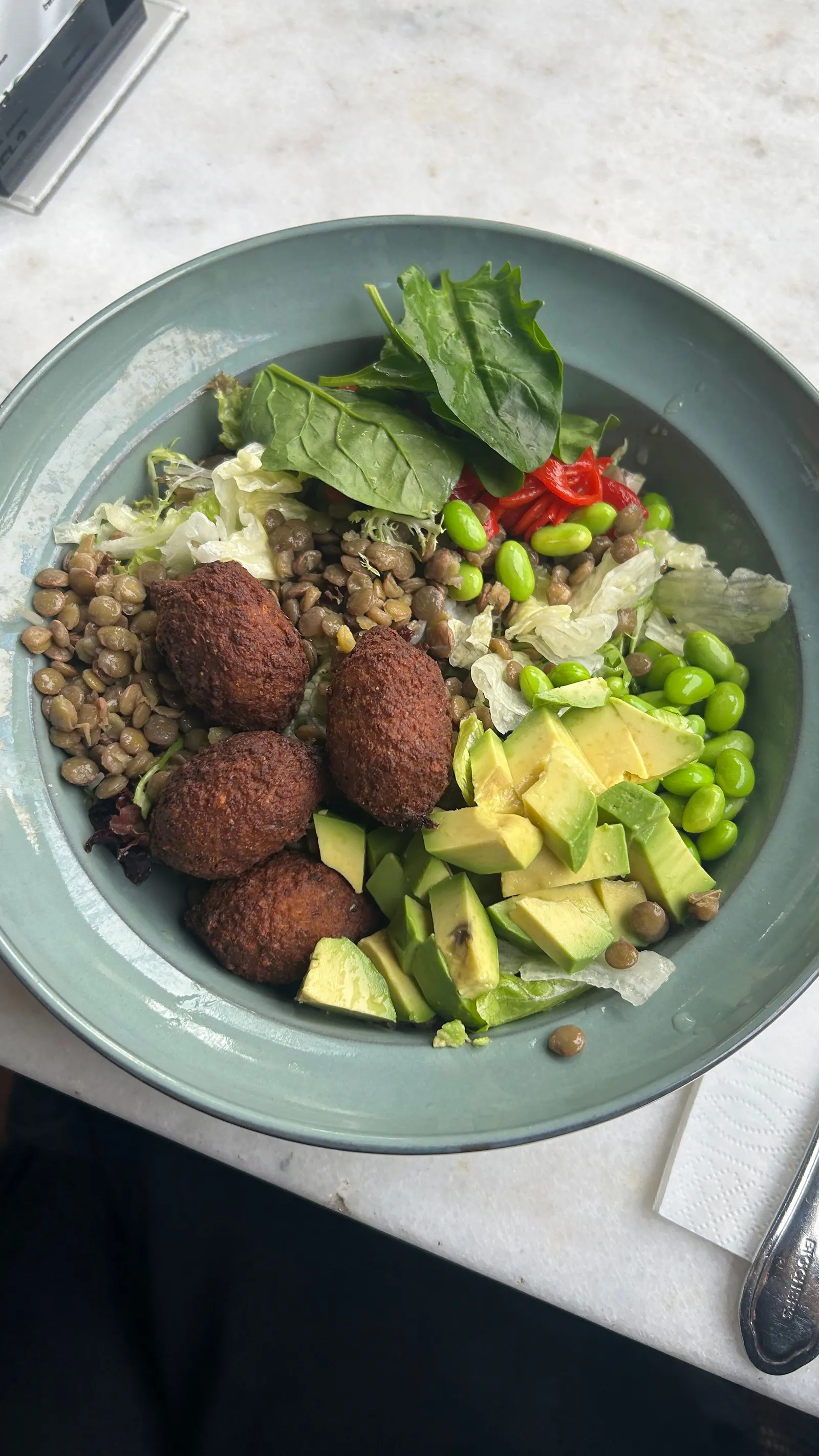
Wheat allergy vs celiac disease is not a matter of strictness. They are two different conditions: a wheat allergy is an immune reaction to proteins in wheat, while celiac disease is an immune reaction to gluten that damages the small intestine. The questions a kitchen should hear differ too, which is why a menu symbol for one cannot stand in for the other.
How is a wheat allergy vs celiac disease different?
The NIDDK describes celiac disease as a chronic digestive and immune disorder that damages the small intestine, triggered by eating gluten, which is found in wheat, barley and rye. It describes wheat allergy as a food allergy that also involves an immune reaction to wheat but differs in symptoms, such as itchy eyes or trouble breathing, and does not damage the small intestine the way celiac disease does. Health Canada's wheat page puts it in one line: they are two different conditions.
A third group, people with non-celiac gluten sensitivity, has symptoms that can resemble celiac disease but involves no intestinal damage. Which of these applies to you is a medical question. Your doctor decides it, and the rest of this guide only helps you say clearly what you were told.
What does the FDA list say about wheat?
The FDA includes wheat among the nine major food allergens, alongside milk, eggs, fish, crustacean shellfish, tree nuts, peanuts, soybeans and sesame, and shows the labeling form "flour (wheat)". Gluten is not mentioned on that page, and the page does not describe restaurant food. In other words the allergen list is about wheat, not about every gluten grain, so a diner who must avoid barley or rye is outside it. That is why our guide to the FDA gluten-free rule is a separate topic.
Where does hidden wheat turn up on a menu?
This is general cooking knowledge, and recipes differ. Beyond bread and pasta, look for wheat in breaded and batter-fried foods, in gravies and sauces thickened with a flour roux, in soy and tamari sauces, in meatballs and crab cakes bound with breadcrumbs, in veggie burgers and seitan, in couscous, bulgur, farro and semolina, in croutons and crispy toppings, and in cream soups. Health Canada's wheat page adds starches, hydrolyzed plant protein and some deli meats to the list of possible sources.
Fries are a good example. Potatoes are not wheat, but a coating, a seasoning or a shared fryer with breaded items can bring it in. A plain grilled dish can pick it up from a marinade or a basting sauce. So ask about the sauce, the coating and the oil, not only the main item.
Why does Mosey read gluten and wheat together?
When you choose gluten in Hide dishes that list, the filter also hides dishes that list wheat, and the reverse. It is a cautious reading of what a place entered, and the entries themselves are never changed. It is not a statement that the two are the same: gluten also comes from other grains, and a place ticks wheat as an allergen in its own right. For a US place Mosey offers wheat among the nine major allergens, and gluten appears among the other allergens on screens that cover many places at once. The filter's full behavior is in how the dish filter works.
What changes when it is barley and rye, not wheat?
A diner with celiac disease avoids those other gluten grains as well as wheat, so a malt flavoring, a beer-based batter, a rye bread or a barley soup matters even if wheat is absent. A diner with a wheat allergy may be told something different by their doctor. Either way, say the specific grains you avoid, and do not assume the kitchen will translate "gluten" into "wheat" or the reverse. Ask about toasters, pasta water, shared fryers and surfaces where crumbs travel, because celiac disease cares about small amounts. Here is a short script that works for either condition. Say which condition you have and which grains you avoid. Ask whether the dish has flour, breadcrumbs, malt or beer in it, and whether the kitchen can leave off the croutons, the bun or the sauce. Ask whether a clean pan, a clean fryer basket and a clean board can be used for your plate, and whether the cook who makes it has changed gloves. Then ask the server to repeat the order back. If the answers are rushed, that tells you something about how the plate will be made. The wider routine for any allergen is in eating out with food allergies in the US.
How do tags, ratings and lists fit in?
A tag such as Gluten-Free on a place is one diner's note about one visit, not a standard and not a promise. Use it as a reason to ask a question, never as an answer. Rate the dish, not only the place, and write what you asked and what the kitchen said: that is more useful to the next diner than a star count. A private list of places that answered clearly can be shared with friends who avoid the same grains. The lists page shows how, and the US food guides hold more.
A place can fill in its allergens in its dashboard, and Mosey is free to list, with no hidden fees and affordable tools, which supports local kitchens that want to be clear with diners.
After a meal where the kitchen understood the difference, rate the dish in the Mosey app and add the grains you named to your note.
Questions
Common questions
What is the difference between a wheat allergy and celiac disease?
A wheat allergy is an immune reaction to proteins in wheat. Celiac disease is an immune reaction to gluten, found in wheat, barley and rye, that damages the small intestine. Health Canada calls them two different conditions, and a doctor decides which applies to you.
Is wheat the same as gluten on a menu?
No. Wheat is one source of gluten, along with barley and rye. The FDA lists wheat as a major allergen and does not mention gluten on that page. Tell the kitchen which grains you avoid, not just one word, because staff may translate them differently.
Where does hidden wheat turn up in restaurant food?
Common places are breaded and battered foods, flour-thickened gravies, soy and tamari sauces, meatballs, veggie burgers, couscous, bulgur, croutons and cream soups. This is general cooking knowledge and recipes differ, so ask about sauces, coatings and shared fryers rather than only the main item.
Does hiding gluten in Mosey also hide dishes that list wheat?
Yes. The dish filter reads gluten and wheat together in both directions and does not change what a place entered. That is a cautious rule, not a claim that they are identical, and dishes with no entry stay visible marked Allergens not listed, ask the place.
How can I share places that understood my wheat or gluten needs?
Mosey is a food app for finding places, rating each dish and sharing lists with friends. Rate the dish with a note on the grains you named, keep a list for friends who share your needs, and follow people whose ratings you trust. Tags are one diner's note, never a promise.
More like this
Read next
A 48 Hour Food Weekend Plan With a Shared List
Plan a 48 hour food weekend in any town with one shared list: sections for each meal, notes from everyone, ratings as you go and a list to keep afterward.
Anna Maria Island Restaurants: Pier, Beach and Sunset
Anna Maria Island restaurants range from a fishing pier to a toes-in-the-sand sunset spot. Meet four places and plan a day from breakfast to dinner.
Eating out in Arizona: summer heat, winter visitors and spring training
Arizona restaurants run on two seasons. How to eat out in 110 degree summers, when winter and spring training crowds make reservations essential, and how to time patios, misters and late dinners.
Armenian and Middle Eastern Food in Fresno
Armenian and Middle Eastern food in Fresno means shish kebab, lamb chops and chicken shawarma wraps. Dishes to look for and how to compare them.
