
How to
Gluten-Free Restaurants: What the FDA Rule Covers
Mosey · November 11, 2026 · 5 min read
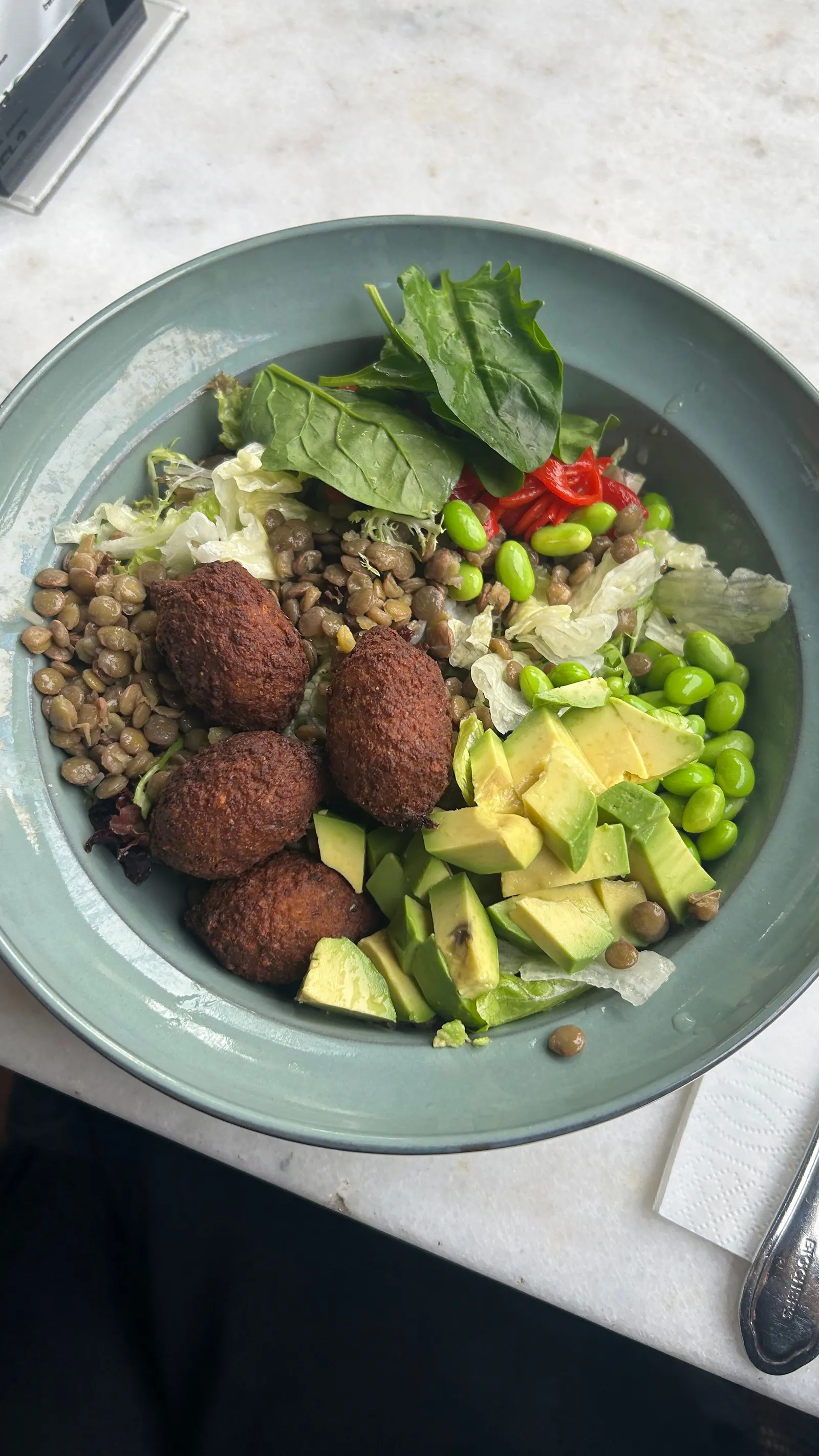
Gluten free restaurants are hard to judge from a menu, because the federal rule that defines gluten-free was written for packaged food, not for a plate cooked to order. The FDA recommends that restaurants making the claim follow the same definition, but the claim on a menu is only as good as the kitchen behind it. So the habit that works is to ask, every time.
What does the FDA gluten-free rule actually cover?
The federal rule is simple to state. A food labeled gluten-free must either be inherently gluten-free or made without gluten-containing grains or ingredients derived from them, and any gluten that is unavoidably present must be less than 20 parts per million. Ingredients made from gluten-containing grains and processed to remove gluten can be used only if the finished food still comes in under 20 parts per million.
The rule applies to foods the FDA regulates, including dietary supplements. It does not cover foods whose labeling falls to the USDA, such as most meat and poultry, or to the TTB, such as most alcoholic beverages. Restaurants are in a different position, because the rule was written with packaged food in mind.
Do gluten free restaurants have to follow it?
In part. The FDA says a restaurant's gluten-free claim should be consistent with the federal definition, and it will pass on complaints about unpackaged foods with state and local partners. Packaged items sold in some carry-out settings can fall under the rule.
For you, that means a gluten-free label on a menu is a signal of intent, not a federal guarantee. Whether the claim is reliable depends on the training of the staff, the layout of the kitchen and the care taken on the day. That is also why two places with the same words on the menu can differ.
How is wheat treated in US allergen law?
Wheat is one of the nine major food allergens named in US law, along with milk, eggs, fish, crustacean shellfish, tree nuts, peanuts, soybeans and sesame. Labeling rules require the major allergens to be identified on packaged food. Gluten intolerance and wheat allergy are different conditions, and the allergen list is not a gluten list. Your doctor or dietitian is the right person to tell you what you need to avoid.
What should you ask when eating out with celiac disease?
Say it early and plainly, and name what you need. Questions worth asking:
- Is there a separate fryer for fries or is it shared with breaded foods?
- Are the grill, pans and cutting boards cleaned or separate before they cook my food?
- Is the sauce or dressing thickened with flour, and does the soup start with a roux?
- Does the kitchen use separate tongs, gloves and serving spoons?
- Can a manager or the cook talk to me about it?
Questions about cross-contact matter as much as ingredients, because a gluten-free ingredient can pick up gluten from a shared surface. Listen to how the answer is given. A confident, specific reply is a good sign. A vague one suggests you should choose something simpler or a different place. If you are unsure, it is fine to leave.
How do the Gluten-Free tag and your own notes help?
On Mosey, a rater can add the stored tag Gluten-Free to a rating, and a diner can look for it in the Find sheet. It is one person's note about one visit, and the app does not filter places by allergen. It never means a place is gluten-free, only that a diner tagged it. Treat it as a lead and then ask the kitchen.
If you rate a place, use your note for what happened: you asked about the fryer, the server checked with the kitchen, the plate arrived as discussed, or something did not go to plan. Say what you ordered and how it was handled. That kind of detail is useful to the next person with the same question, and it helps places see what customers need.
How do badges and lists fit in?
The Gluten-Free tag is one of those that has its own badge family. Rate places with the tag and you climb from Sampler at five different places up through Taster, Expert and Connoisseur. A badge is a record of your own ratings, not a check on any kitchen, so it should never replace a conversation with the cook.
Make a list of the places where you have had a good experience, add a note under each one about what you ordered and who you spoke to, and share it with friends who eat the same way. Follow them to see what they rate and save. The lists page shows how sharing works.
Where can you read more?
A rating that explains what the cook did right is worth more to the next diner than a bare score. For related reading, see eating out with food allergies in the US, how to find good food in a new city and the full set of US food guides.
Planning something different next time? Two related guides are vegan and vegetarian restaurants and halal restaurants.
When a kitchen handles your request well, rate the dish in the Mosey app, tag it Gluten-Free with a line on what they did, and add the place to a list for friends.
Questions
Common questions
What does gluten-free mean on a US label?
For FDA-regulated food, gluten-free means the food is inherently gluten-free or made without gluten-containing grains, and any unavoidable gluten is below 20 parts per million. The FDA says restaurant claims should be consistent with that definition, so ask a restaurant how it defines the claim.
Do restaurants have to meet the FDA gluten-free definition?
The FDA says restaurant gluten-free claims should be consistent with the federal definition, and it shares complaints about unpackaged food with state and local partners. Even so, the reliability of a menu claim rests on the kitchen, so ask how it prepares your dish.
What should I ask a kitchen about cross-contact?
Ask about shared fryers, grills and pans, cutting boards and tongs, whether sauces are thickened with flour, and whether a manager or cook can talk to you. Name your need plainly and listen for a specific answer. If the reply is vague, choose something simpler or go elsewhere.
Does the Gluten-Free tag guarantee a meal is right for me?
No. The tag is one diner's note about one visit, not a check on the kitchen, and Mosey never says a place or dish is free of anything. Use the tag to build a short list, then ask the kitchen yourself. Your doctor or dietitian can tell you what you need to avoid.
How can I keep track of places that handled gluten well?
Mosey is a food app for finding places to eat, rating dishes and keeping lists you can share. Rate each dish, add the Gluten-Free tag with a note on what the kitchen did, keep the places in a list with friends and follow them to see their ratings. Tags are diners' notes.
More like this
Read next
A 48 Hour Food Weekend Plan With a Shared List
Plan a 48 hour food weekend in any town with one shared list: sections for each meal, notes from everyone, ratings as you go and a list to keep afterward.
Anna Maria Island Restaurants: Pier, Beach and Sunset
Anna Maria Island restaurants range from a fishing pier to a toes-in-the-sand sunset spot. Meet four places and plan a day from breakfast to dinner.
Eating out in Arizona: summer heat, winter visitors and spring training
Arizona restaurants run on two seasons. How to eat out in 110 degree summers, when winter and spring training crowds make reservations essential, and how to time patios, misters and late dinners.
Armenian and Middle Eastern Food in Fresno
Armenian and Middle Eastern food in Fresno means shish kebab, lamb chops and chicken shawarma wraps. Dishes to look for and how to compare them.
