
City guide
St. Paul food guide: Hmong markets, University Avenue and Lowertown
Mosey · November 11, 2026 · 5 min read
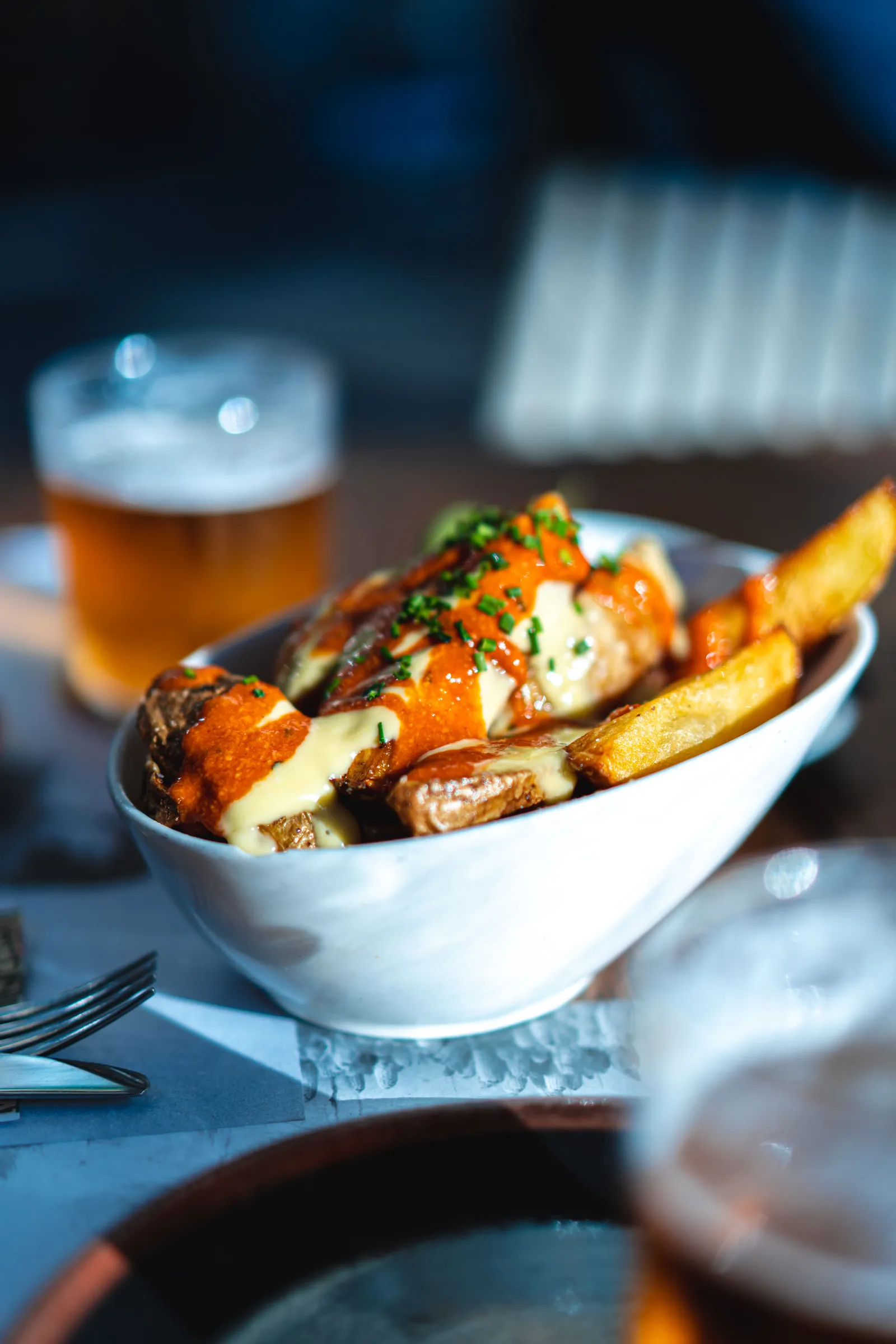
St. Paul is often described as the quieter of the Twin Cities, with old brick streets, a river and the state capitol. It is also home to a large Hmong community, and its food markets, cafes and restaurants make it a good place to eat Southeast Asian food. Here is how the main markets work, which dishes to look for and how to plan a day on University Avenue and in Lowertown.
What are the Hmong markets in St. Paul?
Two large markets are the best known. Hmong Village, on the East Side, is a big indoor market with a row of food stalls. HmongTown Marketplace, in the Frogtown neighborhood, is another large Hmong-owned market with stores and restaurants. Both sell groceries, clothing, textiles and household goods as well as hot food. They are working markets where families shop, so go with curiosity and patience.
What should you eat at Hmong Village?
Look for papaya salad, Hmong sausage, stuffed chicken wings and khao poon, a coconut curry noodle soup. Papaya salad is made to order and can be very spicy, so ask for mild if you are unsure. Hmong sausage is a herbal pork sausage, often grilled and served with sticky rice and a sharp dipping sauce. Stuffed chicken wings are deboned wings filled with noodles and meat. Order a few dishes with friends and share, and ask the cook for a favorite. Sticky rice is eaten with the hands at some stalls, rolled into a small ball and used to scoop up meat and sauce. If you are not sure, watch the next table. Cooks are used to curious visitors and will explain a dish if the line is short. Drinks include sweet iced coffee, bubble tea and fresh sugarcane juice at some stands.
How do the food stalls work?
Stalls are small and often family-run, with a menu on the wall or a board, sometimes in English and Hmong. You order at the counter, pay and wait for your number. Many accept cards, but some prefer cash, so bring some. Seating is shared, so be ready to sit with strangers. Weekends are the busiest and the food runs out at popular stalls, so go early for the best selection. The markets also sell fresh herbs, vegetables and cuts of meat that are hard to find at a supermarket, and a visit makes a good grocery trip if you cook Southeast Asian food at home. Ask about unfamiliar vegetables and how to cook them.
What is Little Mekong on University Avenue?
University Avenue, running through St. Paul, is the heart of an area that Visit Saint Paul calls Little Mekong, a district of Southeast Asian-owned shops, restaurants and markets. You will find Vietnamese, Cambodian, Laotian and Thai businesses along the corridor, in addition to Hmong. The avenue is served by a light rail line, which makes it easy to reach from Minneapolis or downtown St. Paul. It is a good place for a bowl of noodle soup at lunch. Bakeries along the avenue sell Vietnamese sandwiches and pastries, and bubble tea shops are common near the university. Expect a mix of tiny family places and larger restaurants, and check hours, since some close one day a week.
What is the Saint Paul Farmers' Market?
The Saint Paul Farmers' Market is in Lowertown, the historic warehouse district downtown. It is a long-running market selling produce, baked goods, flowers and prepared foods in season, and it is a pleasant weekend stop. Check the market's own page for days and hours, which change with the seasons. Lowertown also has restaurants and cafes in converted warehouse buildings.
How do you plan a St. Paul food day?
A simple route works well.
- Morning: coffee and a pastry in Lowertown, and the farmers market if it is open.
- Midday: lunch at Hmong Village or on University Avenue.
- Afternoon: wander the market's grocery aisles and shops.
- Evening: dinner downtown or on a neighborhood avenue.
A car helps for Hmong Village, which is on the East Side, but light rail serves University Avenue. Parking at the large markets is in open lots, which fill on weekends. If you are visiting in winter, the indoor markets are warm, welcoming places, and a hot bowl of noodles is a good reason to go out in the cold.
What about dietary needs?
Hmong cooking uses a lot of pork and chicken, but vegetable dishes and rice are widely available. Ask about fish sauce, shrimp paste and peanuts, which are common in sauces and salads. For a serious allergy, a market stall with shared surfaces and utensils is not ideal, and a restaurant with a proper kitchen may be safer.
How do you eat respectfully?
These are community spaces, so be friendly, ask before taking photographs of people and thank the cooks. Prices are modest, and a tip at a table-service restaurant is customary, about 18 to 20 percent of the pre-tax total. At a stall, a dollar or two is appreciated but not expected.
How do you keep track of what you ate at the Hmong markets?
Ask a cook what they would eat and look for the stalls with the longest lines of regulars. Then record it. Mosey is a food app for finding, rating and sharing places to eat, and it rates by the dish, so the papaya salad, the Hmong sausage and the bowl of khao poon each keep a score, and a tag can say how spicy it was.
Share your list through an invite link with the friends who came with you, and follow people who shop these markets weekly. Your next visit begins with your own record. St. Paul rewards repeat visits: the same market has different vendors across seasons, and the dish you loved last time may have a new version this time.
Rate the dish you would order again in the Mosey app.
More guides to read next:
- Global food in Minneapolis: Lake Street, Eat Street and the Global Market
- Minnesota foods to try: hotdish, Juicy Lucy, walleye and wild rice
- Where to eat in Rochester, Minnesota: downtown, markets and long stays
More in the US food guides and the ranked lists of places.
Questions
Common questions
What is Hmong Village in St. Paul?
A large indoor market on the East Side with food stalls serving dishes such as papaya salad and Hmong sausage, plus groceries, clothing and household goods.
What is khao poon?
A coconut curry noodle soup, common at Hmong food stalls in the Twin Cities.
What is Little Mekong?
A district along University Avenue in St. Paul with Southeast Asian-owned shops, restaurants and markets.
Where is the Saint Paul Farmers' Market?
In Lowertown, the historic warehouse district downtown. Check its page for days and hours.
Is University Avenue reachable by light rail?
Yes, a light rail line serves the corridor.
Do the market stalls take cards?
Many do, but some prefer cash. Bring some.
More like this
Read next
Cathedral Hill St. Paul Restaurants on Selby Avenue
Cathedral Hill St. Paul restaurants on Selby Avenue: Russian comfort food, an Italian trattoria, a historic patio and a French cafe, with a plan for an evening.
Coffee Shops and Bakeries in St. Paul: Five to Try
Coffee shops and bakeries in St. Paul: a Grand Avenue bread bakery, a French patisserie, a roaster, a West Side pan dulce cafe and a biscuit and pie shop.
Grand Avenue St. Paul Restaurants: Where to Eat
Grand Avenue St. Paul restaurants block by block: a supper club, an Iron Range pasty stop, a flapper pancake breakfast and a cheese shop, plus how to rate each.
Payne Avenue St. Paul Restaurants on the East Side
Payne Avenue St. Paul restaurants on the East Side: a new Latino food hall, a fried chicken sandwich spot and a corner pub with burgers, and how to rate it.
