
City guide
Global food in Minneapolis: Lake Street, Eat Street and the Global Market
Mosey · November 11, 2026 · 5 min read
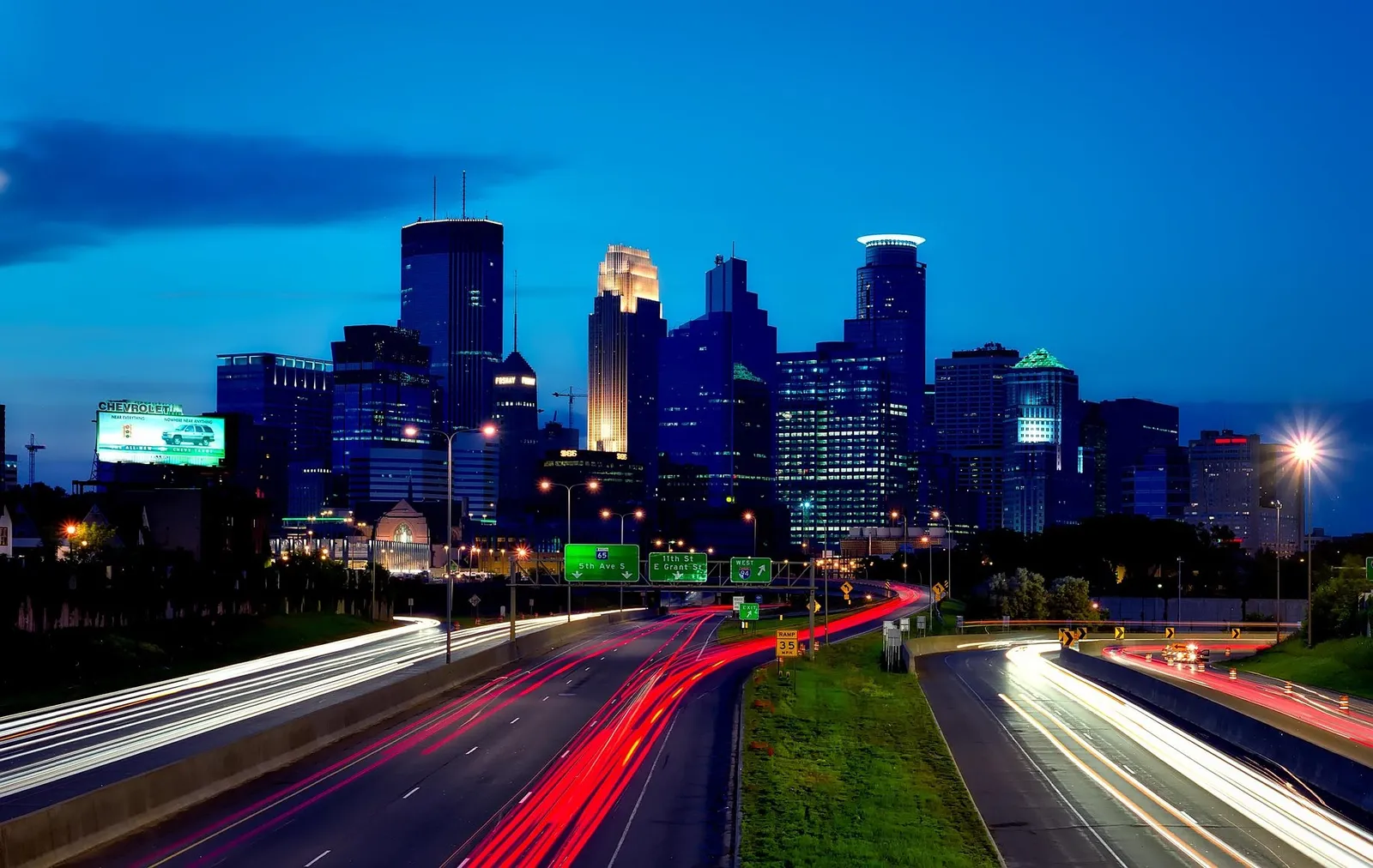
Minneapolis is a city of Scandinavian roots, and a city that has been remade by newer communities. Somali, Mexican, Hmong, Vietnamese, Ethiopian and many other kitchens now feed the neighborhoods of south Minneapolis, and the result is very varied cooking. Here is how to approach three connected areas: Lake Street, Eat Street and the Midtown Global Market. Stalls come and go, so ask what is good and check hours as you go.
What is Midtown Global Market?
Midtown Global Market is an indoor market on Lake Street, in the former Sears building, with dozens of stalls run by immigrant-owned businesses. Mexican and Somali vendors are among the many. It suits a first visit because you can taste several cuisines under one roof. Vendor hours vary, so check the market's own page and arrive well before closing. The market has a central seating area, so you can buy from several stalls and eat together. It also holds events and a Saturday farmers market in season, so check the calendar if you want to combine a meal with shopping for produce.
What is Lake Street like?
Lake Street runs east to west across south Minneapolis, and the stretch around the market is lined with bakeries, taquerias, grocery stores and restaurants serving many communities. It is known for Mexican bakeries and eateries. It is a street to walk with an open mind. Look at what locals are buying, and ask staff for a recommendation. Bakeries often sell items by the piece, so you can build a small tasting for a few dollars. Many shops have signs in Spanish and English, and a smile and a point work well. Weekday mornings are calmer and give you more of the cook's time. The area has been through hard years, and the businesses on it are worth supporting.
What is Karmel Mall?
Karmel Mall, on the south side, is a Somali shopping center. It has bakeries, coffee shops and snack counters selling sambusas, a triangular fried pastry with savory fillings, as well as clothing and goods. Somali food commonly includes sambusas, flatbreads with chicken, rice dishes and noodle dishes with an Italian influence. Ask what the vendor makes that day, and share dishes with friends. Tea and coffee are often spiced, and sweet pastries are made for sharing with a hot drink. The mall is a community space, so be respectful and ask before taking photographs.
What is Eat Street?
Eat Street is a stretch of Nicollet Avenue in the Whittier neighborhood, roughly between 24th and 29th Streets, with many restaurants along about a mile. It is a good place for an evening meal, because you can walk between options and read menus on the door. The mix includes Mexican, Vietnamese, Thai, Middle Eastern and other cooking, and some places are decades old. A food hall on the street also has stalls. Because places come and go, rely on current notes. The street is a good evening walk even if you do not eat, with a mix of older buildings and murals. Parking on side streets is free at many hours, but read the signs, especially for snow emergency rules in winter, which can mean a tow.
How do you plan a day across these areas?
Try this order.
- Start at the Midtown Global Market for a late breakfast or early lunch.
- Walk Lake Street to look at the bakeries and shops, and have a snack.
- Visit Karmel Mall if you want Somali food and are comfortable with a short ride.
- Finish with dinner on Eat Street.
Public transit serves Lake Street and Nicollet Avenue, which makes this a good day without a car. Some stops are a mile or more apart, so wear comfortable shoes. In winter, build in indoor stops and keep distances short. If you are traveling with children, the market's central seating and the bakery stops make a manageable afternoon.
What should you order?
Order shared plates and ask what the vendor is known for. At a Mexican bakery, try the sweet breads and tamales. At a Somali counter, try a sambusa and a plate of rice with meat or vegetables. At a Vietnamese restaurant, try a bowl of pho or a banh mi. At a Middle Eastern kitchen, look for grilled meats, falafel and breads. When a menu is unfamiliar, ask the staff for a favorite dish, a small portion and a cool drink.
How do you eat respectfully?
These are working neighborhoods, so be considerate with photographs, especially of people. Ask before photographing a vendor. Carry cash for small purchases because some stalls prefer it, and tip at table-service restaurants. Many of these businesses are family-run and hours are set by the family, so expect some places to be closed on certain days.
What about dietary needs?
Halal food is widely available, particularly at Somali, Middle Eastern and some South Asian places, but ask each business how it prepares food. Vegetarians will find lentil, bean and vegetable dishes at many counters. For allergies, ask about ingredients, since sauces often contain nuts, sesame or shellfish.
How do you keep track of what is good along Lake Street?
Ask a vendor what sells best and look for lines at lunch. Then keep your own record. Mosey is a food app for finding, rating and sharing places to eat, and it rates by the dish, so the sambusa, the bakery sweet bread and the bowl of pho each earn a score and a tag such as Hidden Gem or Good Portions.
Build a list for the day, share its invite link with the friends who came along and follow people who know south Minneapolis well. Your next visit is easier to plan when the last one is written down.
Rate your best bite from Lake Street in the Mosey app.
More guides to read next:
- Where to eat in Rochester, Minnesota: downtown, markets and long stays
- St. Paul food guide: Hmong markets, University Avenue and Lowertown
- Minnesota foods to try: hotdish, Juicy Lucy, walleye and wild rice
More in the US food guides and the ranked lists of places.
Questions
Common questions
What is Midtown Global Market?
An indoor market on Lake Street in the former Sears building, with dozens of immigrant-owned stalls, including Mexican and Somali vendors.
What is a sambusa?
A triangular fried pastry with a savory filling, common in Somali cooking.
What is Eat Street in Minneapolis?
A stretch of Nicollet Avenue in the Whittier neighborhood with many restaurants along about a mile, serving Mexican, Vietnamese, Thai, Middle Eastern and other cooking.
Is this area easy without a car?
Public transit serves Lake Street and Nicollet Avenue, though some stops are a mile or more apart.
Is halal food easy to find?
Yes, especially at Somali and Middle Eastern places, but ask each business how it prepares food.
Do vendors take cards?
Many do, but some small stalls prefer cash. Carry some.
More like this
Read next
Become a Local Champion in Minneapolis
Become a Local Champion in Minneapolis by rating five places, answering three Top 3 questions and making a list, from the Jucy Lucy to Somali and Hmong food.
Best Pizza in Minneapolis: Styles and How to Judge
Best pizza in Minneapolis is a question of style: tavern cut, Detroit-style, slices and wood-fired pies. How to judge each and how Best in town works.
Brunch in Minneapolis and St. Paul: Twin Cities Guide
A guide to brunch in Minneapolis and St. Paul: lemon ricotta hotcakes, a railcar diner, Swedish pancakes and how to plan a Twin Cities morning, no long wait.
Build Your Minneapolis Weekend Food List
Build a Minneapolis weekend food list in sections for the lakes, Northeast, Lake Street and Cedar-Riverside, add notes, invite friends and reuse it.
