
How to
BYOB restaurants in Philadelphia: how it works and what to bring
Mosey · November 11, 2026 · 6 min read
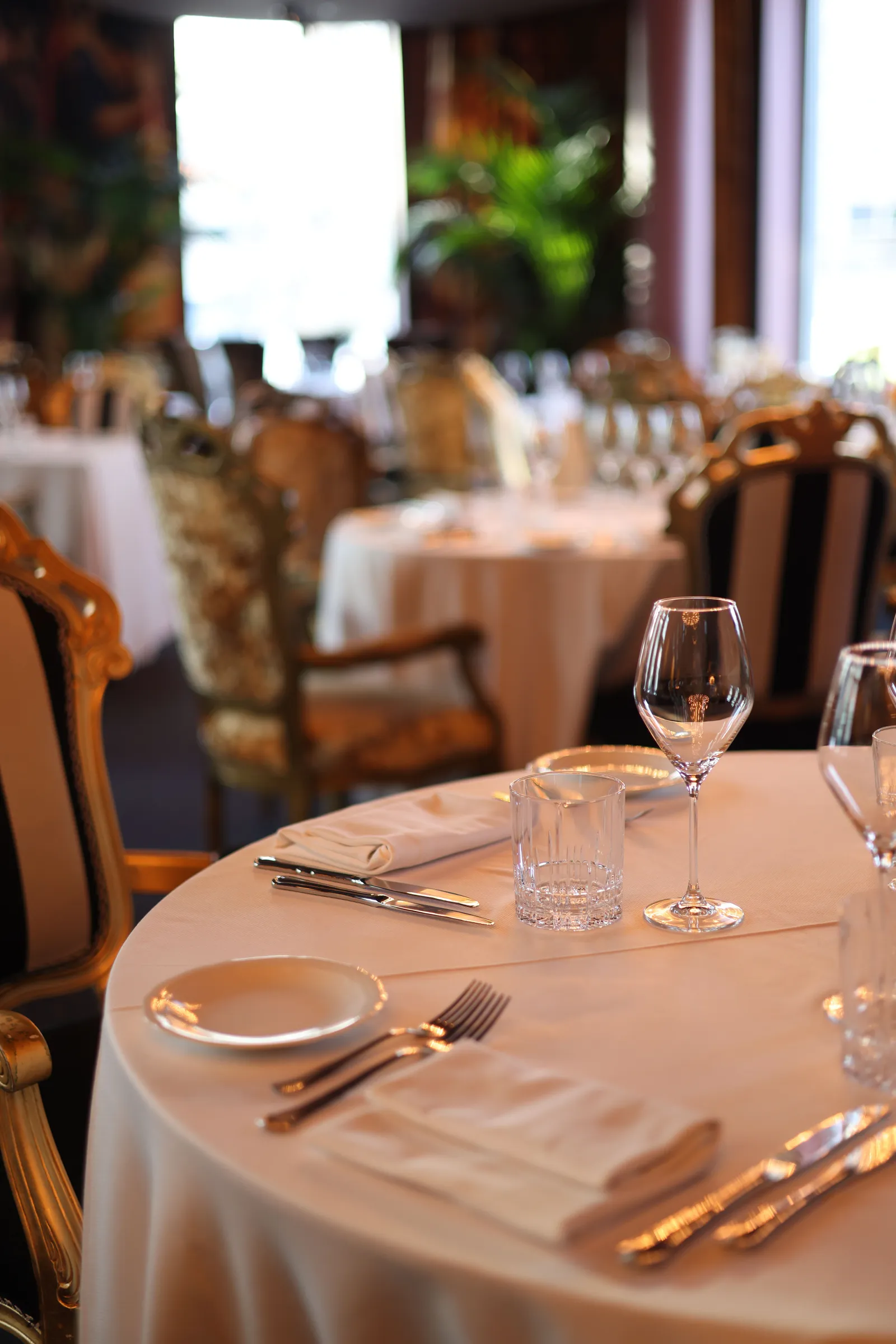
In Philadelphia, a lot of good restaurants have no liquor license, and instead invite you to bring your own bottle. BYOB, for "bring your own bottle" (or beer), is part of how the city eats. If you are visiting, it can surprise you, because you may need to buy wine before dinner. Once you know how it works, it is one of the better things about eating here.
Why are there so many BYOBs?
The reason is the cost of a license. Pennsylvania runs its liquor system through a state board, and licenses for Philadelphia restaurants are capped by a quota. The limit on new restaurant licenses in the city dates back decades and has been reached, so a new restaurant has to buy a license from a previous holder or win one at auction. For a small restaurant in a rowhouse storefront, skipping the license is often the thing that makes the business possible.
What does BYOB mean for you?
You buy wine, beer or a spirit before dinner and carry it to the restaurant. The restaurant provides glasses, an opener, and often an ice bucket. Many places charge a small corkage fee, or none at all, so ask when you book. Corkage, when charged, is usually a flat fee per bottle or per table. Some BYOBs allow only wine and beer, and some do not allow spirits. A few restaurants sell soft drinks, mocktails and sparkling water to fill the gap, and many serve a better non-alcoholic menu than a typical bar.
Where do you buy the bottle?
Pennsylvania is one of the states where the government controls the wholesale trade in spirits and wine, and retail stores selling wine and spirits are run by the state's liquor board. Beer is sold at licensed beer distributors and in some grocery and convenience stores that hold restaurant-type licenses. The state stores keep set hours, and many are closed on Sundays or close early, so do not leave your shopping until the last moment. A neighborhood beer distributor is often the easiest way to buy a six-pack or a larger format.
How do you book a BYOB?
Most BYOBs are small and popular, so a reservation helps, especially on weekends. When you book, ask three questions: Is there a corkage fee? Do you serve any drinks yourselves? Are spirits allowed? Many are cash friendly but take cards. Arrive on time, since the table may be needed by the next party, and bring enough for the group and a bit extra.
A few practical habits make the evening smoother. Put the bottle in a bag before you leave home or the shop, and chill white wine or beer in advance, because many small kitchens have little fridge space and may not be able to cool a bottle for you. If you plan to share with the table, bring a bottle that suits the food: a crisp white for seafood, a light red for pasta, or a beer for something spicy. If the restaurant offers a short list of corkage rules, such as one bottle per couple, follow it, and ask whether glasses are provided. Call a day ahead if you are unsure about anything, because a BYOB is usually a small team that is happy to answer a quick question.
What is the etiquette?
Bring a bottle that you would be proud to share with the table. Offer the server a taste if the bottle is special, which is a courtesy and a way to say thanks. Tip on the value of the meal and think about tipping a little extra for the service of opening and pouring. Do not bring a bottle that the restaurant itself sells if it does have a license. Ask if you are unsure. Open containers on the street are illegal, so carry your bottle in a bag until you are inside.
Is BYOB cheaper?
Often, yes, because restaurant markups on wine are high and you pay retail prices instead. A 20 dollar bottle from a shop is a nicer choice than the equivalent glass on a menu. But factor in the cost of the shopping and the corkage. If you do not drink alcohol, BYOB is not any more expensive, and the menu will often be cheaper than at a restaurant that has to pay for a license.
Are there places with a full bar, and what if you do not drink?
Yes. Larger restaurants, hotels and bars in Center City and elsewhere hold licenses, and you can order a drink as in any city. The prices on those menus may be higher than elsewhere. Check each restaurant's website for a BYOB label; most mention it plainly.
BYOB is not just for wine lovers. Many of these restaurants are small neighborhood kitchens that serve food at a good price, and a table that does not drink alcohol loses nothing. Ask whether the restaurant offers sparkling water, house-made sodas, iced tea or a non-alcoholic pairing. Some places will chill a bottle of juice or soda that you bring. In a mixed group, buy a bottle for those who drink and let the others order from the menu. There is no pressure to bring a bottle, and you will not be turned away for coming without one, though a few places may suggest it.
What about tax and tipping on BYOB meals?
The 8 percent sales tax applies to the meal, and tips follow the usual 18 to 20 percent rule. Because the restaurant does not sell alcohol, the check is usually smaller than in a bar.
How do you keep a list of places worth carrying a bottle to?
A good BYOB is a small kitchen you will want to find again, and the details are what you forget: the corkage fee, whether spirits are allowed, whether it is cash friendly. In the Mosey app, rate the dish after dinner and put those facts in the note, so the list answers the questions before you book. Add a line in the Why it belongs note, such as "bring a crisp white, tables are tight".
Start a list called BYOB nights, send the invite link to the friends you share a bottle with, and follow them to see what they rate and save. Tags such as Date Night, Group Dining and Great Value help you search later for the right room for the right evening. If someone at the table does not drink, rate the non-alcoholic options too, since that is what the next guest will want to know.
On your next BYOB night, rate the first plate in the Mosey app and add the place to the list.
More guides to read next:
- Philadelphia Chinatown food guide: Race Street, dim sum and late night
- Cheesesteaks, roast pork and hoagies: a Philadelphia ordering guide
- Fishtown and Kensington food guide: Frankford Avenue and Girard
More in the US food guides and the ranked lists of places.
Questions
Common questions
What does BYOB mean?
It means bring your own bottle: you carry your own wine or beer to a restaurant that has no liquor license.
Why are there so many BYOB restaurants in Philadelphia?
Restaurant liquor licenses in the city are capped by a quota and are expensive to buy, so many small restaurants skip the license.
Is there a corkage fee at BYOB restaurants?
Some charge a small fee and many do not. Ask when you book.
Can I bring spirits to a BYOB?
Some restaurants allow only wine and beer. Check when you book.
Where can I buy wine in Philadelphia?
Wine and spirits are sold in the state-run stores. Beer is available from beer distributors and some grocery and convenience stores.
Can I drink on the street in Philadelphia?
No. Open containers in public are illegal, so carry your bottle in a bag until you are inside the restaurant.
More like this
Read next
Become a Local Champion in Philadelphia
Become a Local Champion in Philadelphia by rating five places, answering three Top 3 questions and making a list, from sandwiches to pretzels and water ice.
Best brunch in Philadelphia (2026): how to choose and when to go
How to find a good brunch in Philadelphia by neighborhood and style, when to arrive to avoid the wait, and what Pennsylvania rules mean for mimosas and BYOB brunches.
Best restaurants near me in Philadelphia: a neighborhood guide (2026)
Philadelphia has no single best restaurant. Here is the city sorted by neighborhood, kind of meal and budget, with the habits that find a good table right now.
Best Soft Pretzels in Philadelphia, and Water Ice
A guide to the best soft pretzels in Philadelphia and the water ice that follows: how a Philly pretzel differs, which bakeries to visit and how to order.
