
City guide
Philadelphia Chinatown food guide: Race Street, dim sum and late night
Mosey · November 11, 2026 · 6 min read
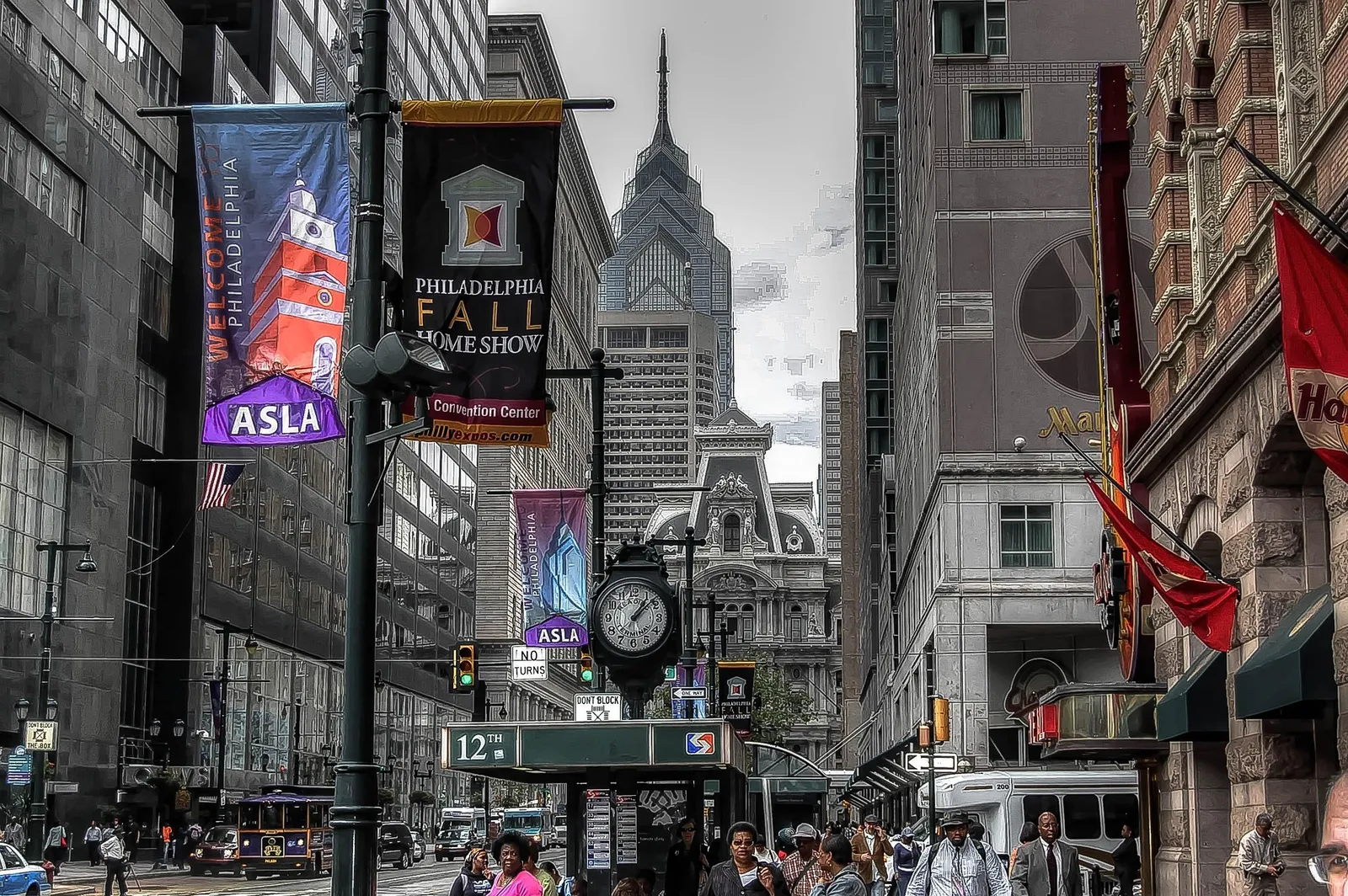
Philadelphia's Chinatown fills a few blocks of Center City, roughly between Arch and Vine Streets and around 9th and 10th Streets, a short walk from Reading Terminal Market and the Convention Center. It is a residential neighborhood as well as a restaurant district, so you will see families, grocery stores, bakeries and herbal shops among the dining rooms. The wider area is sometimes called the city's historic Asiatown, because it includes Vietnamese, Korean, Japanese and other restaurants beyond the Chinese ones.
What is Race Street known for?
Race Street is the main spine. A long-running dumpling house is known for pork soup dumplings and pan-fried dumplings, and other dim sum houses and Sichuan and Hunan restaurants share the street. Race Street is where you walk, look at menus in the windows and choose.
How does dim sum work?
Dim sum is a meal of small plates, traditionally eaten from late morning to mid-afternoon with tea. In some restaurants, servers push carts from table to table and you point to what you want. In others, you tick a paper menu or order from a printed list. Dishes include steamed dumplings, buns, rice rolls, turnip cake and sweet custard tarts. Order a few dishes at a time, share them, and add more as you go. Go with at least three people if you can, so you can try more.
Where do you get a late meal?
Chinatown is one of the few parts of Center City with real late-night choices. Several noodle shops and bakeries keep long hours too. After a show or a game at one of the nearby venues, this is where people go, so expect a line and be patient. A pot of tea at the table is usually offered at the start, and a late meal of noodles, rice plates or a hot pot can feel like the best of the night. If you plan to stay out late, note the last train times, because service on some lines is less frequent after midnight, and ride-hailing prices can rise when the bars close. Check hours before you go, because late opening times differ from restaurant to restaurant, and some places close earlier on Sundays.
What about Vietnamese food and other cuisines?
Philadelphia's Chinatown includes Vietnamese restaurants serving pho, a fragrant rice noodle soup, and banh mi sandwiches, along with Korean, Japanese and Malaysian restaurants. The city's larger Vietnamese and Cambodian community is concentrated in South Philadelphia, along Washington Avenue, but Chinatown offers a convenient taste. Pho is traditionally eaten with fresh herbs, bean sprouts, lime and chili sauce that you add at the table.
What are the practical tips?
Many restaurants are small and busy at lunch on weekends. Come early for dim sum, or expect a wait. Some places accept only cash, or add a small charge for cards, so check the sign at the door. Parking in the area is expensive and limited; the Jefferson Station and 11th Street stations on regional rail and subway lines are close, and the Reading Terminal Market is a short walk. Many menus have a section labeled in English and in Chinese, and servers are happy to explain dishes.
Is it good for dietary needs and groups?
Yes for groups: round tables with a lazy Susan make sharing easy, and a big banquet table is common. For vegetarians, ask for tofu, vegetable and noodle dishes, but know that many sauces contain fish or meat stock. For allergies, shellfish, peanuts, soy and sesame appear in many dishes, and some kitchens use shared oil, so ask directly. Halal restaurants exist in the wider city; check before you go.
What should you eat at the bakeries?
Chinatown's bakeries sell items you may not find elsewhere in the city: pineapple buns, egg tarts, red bean and lotus paste pastries, savory buns filled with barbecued pork, and sweet rolls with coconut. They open early and sell out of the best items by afternoon, so go in the morning. A tray and tongs are provided at many shops, and you pay at the counter. Prices are low, which makes the bakeries a good option for a quick breakfast or a snack between meals. Bring cash for small purchases, and take a box to carry home what you cannot finish. Tea shops and dessert counters nearby serve bubble tea, shaved ice and tofu pudding, and they stay busy in the evening.
How much should you tip?
Follow the standard 18 to 20 percent for table service. At a dim sum restaurant with carts, tip on the total. At a counter, tipping is optional. Philadelphia adds an 8 percent sales tax to restaurant meals. Some restaurants add an automatic gratuity for large groups, so look at the check before you add a tip.
Chinatown rewards a hungry group. Dim sum, noodles and hot pot are all made for sharing, so bring friends, order several dishes and add more as you go. Weekend dim sum fills up from late morning, so arrive early or expect a wait. Some restaurants take cash only or add a small fee for cards, so check the sign before you order. Look at the specials posted on the walls, which are often written in Chinese only, and ask the staff to point out what they recommend. Late hours vary, so confirm before you head out after a show.
How do you remember what you ate when ten dishes arrive at once?
Dim sum is a meal of small plates, which makes it easy to forget the one you loved. In the Mosey app, rate each dish by name, the soup dumplings, the egg tarts, the turnip cake, and tag the friends at the round table so each of you can add your own rating of the same plate. A short note on what came from the cart and what you ordered from the list will help the next trip.
Start a list called Race Street with sections for dim sum, noodles, bakeries and late night, and put the Late Night tag on the noodle shop that saved your evening after a show. If anyone in the group avoids shellfish, peanuts or sesame, the Hide dishes that list filter hides dishes where a place has listed that allergen. A dish with nothing filled in says allergens not listed, so ask the server before it reaches the table.
After your next Chinatown dinner, rate your favorite dish in the Mosey app and share the list with the group.
More guides to read next:
- Fishtown and Kensington food guide: Frankford Avenue and Girard
- Philadelphia's Italian Market and South Philly food guide
- Reading Terminal Market guide: how to eat well and avoid the crowds
More in the US food guides and the ranked lists of places.
Questions
Common questions
Where is Philadelphia's Chinatown?
It is in Center City, around Race Street and 9th and 10th Streets, a short walk from Reading Terminal Market and the Convention Center.
What is Dim Sum Garden known for?
It is a long-running Race Street restaurant known for pork soup dumplings and pan-fried dumplings. It moved to larger premises in 2013.
Can I find late-night food in Chinatown?
Yes, some noodle shops and bakeries keep long hours. Check hours before you go.
What is dim sum?
A meal of small shared plates, such as dumplings, buns and rice rolls, eaten with tea, usually from late morning to mid-afternoon.
Do Chinatown restaurants take cards?
Many do, but some are cash only or charge a small card fee. Look for a sign or ask.
More like this
Read next
Become a Local Champion in Philadelphia
Become a Local Champion in Philadelphia by rating five places, answering three Top 3 questions and making a list, from sandwiches to pretzels and water ice.
Best brunch in Philadelphia (2026): how to choose and when to go
How to find a good brunch in Philadelphia by neighborhood and style, when to arrive to avoid the wait, and what Pennsylvania rules mean for mimosas and BYOB brunches.
Best restaurants near me in Philadelphia: a neighborhood guide (2026)
Philadelphia has no single best restaurant. Here is the city sorted by neighborhood, kind of meal and budget, with the habits that find a good table right now.
Best Soft Pretzels in Philadelphia, and Water Ice
A guide to the best soft pretzels in Philadelphia and the water ice that follows: how a Philly pretzel differs, which bakeries to visit and how to order.
