
Food culture
Latin American food in Miami: Venezuelan, Colombian, Peruvian, Haitian
Mosey · November 11, 2026 · 5 min read
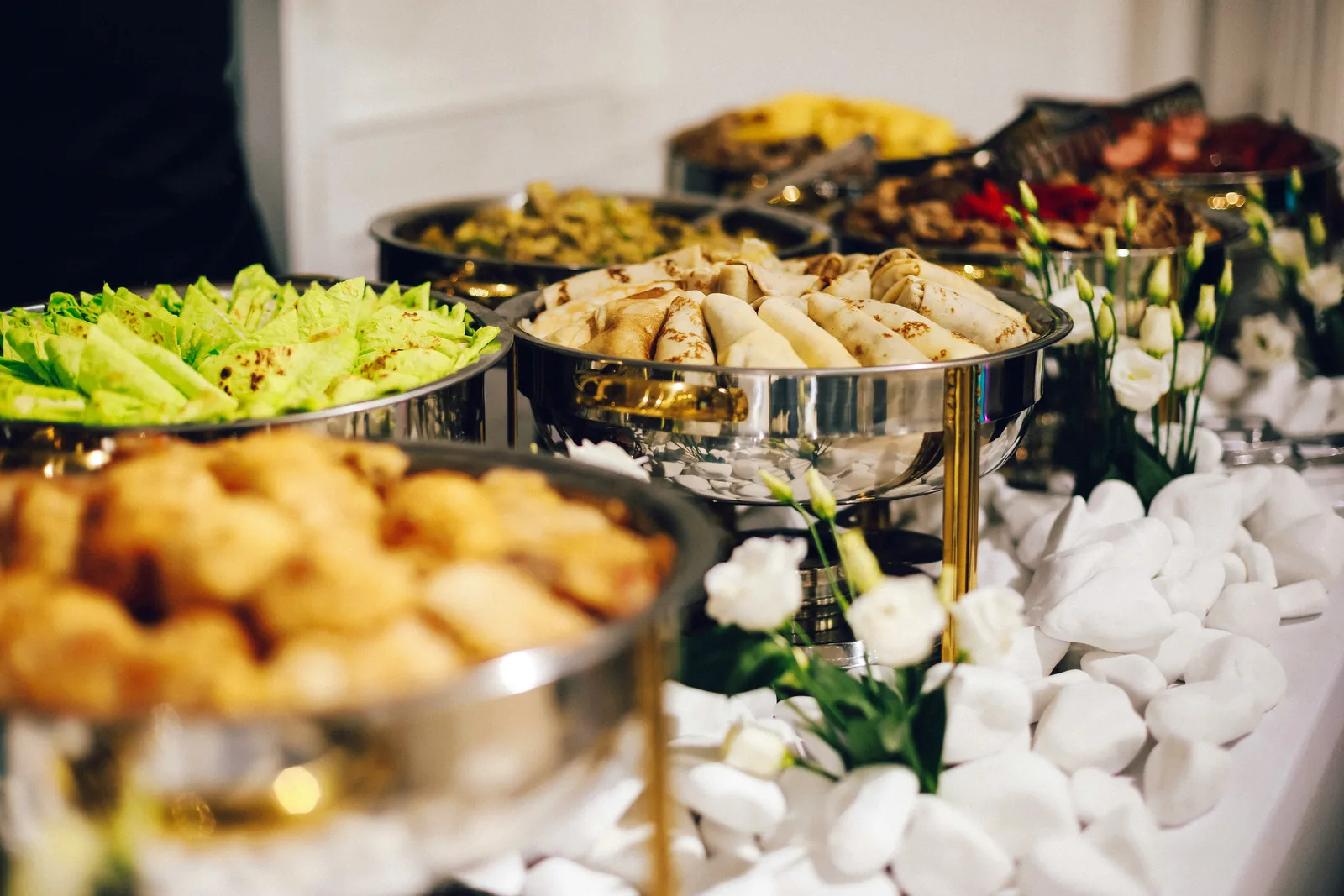
Cuban food is Miami's best-known cuisine, but the city's kitchens reflect immigration from all over Latin America and the Caribbean. Venezuelan arepas in Doral, Colombian bakeries, Peruvian ceviche, Nicaraguan grills in Sweetwater and Haitian cooking in Little Haiti are all part of everyday eating here. Each community has its own neighborhoods and its own dishes worth crossing town for.
Where is Venezuelan food in Miami?
Doral, the city west of Miami International Airport, has a large Venezuelan community, and it is the best place to start. Its strip malls, gas stations and parking lots hide some of Miami's best arepa counters. Doral also has many Colombian, Cuban and Peruvian residents, so you can find arepas, empanadas, ceviche and grilled churrasco within a few blocks of each other.
What to order:
- Arepas: grilled or fried corn cakes split and stuffed with fillings such as shredded beef, black beans and cheese, or chicken and avocado.
- Cachapas: sweet corn pancakes folded around soft white cheese.
- Tequenos: sticks of cheese wrapped in dough and fried, a party snack.
- Pabellon criollo: shredded beef, black beans, rice and fried plantains on one plate.
Doral is a short drive from the airport, which makes it an easy first or last meal of a trip to Miami. Some of its best-loved counters are casual to the point of plastic chairs, so judge them by the food and the crowd at the counter rather than the setting.
What Colombian food should you try?
Colombian bakeries are a weekend morning institution across Miami-Dade. The thing to order is pandebono, a small round cheese bread made with cassava starch, chewy inside with fresh cheese baked through the dough. It is best warm, and bakeries make a lot of it on weekend mornings because it sells out. Colombian restaurants also serve hearty plates such as bandeja paisa, a platter of beans, rice, meat, egg, plantain and avocado, along with empanadas and arepas made in the Colombian style.
Where is the best Peruvian ceviche?
Miami's ceviche is led by its Peruvian restaurants, which range from casual ceviche bars in the suburbs, including Kendall, to upscale dining rooms in Brickell. Peruvian ceviche is raw fish cured in lime juice with onion, chili and cilantro, served with sweet potato and large-kernel corn. Peruvian ceviche in Miami grew with the first wave of Peruvian immigration in the 1980s, and today there are ceviche bars with twenty or more versions on the menu, from classic white fish to octopus and mixed seafood. Look for leche de tigre, the citrusy, spicy curing liquid served on its own in a small glass, and for Peruvian-Chinese dishes such as lomo saltado, stir-fried beef with onions, tomatoes and fries.
What is Nicaraguan food in Miami?
Sweetwater, west of the city, is nicknamed Little Managua for its Nicaraguan community. Follow the smell of grilled carne asada to find fritangas, Nicaraguan grill restaurants serving grilled meats with gallo pinto (rice and beans), fried plantains, fried cheese and cabbage salad. It is filling, inexpensive food, often served cafeteria-style.
What should you eat in Little Haiti?
Little Haiti is the heart of Miami's Haitian community, where Haitian Creole is spoken on the street and many buildings are painted in bright pastels. The Caribbean Marketplace, modeled on the Iron Market in Port-au-Prince, hosts Haitian and Afro-Caribbean arts, crafts, food and music. Dishes to know:
| Dish | What it is |
|---|---|
| Griot | Pork marinated in epis, a Haitian seasoning, braised and then fried |
| Diri ak djon djon | Rice cooked with djon djon, a dried black mushroom from northern Haiti |
| Pikliz | A spicy pickled slaw of cabbage, carrot, onion and hot peppers |
| Fried plantains | Pressed and fried, served alongside most plates |
A plate of griot with diri ak djon djon and a spoonful of pikliz is one of the great meals in Miami. Go easy on the pikliz at first, since it can be very hot.
Where else can you find Caribbean food?
Across north Miami-Dade, Caribbean cooking is everywhere, from Jamaican jerk chicken to Haitian, Trinidadian and Bahamian dishes. Much of it is in small restaurants and bakeries in residential neighborhoods, far from the tourist areas, which is where the cooking is aimed at people from home rather than at visitors.
How do you find the best places?
Many of Miami's best Latin American and Caribbean places are small, family-run spots in strip malls and gas stations with little or no online presence. A few habits help:
- Go where the community eats, in Doral, Sweetwater, Kendall, Little Haiti and across north Miami-Dade.
- Look at what the tables around you ordered, and ask for it.
- Go at the right time: bakeries in the morning, ceviche at lunch, grills in the evening.
- Carry a little cash for small counters, though most take cards.
- Learn a few dish names, since some menus are mostly in Spanish or Haitian Creole.
When you find the arepa or the griot you keep thinking about, Mosey lets you rate that exact dish with a photo and keep it on a list, so you can find it again and share it with friends.
More guides to read next:
- Little Havana food guide: Cuban food and how to order a cafecito
- Where to eat in South Beach without falling into a tourist trap
- Stone crab season in Miami: when it is, and how to eat them
More in the US food guides and the ranked lists of places.
Questions
Common questions
Where is the best Venezuelan food in Miami?
Doral, west of the airport, has a large Venezuelan community and many arepa counters, often in strip malls and gas stations.
What is pandebono?
A small, chewy Colombian cheese bread made with cassava starch. Colombian bakeries sell it warm, especially on weekend mornings.
What is leche de tigre?
The citrusy, spicy liquid used to cure Peruvian ceviche, often served on its own in a small glass.
What is griot?
A Haitian dish of pork marinated in epis seasoning, braised and then fried, usually served with rice and pikliz.
Why is Sweetwater called Little Managua?
Because of its large Nicaraguan community and the many Nicaraguan restaurants and grills there.
What is the Caribbean Marketplace in Little Haiti?
A market hall modeled on the Iron Market in Port-au-Prince, with Haitian and Afro-Caribbean crafts, food and music.
More like this
Read next
Become a Local Champion in Miami
Earn a Local Champion in Miami title by rating five places, answering three Top 3 questions and making a list, from cafecito windows to Haitian tables.
Brickell Lunch Spots and Downtown Miami Eats
Brickell lunch spots range from quick counters to long business lunches. How to plan a weekday lunch in downtown Miami, beat the rush and rate each dish.
Build Your Miami Neighborhood Food List
Build a Miami neighborhood food list: sections for Hialeah, Doral, Little Haiti, Sweetwater and Homestead, a note on every place and friends who can add theirs.
Cheap Eats Near Florida International University
Cheap eats near Florida International University: Latin counters, bakeries and plate lunches in Sweetwater. How students eat on a budget and rate each dish.
