
How to
Gluten-free, vegan, kosher and halal dining in Philadelphia
Mosey · November 11, 2026 · 6 min read
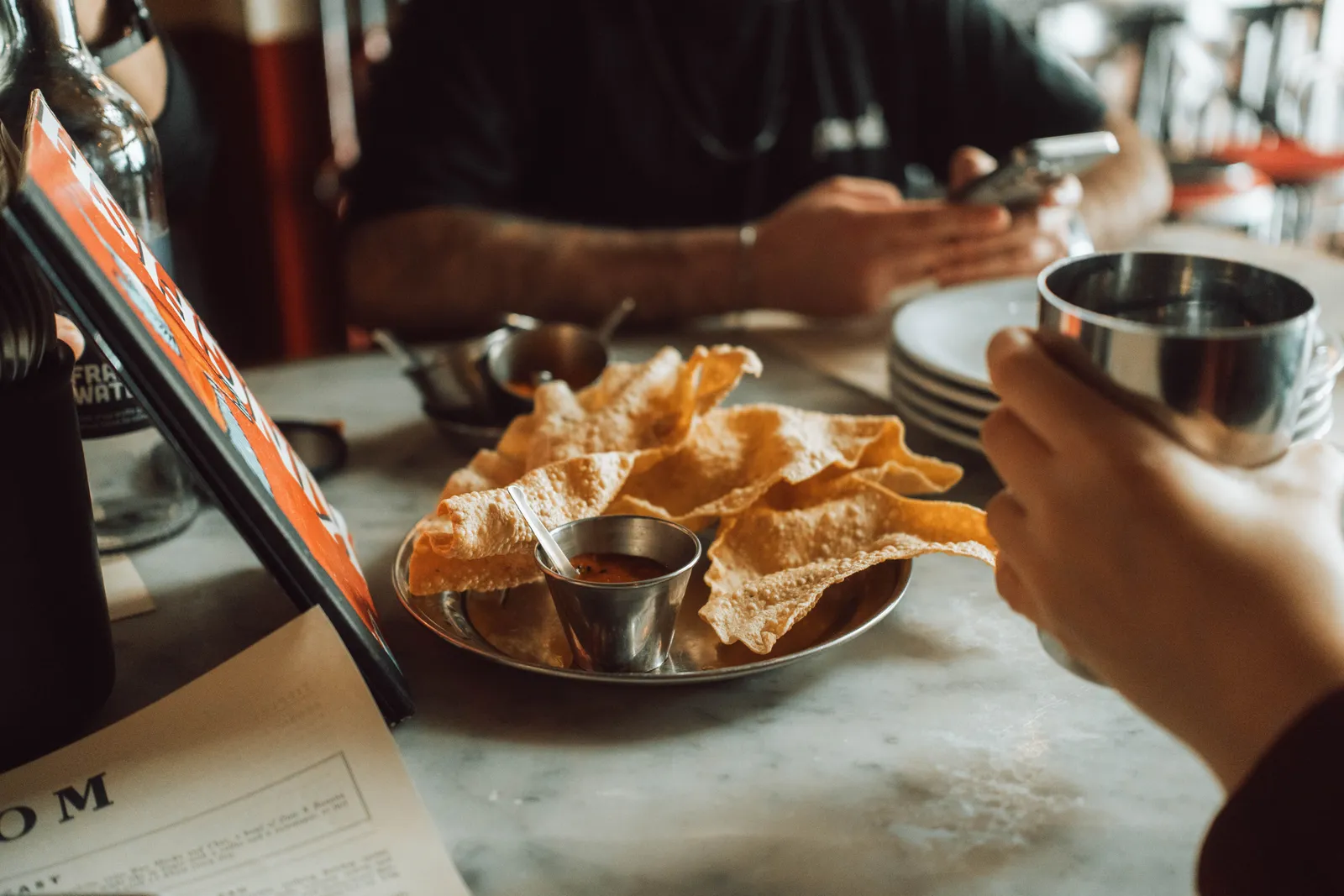
Philadelphia is a large city with many communities, and that helps if you have a dietary need. It also means the answer depends on the neighborhood and the day. Start with the neighborhood, ask the right questions and learn what labels do and do not mean. Kitchens, suppliers and certifications change, and a safe meal depends on what the kitchen does on the day.
How do you find gluten-free food?
Start with cuisines built around ingredients that do not contain wheat. Ethiopian injera made from teff is often mixed with wheat in restaurants, so ask. Mexican food with corn tortillas is a good start, but flour tortillas, fryers and sauces can add gluten. Thai and Vietnamese rice noodles are naturally free of wheat, but many sauces contain soy sauce made with wheat. Bakeries and pizza places that offer a gluten-free item may use the same oven and prep surface, which matters if you have celiac disease. Ask how the kitchen prevents cross-contact and whether staff change gloves and use clean surfaces.
What does the label mean?
Under federal rules, packaged food labeled gluten-free must contain fewer than 20 parts per million of gluten. That rule covers packaged food, and restaurants' menu claims follow their own practice. A restaurant that uses the term should be able to tell you how it prepares the item. If it cannot, treat the claim carefully. A friendly and specific answer is a good sign.
Where is vegan and vegetarian food easy to find?
Philadelphia has a long vegetarian tradition. Neighborhoods near the universities, such as West Philadelphia, and areas such as Center City, Fishtown and South Philadelphia have vegan and vegetarian restaurants and plant-based menus. Ethiopian restaurants offer vegetarian combinations of lentils, split peas and vegetables, particularly in fasting periods. Indian, Middle Eastern and Chinese restaurants have vegan dishes, and Chinatown has vegetarian restaurants run by Buddhist communities. Ask whether dishes use fish sauce, egg, milk or meat stock.
What about kosher food?
Philadelphia has Jewish communities in several neighborhoods, including parts of the Northeast and the suburbs, and kosher groceries, bakeries and restaurants serve them. Kosher certification is issued by supervising agencies, and the symbol on the door or the package tells you which agency stands behind it. Hours may follow the Jewish calendar, with closures on Friday evenings, Saturdays and holidays. A visitor who keeps kosher should call to check certification and hours. Certification status can change, so ask the business for its current certificate.
What about halal food?
Halal restaurants and butchers serve Muslim communities in West Philadelphia, North Philadelphia, the Northeast and Southwest Philadelphia. Many are family-run, and some also serve food from Somalia, Yemen, Bangladesh, Pakistan and other countries. Ask whether the meat is halal and whether alcohol is used in cooking. Some restaurants are halal in every dish, while others offer halal only for certain items. Hours often shift during Ramadan, with late-night iftar meals and quieter days.
How should you talk to a server?
Say your need clearly at the start. "I have celiac disease and need food prepared without gluten" is clearer than "I do not eat bread". Ask what is in a dish, how it is cooked and whether the kitchen can modify it. If the server is unsure, ask for the manager or chef. Be polite and specific, and thank those who take care. If you do not feel safe, you can leave or choose a simple item such as plain grilled fish and vegetables.
What are the major food allergens?
Federal law identifies nine major allergens: milk, eggs, fish, shellfish, tree nuts, peanuts, wheat, soybeans and sesame. Restaurant menus are not required to list them in the way packaged food labels are, but many do so voluntarily. Philadelphia restaurants follow the city's health code, which requires a certified food protection manager and has food safety training requirements. Check the Department of Public Health for current details.
What can you do before you arrive?
Look at the menu online, call in the afternoon when the kitchen is quiet, and book early or late in the evening. Carry a safe snack. If you have a severe allergy, carry your medication and know the nearest hospital. For children, bring an allergy card to hand to the server. Choose a restaurant with a short menu that it makes from scratch, since fewer ingredients make it easier to be sure.
Travelers sometimes find it helpful to carry a printed card that explains the diet in a few lines, in English and in the language of the neighborhood restaurant if they know it. Many Philadelphia kitchens in Chinatown, South Philadelphia and West Philadelphia have cooks who speak a language other than English, and a clear card reduces misunderstanding. Keep it short: the foods you cannot eat, the reason and a request that nothing touch your food. Show it to the server and ask them to show it to the cook.
For a longer stay, locate a grocery store near your lodging and keep safe snacks on hand. A missed meal on a busy sightseeing day is harder than a quick sandwich you trust. Many large grocery stores in the region have gluten-free, vegan and kosher sections, and the staff can point you to the aisles.
How can an app help you eat well with a dietary need in Philadelphia?
Mosey is a food app for finding, rating and sharing places to eat, and its dish filter, "Hide dishes that list", hides dishes where a place has listed an allergen you choose. Place search has no allergen filter on purpose. A dish with nothing filled in says "Allergens not listed, ask the place", which is a reason to ask, not a green light, and Mosey never says that a place or a dish is free of anything.
What the app does well is memory. Rate a dish you ate safely, add the tag that fits, such as Halal or Kosher, and keep those dishes in a list you share with family or friends through an invite link. Following a friend who eats the same way puts their finds beside yours.
The server and the kitchen stay the safety step every time. Rate the dish that worked in the Mosey app so you can find it again.
More guides to read next:
- Philadelphia Chinatown food guide: Race Street, dim sum and late night
- Philadelphia farmers markets: Headhouse, Rittenhouse Square and Clark Park
- Where to eat late at night in Philadelphia: Chinatown, diners and bars
More in the US food guides and the ranked lists of places.
Questions
Common questions
Is it easy to find gluten-free food in Philadelphia?
There are options, but cross-contact varies by kitchen. Ask how the kitchen prepares the dish.
Does gluten-free on a menu have a legal meaning?
The federal rule covers packaged food. Restaurants follow their own practice, so ask.
Where do I find vegan food?
West Philadelphia, Center City, Fishtown and Chinatown have vegan and vegetarian options.
Is kosher food available?
Yes, through certified groceries, bakeries and restaurants. Check certification and hours.
What are the nine major allergens?
Milk, eggs, fish, shellfish, tree nuts, peanuts, wheat, soybeans and sesame.
More like this
Read next
Become a Local Champion in Philadelphia
Become a Local Champion in Philadelphia by rating five places, answering three Top 3 questions and making a list, from sandwiches to pretzels and water ice.
Best brunch in Philadelphia (2026): how to choose and when to go
How to find a good brunch in Philadelphia by neighborhood and style, when to arrive to avoid the wait, and what Pennsylvania rules mean for mimosas and BYOB brunches.
Best restaurants near me in Philadelphia: a neighborhood guide (2026)
Philadelphia has no single best restaurant. Here is the city sorted by neighborhood, kind of meal and budget, with the habits that find a good table right now.
Best Soft Pretzels in Philadelphia, and Water Ice
A guide to the best soft pretzels in Philadelphia and the water ice that follows: how a Philly pretzel differs, which bakeries to visit and how to order.
