
How to
Food Allergies in Los Angeles: A Multi-Cuisine Map
Mosey · November 11, 2026 · 5 min read
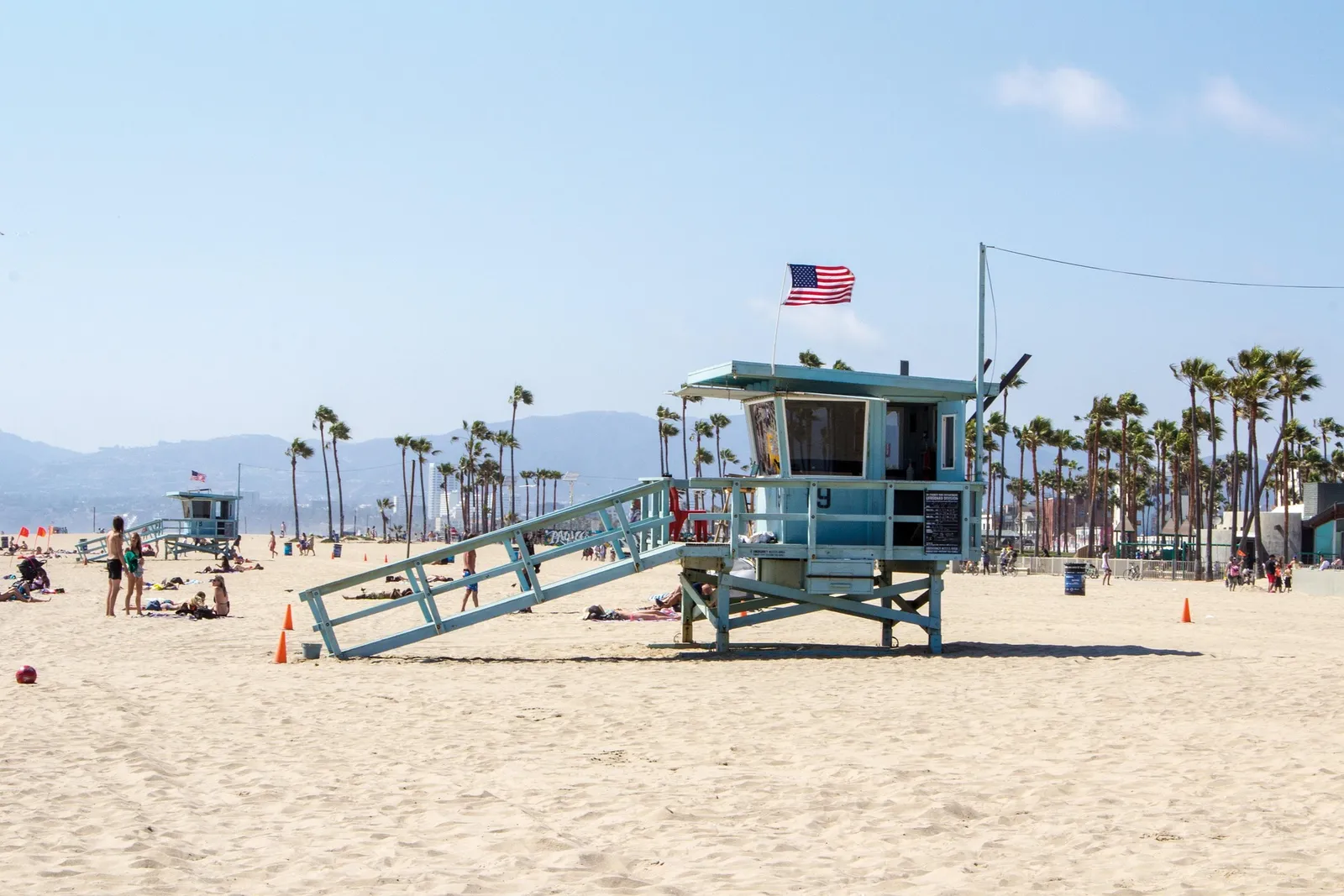
Food allergies in Los Angeles cross many kitchens, because the city holds neighborhoods that each cook a different tradition: Koreatown, Thai Town, Chinatown, Olvera Street and the Chinese communities of the San Gabriel Valley. No single rule fits all of them. This guide offers a map of questions, one cuisine at a time.
How do food allergies in Los Angeles change from one cuisine to the next?
The city recognizes neighborhoods for their communities, from Olvera Street and Chinatown to Little Saigon, Little Tokyo, Thai Town, Little Armenia and Koreatown. Each tradition leans on its own staples. Sesame is common in one, peanuts in another, soy sauce in many, and shellfish in a banquet.
That variety is why a single script does not work. Learn the likely ingredients of the style you are about to eat, then ask about those by name.
What should you ask in Koreatown?
Korean cooking commonly uses sesame oil and sesame seeds, soy-based sauces and fermented pastes, and seafood appears in stews and pancakes. These are general cooking patterns, not facts about any kitchen, so confirm each one. Barbecue marinades often combine soy sauce, which brings soy and usually wheat, with sesame.
At a table grill, ask who cooks the meat and whether the grill surface has been used for something you avoid. Side dishes, or banchan, arrive unasked, so say your allergy before they are set down.
What should you ask in Thai Town?
Thai dishes can use peanuts in sauces and as a garnish, fish sauce and shrimp paste in curries and dips, and coconut in many sauces. Again these are general patterns. Ask whether a sauce is made in house with peanuts, whether fish sauce goes into a dish that looks plain, and whether a wok is shared with a nut-based dish.
Noodle dishes may add crushed peanuts at the end, so ask for the garnish to be left off before the plate is built, not after.
What about regional Mexican food and tacos?
Los Angeles has a wide range of regional Mexican cooking, and regional means many sauces. Moles can be thickened with nuts or seeds, tortillas may be corn or flour, and cheese, cream and crema are common on top. Our taco and taco truck guide covers the styles.
Ask what is in a sauce rather than its name, and ask whether tortillas are warmed on a surface shared with cheese.
What about Chinese food in the San Gabriel Valley?
Chinese communities in Monterey Park, Rowland Heights and Hacienda Heights sit alongside Chinatown. Dim sum, noodles and banquet dishes can involve shellfish, egg, soy sauce, wheat noodles, sesame and peanuts, with sauces and dumpling fillings often made in house. Cooks may reuse a wok or a fryer between dishes.
At a banquet or a rolling cart, the dish arrives before you can ask, so ask the first server for each category. The San Gabriel Valley guide names the styles.
What about Little Tokyo and Little Armenia?
Los Angeles has named communities such as Little Tokyo and Little Armenia. Japanese kitchens use soy sauce, which brings soy and usually wheat, and fish, shellfish, sesame and egg appear across sushi, tempura and noodle dishes. Tempura batter and a shared fryer are worth a question.
Armenian and nearby Middle Eastern tables often feature tahini, which is ground sesame, plus nuts in pastries, yogurt, cheese and breads. These are general patterns to confirm in person, since each family and each kitchen cooks its own way. At a bakery counter, ask whether trays are shared and whether the nuts or seeds sit beside the plain items.
How do you plan an allergy-aware meal in a sprawling city?
Pick one neighborhood and one cuisine for the day instead of hopping between them. Decide your questions before you leave, since each cuisine has its own. If you are with a group, tell them which questions you will ask so nobody orders for you.
Allow time for the answer, because a cook may need to read a label. A calm, specific question earns a better reply than a general one, and a short written note of your allergy can help when a language gap or a loud room gets in the way.
How can the Mosey app help while you plan?
The dish filter, called "Hide dishes that list", is a way to narrow a menu in the Mosey app. Choose the allergens to hide, and any dish a place has listed with one is hidden. A dish with no entry stays, marked "Allergens not listed, ask the place". The control never filters places, and what you choose stays on the phone.
You can rate dishes with a line about the answer, use tags as one diner's view and make a list per neighborhood. A place can declare allergens in its dashboard, one dish at a time.
Where can you read more about Los Angeles?
Try the California page, the Los Angeles page, the US food guides and the ratings and lists pages. Our federal rules guide explains what the rules cover. For a Gulf coast contrast, read the Houston guide to boils and tortillas.
When you eat your way through Los Angeles, use the Mosey app to rate each dish and keep a list of the answers.
Questions
Common questions
Which cuisines in Los Angeles often use sesame or peanuts?
Korean cooking commonly uses sesame oil and seeds, and Thai dishes can use peanuts in sauces or as a garnish. These are general patterns, not facts about any kitchen. Ask what is in the sauce and the garnish, and whether any shared wok or grill is used.
Why is a banquet or dim sum meal harder to manage with an allergy?
Dishes arrive in quick succession and are often made from sauces and fillings prepared in house, so the answer has to come before the plate is set down. Ask the first server about each category, and ask whether shared woks or fryers are used.
What does regional Mexican food mean for allergy questions?
Regional means many different sauces. Moles can use nuts or seeds, tortillas may be corn or flour, and cheese or crema is common on top. Ask what is in the sauce rather than its name, and ask about the surface used to warm tortillas.
Should I ask differently in each Los Angeles neighborhood?
Yes. Each tradition leans on its own staples, so learn the likely ingredients of the style you are about to eat and ask about those by name. A single general question can miss the one ingredient that matters for your allergy.
How can I keep track of food allergy answers in Los Angeles with Mosey?
Mosey is a food app for finding what you like in Los Angeles, rating each dish and keeping shared lists. Note what the cook told you, read tags as one diner's opinion, follow friends with similar needs and send a list by invite link.
More like this
Read next
Best Pastrami in Los Angeles: Delis and What to Order
A guide to the best pastrami in Los Angeles: the classic delis people argue over, how to order a hand-sliced sandwich and what to know about Fairfax.
Best Ramen in Los Angeles: Styles, Areas and How to Order
A guide to the best ramen in Los Angeles: tonkotsu, shoyu, shio and miso explained, where Sawtelle and Little Tokyo fit in, and how to order a good bowl.
Build Your Los Angeles Birria List: A Tasting Method
Build a Los Angeles birria list with a method: what to judge in the meat, the broth and the tortilla, how birria reached the city and how to compare plates.
Date Night Restaurants in Los Angeles: Where to Go
A guide to date night restaurants in Los Angeles: candlelit courtyards, rooftop views, quiet rooms and how to choose a place for an anniversary or first date.
