
Food culture
Tacos in Los Angeles: a guide to taco trucks, stands and styles
Mosey · November 11, 2026 · 5 min read
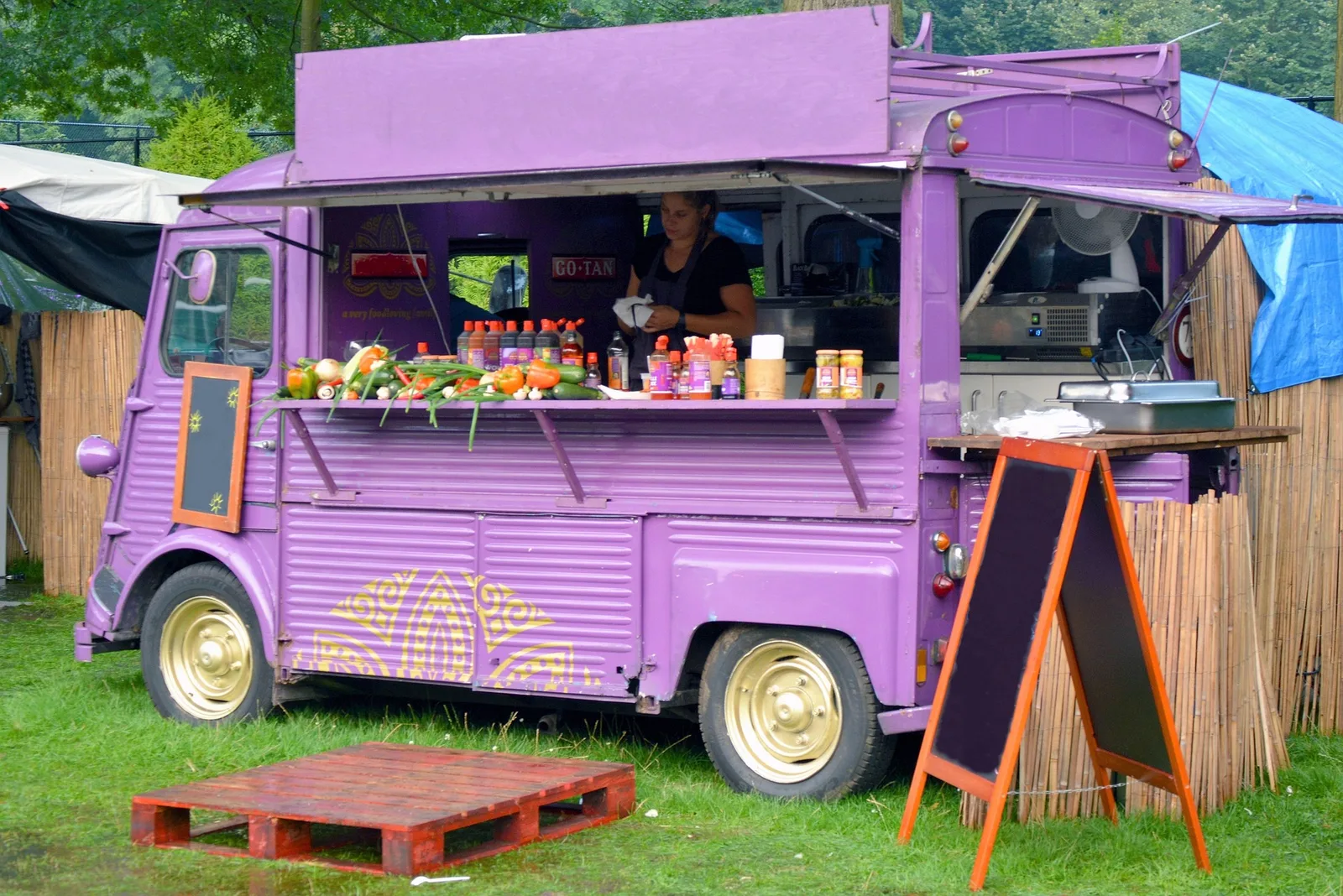
The best tacos in Los Angeles mostly come from trucks, stands and small counters rather than sit-down restaurants. Learn a handful of styles (al pastor, carne asada, birria, mariscos, guisados), look for a truck with a crowd around it, and order two or three different tacos rather than a plate of one. This guide covers how LA taco culture works and how to make the most of it.
Why are taco trucks such a big part of LA?
Taco trucks, often called loncheras, are part of the fabric of the city. They are mostly small, family-run businesses, many of them owned and run by Latino families in their own neighborhoods, and many are registered across Los Angeles. One widely told origin story dates to 1974, when a vendor converted an old ice cream truck into a mobile stand to sell al pastor tacos.
The trucks have had to fight to stay. The rules have changed over the years: California law now limits how cities can ban or criminally penalize sidewalk vending, and Los Angeles runs a permit system with some no-vending zones. Check the city for current rules.
For a diner, the practical result is that you can eat well at a roadside truck, but it pays to look for signs that the operation is in order. Look for a posted health permit or grade, a clean serving window and a cook who handles money and food separately or wears gloves. Ask about any posted rules on cash and cards, since many trucks prefer cash, and a few add a small card minimum. If a truck seems to have moved, the usual explanation is that its spot is only allowed on certain days or hours, so check the truck's social media account before you travel across town.
What taco styles should you know?
| Style | What it is |
|---|---|
| Al pastor | Marinated pork carved from a vertical spit called a trompo, with roots in Mexico City |
| Carne asada | Grilled beef, the most common taco and made very differently from stand to stand |
| Birria | Stewed meat served with a cup of its broth (consomé), from Jalisco by way of Tijuana |
| Mariscos | Seafood tacos, especially shrimp and fish |
| Guisados | Braised and stewed fillings such as tinga or chicharrón, often on thick handmade tortillas |
| Korean tacos | Korean barbecue flavors in a tortilla, a style LA made famous |
Most trucks and stands also offer burritos, quesadillas, tortas and tostadas, but the taco is the thing to judge them by.
How did the Korean taco start?
In 2008 chef Roy Choi and his partners launched Kogi, a truck selling Korean-Mexican tacos topped with caramelized short rib and spicy salsas. It used Twitter to tell fans where it would park next, and Newsweek called it the first viral eatery. The success helped start a wave of chef-driven food trucks across the country. It also says something true about LA: its food is at its best where two communities meet.
Where should you look for good tacos?
Good tacos turn up all over Los Angeles County, but a few areas are known for them:
- Boyle Heights and East Los Angeles, east of downtown, are among the most celebrated areas for trucks, stands and guisado counters.
- South and Southeast LA have trucks parked on the same corners every night.
- The Westside and the beach towns have their share of long-running trucks too.
Trucks keep regular spots more often than you might expect, many of them parking on the same corner at the same hours for years. Hours and locations still change, so check before you go, especially if you are crossing town for a particular truck.
How do you order at a taco truck?
Ordering is quick once you know the rhythm:
- Read the menu board, usually painted or posted on the side of the truck.
- Order at the window, by the number of tacos and the meat for each.
- Say whether you want them with everything, which usually means onion and cilantro.
- Pay at the window, then wait for your name or number.
- Add salsas, limes, radishes and grilled onions or peppers from the salsa bar if there is one.
Many trucks take cards now, but carrying some cash is still sensible, and some stands and carts are cash only.
What is the best time to eat tacos in LA?
Evenings are prime time. Many al pastor trucks fire up the trompo after dark, and late-night tacos after a show or a game are an LA ritual. Breakfast and lunch belong to other things: tacos de canasta, guisados, and seafood stands that sell out by mid-afternoon. Birria is a weekend favorite at many stands.
How do you tell if a taco truck is good?
A few signs are reliable. A line of locals at an ordinary hour is the best one. A trompo turning in the window, a cook pressing tortillas by hand, or a salsa bar that is kept full all count for something too. Trucks in Los Angeles County are inspected like restaurants, so look for the inspection grade posted on the truck.
How do you remember your favorite tacos?
Taco hunting in a city this big is a long project, and it is easy to forget which corner had the great al pastor. On Mosey you can rate the places you ate at and the dishes you ordered, with photos, and keep lists of the trucks worth crossing town for, so you, and the friends you share them with, know exactly what to order next time.
More guides to read next:
- Koreatown Los Angeles food guide: barbecue, soups and late nights
- How to eat your way around Los Angeles without a car
- Los Angeles farmers markets: which to visit and how to shop them
More in the US food guides and the ranked lists of places.
Questions
Common questions
What is a lonchera?
Lonchera is the name often used for a taco truck in Los Angeles. Most are small, family-run businesses.
What is al pastor?
Al pastor is marinated pork cooked on a vertical spit called a trompo and carved to order, a style with roots in Mexico City.
Is street vending legal in Los Angeles?
Yes, with a permit. California law limits how cities can ban sidewalk vending, and Los Angeles runs a permit system. Some areas remain no-vending zones, so check the city.
Where are the best tacos in Los Angeles?
They turn up all over the county, but Boyle Heights and East Los Angeles are among the best-known areas for trucks, stands and guisado counters.
Do taco trucks in LA take cards?
Many do, but carry some cash, because some stands and carts are cash only.
Who started the Korean taco?
The Kogi truck, launched in 2008 by chef Roy Choi and his partners, made Korean-Mexican tacos famous and helped start the modern food truck wave.
More like this
Read next
Best Pastrami in Los Angeles: Delis and What to Order
A guide to the best pastrami in Los Angeles: the classic delis people argue over, how to order a hand-sliced sandwich and what to know about Fairfax.
Best Ramen in Los Angeles: Styles, Areas and How to Order
A guide to the best ramen in Los Angeles: tonkotsu, shoyu, shio and miso explained, where Sawtelle and Little Tokyo fit in, and how to order a good bowl.
Build Your Los Angeles Birria List: A Tasting Method
Build a Los Angeles birria list with a method: what to judge in the meat, the broth and the tortilla, how birria reached the city and how to compare plates.
Date Night Restaurants in Los Angeles: Where to Go
A guide to date night restaurants in Los Angeles: candlelit courtyards, rooftop views, quiet rooms and how to choose a place for an anniversary or first date.
