
Dish guide
Detroit-style pizza: where it started and how to order it
Mosey · November 11, 2026 · 5 min read
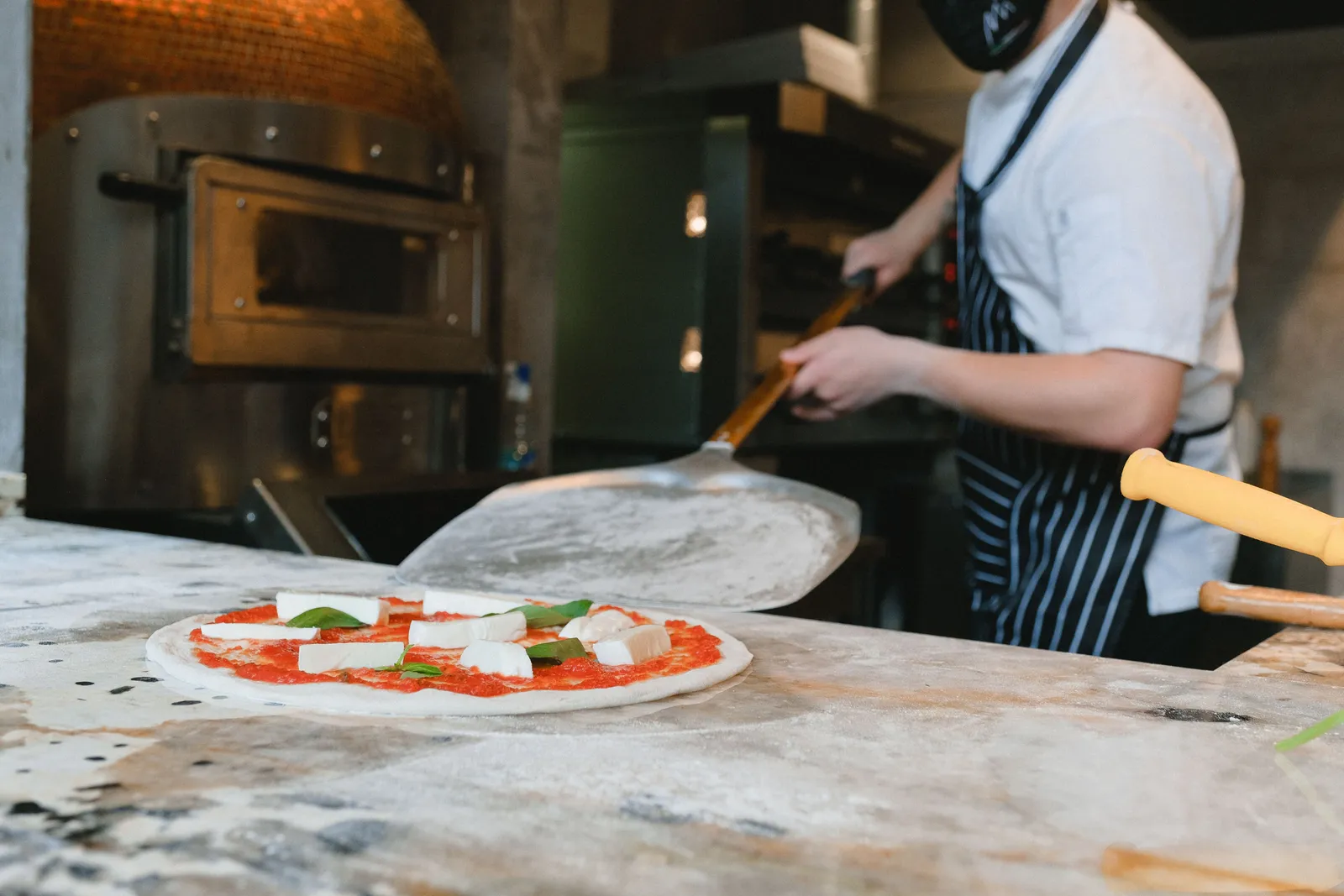
Detroit-style pizza is a rectangle with a crisp, cheesy edge, a thick, airy crust and stripes of tomato sauce spooned on top after baking. It has spread across the country, but it started in one place, and it is best understood where it began. This guide, checked in October 2026, explains the style, its history and how to order it like a local. It does not rank pizzerias. It tells you what to look for.
What is Detroit-style pizza?
It is a pan pizza baked in a deep, rectangular steel pan. The dough is thick and light, with a crumb somewhere between focaccia and bread. Cheese is spread all the way to the edge of the pan, and as it bakes it melts against the hot steel and caramelizes into a dark, crisp border called frico. The sauce goes on last, often in two or three stripes over the cheese. Toppings, usually pepperoni, sit under the cheese.
The cheese is traditionally Wisconsin brick, a fatty, mild cheese that melts well and browns at the edges. Many pizzerias mix it with mozzarella.
Where did Detroit-style pizza start?
Most accounts credit a bar on Six Mile Road and Conant Street on Detroit's east side, which began serving square pizzas in 1946. The bar had been an illegal drinking spot during Prohibition and became a family restaurant after the war. Food writers report that the owners used steel pans originally made to hold small parts in car factories, which gave the style its shape. Accounts differ on the exact origin of the dough, and some credit a family focaccia or a Sicilian recipe. The style has since spread far beyond that bar, and many Detroit-style pizzerias trace their roots back to it.
How is it different from other pizza?
Compared with New York slices, the crust is thicker and softer. Compared with Chicago deep dish, it is lighter, with the sauce on top, not buried. Compared with Sicilian pan pizza, the cheese edge is the signature. It is rich, so a couple of slices is a meal for most people.
What should you order?
- A classic pepperoni, where the pepperoni cups and crisps.
- A cheese pie with extra frico, if the pizzeria offers corner pieces.
- A pie with mushrooms, onions or sausage.
- A small salad or an Italian-style side to balance the richness.
- A cold local beer or a soda.
Ask for a corner piece if you like the crisp edge. If you prefer a softer slice, ask for a middle one.
Where do you find it in Detroit?
The city and the suburbs have many pizzerias that make the style, from old neighborhood taverns to newer shops. Some are in Detroit's east side near the style's birthplace, and others are in Hamtramck, Corktown and the suburbs. Pizzerias differ in thickness, cheese blend and sauce, so try a few. Check the hours first, since small pizzerias may close on a weekday or when the dough runs out.
Can you make it at home?
Yes, with a rectangular steel or hard-anodized pan, a high-hydration dough and brick cheese. Press the dough into an oiled pan, cover it with cubes of cheese all the way to the edge and bake it hot. Add sauce after baking, in stripes. Many home cooks buy brick cheese online or at a specialty store. The first attempt may be a little off, but the edge will be good.
How do you order and eat it?
Many pizzerias sell by the pie, with a small or large size. A small serves two. Takeout is common, and pies travel well. Eat while hot, because the edge softens as it cools. If you have leftovers, reheat in a hot oven for a few minutes to bring back the crisp.
What about dietary needs?
Detroit-style pizza is cheese-heavy and gluten-based, so it is not an easy choice for vegans or people avoiding gluten. Some shops offer vegan cheese or gluten-free crusts, but kitchens share equipment, so ask about cross-contact. Tell staff about allergies when you order.
What sides and drinks go with it?
Because the pizza is rich, locals pair it with something crisp or bitter. A green salad with a sharp dressing works well, as do pickled peppers, olives and giardiniera. Beer is the usual drink, and Michigan's craft breweries make lagers and pale ales that cut the cheese. Soda and root beer are common with kids. Order a side before the pie arrives, so you have something to pick at.
How is the style changing?
Detroit-style has gone from a local specialty to a national menu item, and pizzerias now try new toppings: hot honey, banana peppers, vodka sauce and vegetarian combinations. Some also make thin, tavern-style pizza, another Michigan tradition, cut in squares. If you are curious, ask a local pizzeria what else it makes, and order one of each to compare.
Want to rate the pizza you try?
A few days of square slices can blur together. Mosey is a food-first app where diners find places by dish, mood and neighborhood and rate what they actually ate. A rating for each pie helps you remember which edge was crispest.
More guides to read next:
- Detroit Shipping Company: a guide to the Midtown food hall
- Detroit Eastern Market and coney dogs: a local eating guide
More in the US food guides and the ranked lists of places.
Questions
Common questions
What makes Detroit-style pizza different?
A thick, airy crust baked in a rectangular steel pan, cheese to the edges for a crisp frico border and sauce spooned on top.
Where did it start?
Most accounts credit a bar on Detroit's east side, which began serving it in 1946.
What cheese is used?
Traditionally Wisconsin brick cheese, often blended with mozzarella.
Why is it square?
It is baked in rectangular steel pans, reportedly first made for holding small parts in auto factories.
How many slices make a meal?
Two is enough for most people, since the pizza is rich.
Is there a vegan or gluten-free version?
Some shops offer them, but kitchens share equipment, so ask about cross-contact.
More like this
Read next
Brunch in Detroit: Corktown, Midtown and Downtown
A guide to brunch in Detroit: what each neighborhood does best, Corktown, Midtown and downtown rooms worth a table and how to avoid the wait.
Build Your Detroit Paczki List: A Method
Build a Detroit paczki list with a method: how to judge dough, filling and sugar, what Paczki Day means in Hamtramck and how to share Detroit favorites.
Corktown Detroit Restaurants: A Neighborhood Guide
Corktown Detroit restaurants explained: the Michigan Avenue strip, an early barbecue destination, burgers, Italian food and a walk around the old station.
Detroit Eastern Market and coney dogs: a local eating guide
How to eat at Detroit's Eastern Market on a Saturday, what a coney dog is, how to order one, and how to build a day around the market, downtown and the riverfront.
