
City guide
Pilsen, Chicago: a guide to Mexican food on 18th Street
Mosey · November 11, 2026 · 5 min read
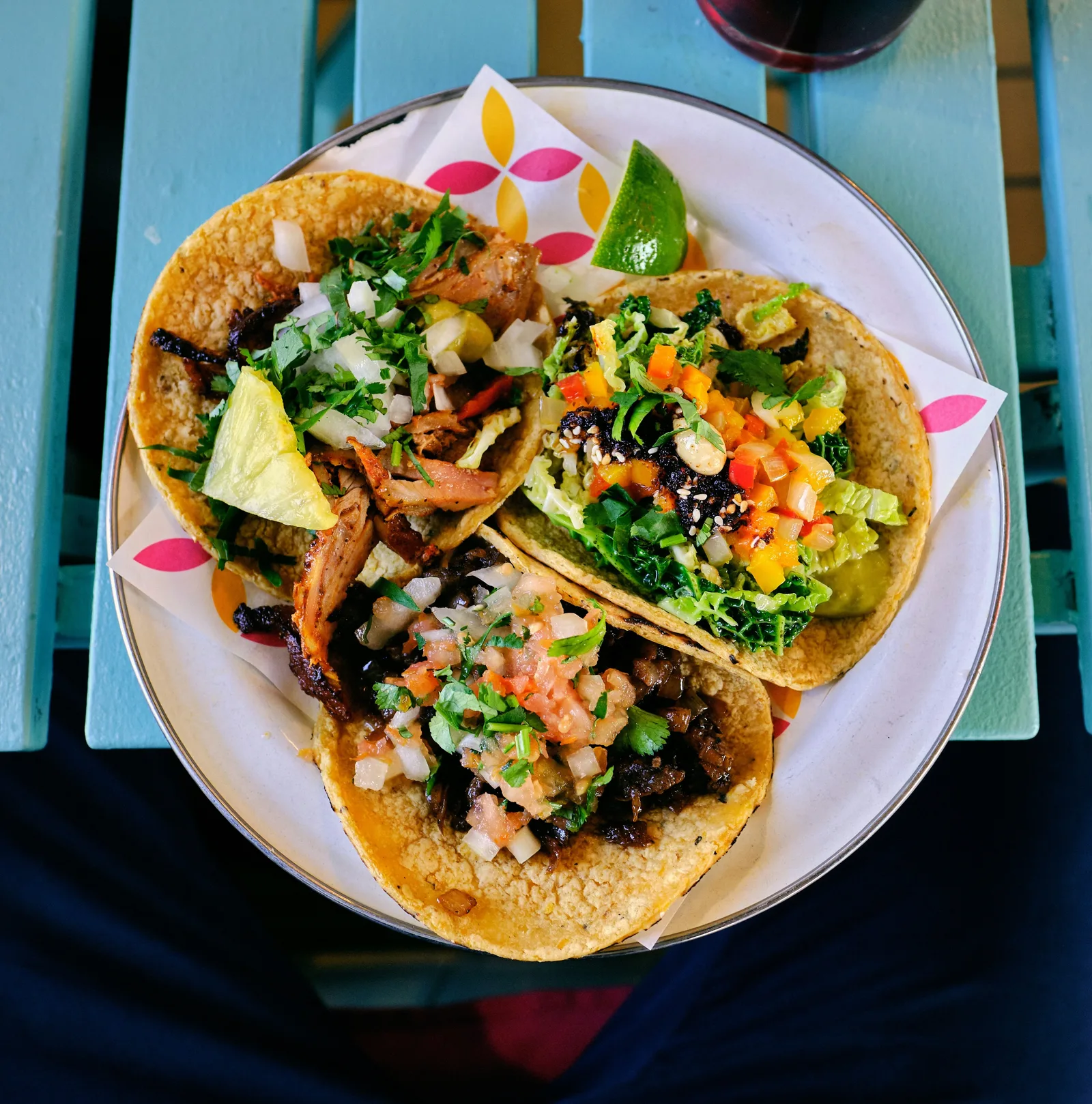
Pilsen, on Chicago's Lower West Side, is the city's best-known neighborhood for Mexican food. Its main street, 18th Street between Halsted Street and Ashland Avenue, is lined with family-run taquerias, carnitas shops, panaderias, coffee shops and murals, and it has been home to a close-knit Mexican community for about half a century. Come hungry and come on foot.
Where is Pilsen?
Pilsen is about four and a half miles southwest of downtown Chicago. The heart of the neighborhood is 18th Street, running roughly from Halsted Street west to Ashland Avenue, with more shops and restaurants on the side streets. The 18th Street station on the Pink Line drops you right in it, and the station itself is covered in murals painted in the 1990s, so the visit starts as soon as you step off the train.
How did Pilsen become Chicago's Mexican neighborhood?
Pilsen was built by successive waves of immigrants: Irish, German and especially Czech, who named the neighborhood after the city of Plzeň in what is now the Czech Republic. Mexican families began settling there in the 1950s, and over the following decades Pilsen became the center of Mexican life in Chicago. Many of the old brick buildings from the Czech era still stand, and the Pilsen Historic District was added to the National Register of Historic Places in 2006.
What should you eat in Pilsen?
| Food | What to know |
|---|---|
| Carnitas | Slow-cooked pork, often sold by the pound with corn tortillas, salsa, onion and cilantro |
| Tacos | From grilled meats to stews, on fresh corn tortillas |
| Tamales | A breakfast and holiday staple, often sold from bakeries and carts |
| Pan dulce | Mexican sweet breads such as conchas from the panaderias |
| Tortas | Mexican sandwiches on soft rolls |
| Coffee and champurrado | Coffee shops along 18th Street, and thick hot chocolate drinks in cold weather |
How do you order carnitas by the pound?
Pilsen is particularly known for carnitas, and the classic way to eat them is family-style. At a carnitas counter you order the pork by weight, often choosing a mix of cuts, and it comes with a stack of warm corn tortillas, salsas, chopped onion and cilantro so you build your own tacos at the table. Ask the counter staff what is good that day; they are used to helping first-timers. Carnitas shops often sell out, so earlier in the day is safer.
What is a panaderia and how do you shop in one?
A panaderia is a Mexican bakery. In most, you pick up a tray and a pair of tongs at the door, choose your breads and pastries from open shelves, and bring the tray to the counter to pay. Look for conchas (round sweet rolls with a crackly sugar topping), cuernos (horn-shaped rolls) and seasonal specialties, such as pan de muerto around the Day of the Dead. It is an inexpensive and fun way to try several things.
What else is there to do in Pilsen?
- The National Museum of Mexican Art, which anchors the neighborhood's cultural life. Check its current hours before you go.
- Murals and mosaics, all along 18th Street and on side streets, many of them reflecting Mexican history and culture. One of the largest, Somos Pilsen at 1113 West 18th Street, was completed in 2021 by the artists Pablo Serrano and Mateo Zapata.
- The 18th Street station, whose corridors and platforms were painted by students led by the Chicago artist Francisco Mendoza in the 1990s, including an image of the Aztec sun and moon stones.
- Galleries and studios, which open their doors during neighborhood art events.
Is Little Village worth adding to a Pilsen visit?
If you have the appetite, yes. Little Village sits a short ride west of Pilsen and is the other heart of Mexican Chicago. Its main street, 26th Street, is a commercial district about two miles long, lined with taquerias, bakeries, grocery stores and shops, and it is one of the city's busiest shopping streets: its sales have been compared to those of North Michigan Avenue downtown. Like Pilsen, it is marked by bright murals. A good plan is pastries and coffee in Pilsen in the morning, then tacos on 26th Street for lunch.
When is the best time to visit Pilsen?
Weekend mornings and afternoons are the liveliest, when the bakeries and carnitas counters are busiest and the street is full of families. Weekday lunch is quieter. Some smaller places close early or on certain days, and hours change, so check before you go.
What should you know before eating in Pilsen?
Pilsen is a residential neighborhood first, not a theme park, and that is what makes it worth visiting. Many places are small, family-owned and casual: you may order at a counter and sit at a shared table. Some smaller shops prefer cash or have card minimums, so carry a little. Speaking a few words of Spanish is appreciated but not required. Like many Chicago neighborhoods near downtown, Pilsen has faced rising rents, and long-running businesses depend on regulars.
The best way to support them is to eat there and tell people about it. On Mosey you can rate the places you visit and the dishes you order, with photos, keep a list of favorite taquerias and bakeries, and follow friends who know the neighborhood.
More guides to read next:
- Logan Square and Wicker Park: where to eat on Chicago's Northwest Side
- Eating in the West Loop and Fulton Market, Chicago
- Chicago deep dish vs tavern-style pizza: which should you order?
More in the US food guides and the ranked lists of places.
Questions
Common questions
Where is Pilsen in Chicago?
On the Lower West Side, about four and a half miles from downtown, centered on 18th Street between Halsted Street and Ashland Avenue.
How do you get to Pilsen by train?
Take the CTA Pink Line to the 18th Street station, which is covered in murals and opens right onto the neighborhood.
What food is Pilsen known for?
Mexican food, especially carnitas, tacos, tamales and pan dulce from the neighborhood's panaderias.
Why is the neighborhood called Pilsen?
Czech immigrants named it after the city of Plzeň in what is now the Czech Republic. Mexican families began settling there in the 1950s.
What is near Pilsen?
The National Museum of Mexican Art is in the neighborhood, and Little Village, with its long 26th Street shopping district, is a short ride west.
Should you bring cash to Pilsen?
It is a good idea. Many places take cards, but some smaller shops prefer cash or have card minimums.
More like this
Read next
Andersonville Chicago Restaurants: A Neighborhood Guide
A guide to Andersonville Chicago restaurants: the Swedish roots on Clark Street, the pancake house and bakery worth a stop and how to plan an easy day.
Argyle Street Chicago Restaurants: Uptown Guide
Argyle Street Chicago restaurants, from the Red Line stop west: how the Uptown strip works, what to eat first and how to keep notes on the dishes you try.
Become a Local Champion in Chicago
Become a Local Champion in Chicago by rating five places, answering three Top 3 questions and making a list, from deep dish to Italian beef and jibaritos.
Best Banh Mi in Chicago: How to Judge a Sandwich
Best banh mi in Chicago starts with the bread. Learn how to judge a Vietnamese sandwich, what the fillings mean and how to rate each one by the dish.
