
City guide
Eating in the West Loop and Fulton Market, Chicago
Mosey · November 11, 2026 · 5 min read
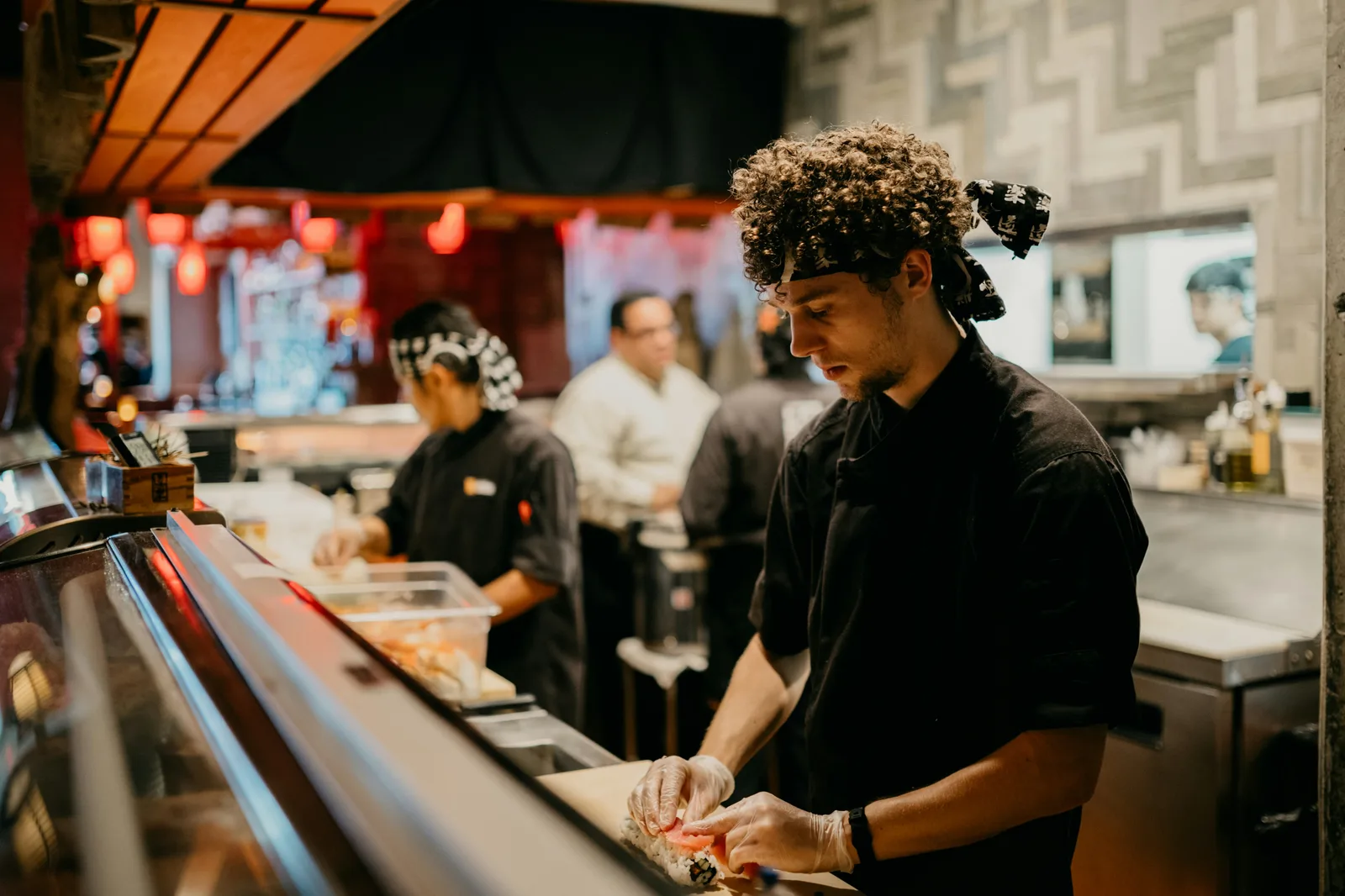
The West Loop, just west of downtown Chicago across the river, is the city's busiest restaurant district. Its two main eating streets are Randolph Street, long nicknamed Restaurant Row, and Fulton Market a few blocks north, where old meatpacking warehouses now hold dining rooms, bars and food halls. It is where Chicago goes for a big night out, and it rewards a little planning.
Where are the West Loop and Fulton Market?
The West Loop sits west of the Chicago River and the Loop, the downtown business district. Fulton Market is its northern section, centered on Fulton Market street itself and the surrounding blocks, with Randolph Street running east to west just to the south. It is close enough to downtown to walk from many hotels, and the elevated train and several bus routes serve the neighborhood, so it is easy to reach without a car.
Why is the West Loop full of restaurants?
Food has been the neighborhood's business for a long time. During the railroad boom of the 1850s, as Chicago became the nation's transportation hub, Fulton Market grew into the center of the city's meatpacking trade, and Randolph Street filled with wholesale produce markets. Bakeries and other food businesses moved in around them, and the warehouses were built with wide loading doors for deliveries.
As those industries left, artists and designers moved into the cheap loft space in the 1980s and 1990s. From the early 2000s developers converted the old warehouses into apartments, offices and restaurants, and the Randolph Street produce corridor became Restaurant Row. Some wholesale food businesses still operate in the area, so you may see delivery trucks parked outside a dining room.
What kind of food will you find there?
Almost everything, at almost every level. The West Loop is known for chef-driven restaurants and long tasting menus, but it also has steakhouses, Italian and Mediterranean dining rooms, sushi counters, taquerias, ramen shops, bakeries and coffee bars, along with food halls where you can try several kitchens in one stop. Many of the city's best-known chefs have opened restaurants here, and new places open often.
| If you want | Look for |
|---|---|
| A special-occasion dinner | Tasting menus and chef's counters around Randolph and Fulton Market |
| Something casual | Food halls, taquerias and sandwich counters on the side streets |
| Brunch | Weekend brunch is a big deal here, and lines form early |
| Drinks before or after | Cocktail bars, wine bars and rooftop bars throughout the district |
Do you need a reservation in the West Loop?
For popular restaurants on a Friday or Saturday night, usually yes, and the most sought-after tables are often booked weeks ahead. On weeknights you have more luck walking in, especially if you are happy to eat at the bar or arrive early. Many places hold some seats for walk-ins, so it is worth asking even when online booking shows nothing.
How expensive is eating in the West Loop?
It is one of the more expensive neighborhoods to eat in Chicago, with tasting menus at the top end. But a meal there does not have to be a splurge: lunch counters, food halls and casual spots keep it accessible. Note that much of the West Loop falls inside the downtown district where Chicago charges a higher restaurant tax than in most neighborhoods, so the check will show a bit more tax than elsewhere in the city. Rates change, so check before you go if you are budgeting closely.
How do you plan a night in Fulton Market?
Start early or start with a drink. Many people book a 6 or 6:30 dinner and then move to a bar, or have a cocktail first and eat later when the dining rooms are calmer. The streets between Randolph and Fulton are easy to walk, so it is simple to have a snack in one place and dinner in another. On warm evenings, sidewalk patios fill up fast.
Is the West Loop good for brunch and lunch?
Very. Weekday lunch in the West Loop is busy with office workers, so counters move quickly and prices are lower than at dinner. Weekend brunch is popular enough that lines are normal at the best-known spots; arrive at opening or be ready to wait. Bakeries and coffee shops in the area are a good way to try the neighborhood without committing to a full meal.
What does the West Loop look like today?
Walking the district, you can still read its industrial past in the buildings. Many of the old market shops and warehouses kept their brick walls, decorative terra cotta facades and the large doorway openings that once took in deliveries of meat and produce. Today those same openings are often the fronts of restaurants and patios, thrown open in warm weather so the dining rooms spill onto the sidewalk. Upstairs, former storage floors have become lofts and offices, which is why the streets stay busy at lunchtime as well as at night.
The mix is part of the appeal. A wholesale food business can sit on the same block as a tasting-menu restaurant, a gallery and a hotel bar, and the neighborhood keeps changing as new buildings go up. If you visited a few years ago, expect plenty of places you do not recognize.
With so many new restaurants opening and closing, the most useful guide is recent experience. On Mosey you can rate the places you ate at and the dishes you ordered, with photos, save lists of places to try and follow friends whose taste you share.
More guides to read next:
- Logan Square and Wicker Park: where to eat on Chicago's Northwest Side
- Chicago deep dish vs tavern-style pizza: which should you order?
- Chicago Italian beef and hot dogs: what they are and how to order
More in the US food guides and the ranked lists of places.
Questions
Common questions
What is Restaurant Row in Chicago?
The nickname for Randolph Street in the West Loop, a former wholesale produce corridor now lined with restaurants and bars.
Why is it called Fulton Market?
Fulton Market was the center of Chicago's meatpacking and wholesale food trade. The name stayed as the old warehouses became restaurants, offices and apartments.
How do you get to the West Loop?
Walk west from the Loop across the river, or take the elevated train or a bus. It is close to many downtown hotels.
Do you need reservations in the West Loop?
For popular places on weekend nights, usually yes. Weeknights and bar seating are easier for walk-ins.
Is the West Loop expensive?
It is one of the pricier areas, with tasting menus at the top end, but food halls, counters and lunch spots keep it affordable.
Is there a higher tax on restaurant meals in the West Loop?
Much of the West Loop is inside the downtown district where Chicago adds a higher restaurant tax. Rates change, so check before you go.
More like this
Read next
Andersonville Chicago Restaurants: A Neighborhood Guide
A guide to Andersonville Chicago restaurants: the Swedish roots on Clark Street, the pancake house and bakery worth a stop and how to plan an easy day.
Argyle Street Chicago Restaurants: Uptown Guide
Argyle Street Chicago restaurants, from the Red Line stop west: how the Uptown strip works, what to eat first and how to keep notes on the dishes you try.
Become a Local Champion in Chicago
Become a Local Champion in Chicago by rating five places, answering three Top 3 questions and making a list, from deep dish to Italian beef and jibaritos.
Best Banh Mi in Chicago: How to Judge a Sandwich
Best banh mi in Chicago starts with the bread. Learn how to judge a Vietnamese sandwich, what the fillings mean and how to rate each one by the dish.
