
City guide
Central Avenue, Melrose and Arcadia: Phoenix restaurants by neighborhood
Mosey · November 11, 2026 · 5 min read
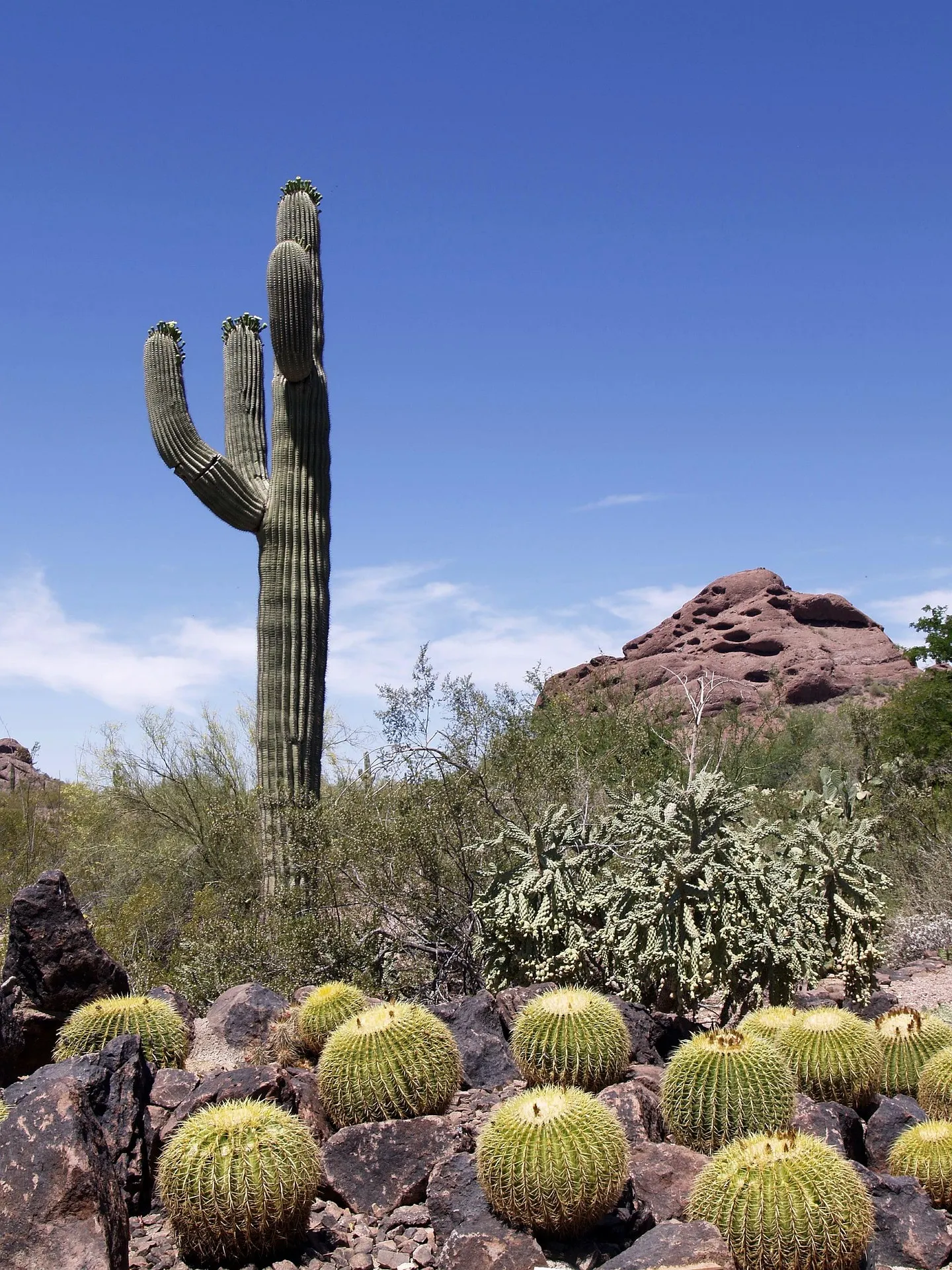
Phoenix is a spread-out city, and the best way to eat well in it is to choose a neighborhood and stay in it. The central corridor north of downtown rewards that approach: Central Avenue between McDowell Road and Camelback Road, the Melrose District along Seventh Avenue, the Biltmore area, and Arcadia to the east, where many restaurants are packed into a small area.
What is the Central Avenue corridor?
The Central Avenue corridor runs north from downtown, roughly from McDowell Road to Camelback Road, and is the city's historic spine. The light rail runs along it, which means diners can reach restaurants without a car. The stretch holds sandwich shops, Asian fusion kitchens, a French-inspired restaurant and old-school steakhouses that have served the city for decades. Old mid-century buildings, shaded patios and courtyards give the street character.
What is Melrose?
The Melrose District, along Seventh Avenue, is better known for vintage shops, boutiques and bars, but it also has cafes and a few restaurants. The mix makes it a good place for an afternoon: shop, then have a late lunch or a drink on a patio. Many of the buildings are low and colorful, with murals, and the sidewalks are walkable in cool weather.
What about the Biltmore?
The Biltmore area, around the Arizona Biltmore resort and the Biltmore Fashion Park mall, is the polished, upscale end of the central corridor. Restaurants here are often national or regional groups, with patios, bars and large dining rooms, and there are several high-end steakhouses and Italian restaurants. It is convenient for hotel guests and shoppers, and busy with business dinners during the week. Parking is easy in the mall lots.
What is Arcadia known for?
Arcadia is a residential neighborhood known for its citrus-shaded lots and its restaurant cluster around 40th Street and Camelback Road. The dinner scene runs from raw bars and American restaurants to steakhouses and casual beer-centered hangouts, all within arm's reach. A popular cafe serves breakfast and lunch, and the neighborhood is busy for brunch on weekends. Because it is residential, restaurants are small and parking is tight, so book ahead and expect a wait for brunch.
Which of these areas is best for a first visit?
For a first visit, the Central Avenue corridor and Melrose are the easiest, because the light rail serves them and the restaurants are varied. Arcadia suits a second visit when you want a specific brunch or dinner and have a car. The Biltmore suits a business trip or a hotel stay. If you only have one meal, pick the neighborhood nearest your hotel and ask the front desk where locals eat; Phoenix is large, and the best restaurant is often the closest good one.
How do you plan a day across these areas?
A good day might begin with breakfast at a cafe on Central, a stroll through Melrose, lunch at a counter-service restaurant on Central, and an early dinner in Arcadia. Because distances are large, use the light rail for the Central corridor and a ride or a car for Arcadia, which is not on the line. In summer, choose indoor tables and short walks; from October to April, patios are the best seats in the house.
Do you need a reservation?
On weekends, yes at many restaurants in Arcadia and the Biltmore, and for brunch at popular cafes. On weekday evenings, walk-ins are usually fine. Spring training in March and big events fill restaurants across the Valley, so book earlier in those weeks. Check whether the restaurant offers a waitlist by phone.
What does it cost and what is on the check?
Prices run from moderate at the cafes to high at the steakhouses. Arizona restaurants add the transaction privilege tax to the check; the total depends on the city and county, so check the Arizona Department of Revenue's rate table or the city's tax page. Tip 18 to 20 percent of the pre-tax total for table service. Valet parking at upscale restaurants is separate from the meal and from the tip.
What about dietary needs and children?
The area is accommodating. Vegetarian, vegan and gluten-free menus are common, and families are welcome at most cafes and casual restaurants, with children's menus at many. For allergies, tell the server and ask how the dish is prepared. For strollers, check the patio layout.
What should you know about heat and timing?
Between May and September, plan meals for the cooler parts of the day, and take advantage of the cool interiors. In winter, the best patio seats fill first, so arrive early for a table outdoors. Snowbird season, from roughly January to April, brings full restaurants and longer waits.
Phoenix is large, so plan around heat and distance. In summer, book a table indoors or on a shaded patio and park close, and in winter and spring, expect busy patios and longer waits at weekends. Use the light rail for the Central Avenue corridor, and a car or ride for Arcadia. Check a restaurant's hours before you go, because many close between lunch and dinner or on a weekday, and carry water on any walk. Weekday dinners are the easiest time to try a popular place.
How do you keep a Phoenix neighborhood list that stays useful?
Phoenix is big enough that a neighborhood list beats a city list. In the Mosey app, make one list for the Central Avenue corridor, one for Melrose and one for Arcadia, rate the brunch dish or the steakhouse dinner by name, and add a tag such as Outdoor seating or Worth the Wait. Share the lists with the friends you eat with, and they can add the table they loved. Follow friends who live in the Valley and you will see where they send visitors.
Rate your next Phoenix brunch or dinner in the Mosey app and add it to your neighborhood list.
More guides to read next:
- Cheap eats in Phoenix, Arizona under $15: tacos, hot dogs and more
- Roosevelt Row and downtown Phoenix: food guide, First Friday and more
- Best breakfast and brunch in Phoenix: burritos, patios and waits
More in the US food guides and the ranked lists of places.
Questions
Common questions
Is the Central Avenue corridor on the light rail?
Yes. Valley Metro light rail runs along Central Avenue, so many restaurants can be reached without a car.
What is Arcadia known for?
A residential neighborhood near 40th Street and Camelback with a dense cluster of restaurants, a popular brunch scene and tight parking.
What is the Melrose District?
A stretch of Seventh Avenue known for vintage shops, boutiques, cafes and bars.
Do I need a reservation for brunch in Phoenix?
At popular spots on weekends, often yes or expect a wait. Weekday brunch is easier.
What is the restaurant tax rate in Phoenix?
Look up the restaurant and bar rate for the address on the Arizona Department of Revenue rate table or the city's tax page. It differs from retail rates.
When is Phoenix busiest for restaurants?
From January to April, with snowbirds and spring training, and on holiday weekends.
More like this
Read next
Eating out in Arizona: summer heat, winter visitors and spring training
Arizona restaurants run on two seasons. How to eat out in 110 degree summers, when winter and spring training crowds make reservations essential, and how to time patios, misters and late dinners.
Best Pizza in Phoenix: Neapolitan, Wood Fired and Slices
A guide to the best pizza in Phoenix: the Neapolitan pizzerias guides name, wood-fired ovens, slice shops and how to plan around desert heat and weekend waits.
Cheap eats in Phoenix, Arizona under $15: tacos, hot dogs and more
How to eat well in Phoenix for $15 or less: Sonoran hot dogs, tacos, fry bread, bakeries and lunch deals, how to read a menu, what tax is added, and when the heat changes your plans.
Date Night Restaurants in Phoenix and Scottsdale
A guide to date night restaurants in Phoenix and Scottsdale: leafy patios, candlelit rooms, rooftop views and tips for timing an evening around the desert heat.
