
Dish guide
Best Posole in Santa Fe: Where to Start
Mosey · November 11, 2026 · 5 min read
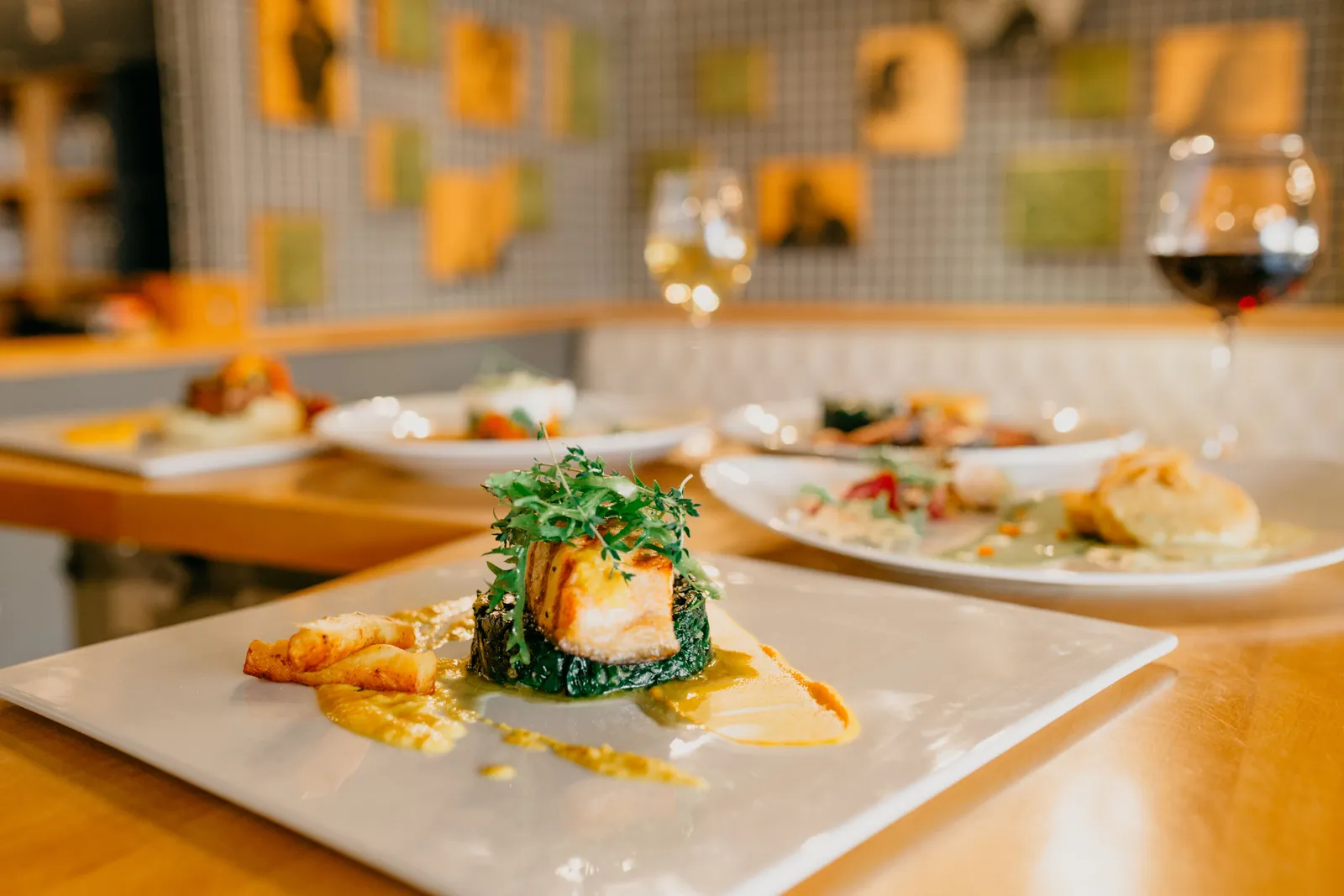
The best posole in Santa Fe is a bowl you eat slowly: hominy, tender pork and a broth the color of brick, with cabbage, radish and lime on the side. In a city that takes its chile seriously, posole shows the cook's hand, because there is nowhere to hide. Answer red or green, or say Christmas.
What is posole, and what makes the best posole in Santa Fe?
Posole (also spelled pozole) is a New Mexican stew of hominy, which is dried corn treated with lime until it swells and softens, simmered with pork and chile. The hominy should be tender with a little chew, the pork should fall apart and the broth should taste of the chile and the meat, not of salt. It is a holiday dish in many New Mexican families, often served on Christmas Eve and New Year's Day.
A good bowl comes with garnishes: shredded cabbage, sliced radish, chopped onion, dried oregano and lime. Use them. They turn a rich stew into something bright.
How does the Santa Fe red chile and green chile choice work?
Ask for a bowl and a server in New Mexico may ask "red or green?" Santa Fe red chile is made from dried red chiles, ground or blended into a smooth, earthy sauce. Green is made from fresh roasted chiles, and it tastes sharper and more vegetal. "Christmas" means both. Posole is often cooked with red chile, though some kitchens offer green.
Taste the broth before you add anything. If you want heat, ask for the chile on the side, since heat levels vary from year to year and from kitchen to kitchen.
Where do you find a good bowl of posole?
Posole shows up all over town: as a starter or a side with any entree, topped with red chile pork and a tortilla, in a vegetarian version and as a red and green chile bowl at a hotel saloon. Check that a place is open before you go.
Ask a server what the kitchen cooked that morning, since good posole tastes best on the day it is made.
What is Santa Fe Plaza food like?
Santa Fe Plaza food mixes old and new. Around the central square you will find long-standing New Mexican restaurants, shops with local chile products and cafes that serve breakfast burritos and huevos rancheros. A Plaza restaurant is a long-running favorite, with sopaipillas stuffed with beef and smothered in red and green chile.
Walk a block or two away from the square and prices and crowds drop. The Albuquerque breakfast burrito guide covers the other end of the same chile belt.
What are Santa Fe sopaipillas, and how do you eat them?
Santa Fe sopaipillas are puffed pillows of fried dough that arrive hot and hollow. Eat them one of two ways. With a savory meal, tear a corner and pour honey inside, or use the bread to scoop stew. At some restaurants a stuffed sopaipilla is the main dish, filled with beans, meat and cheese and covered in chile. A restaurant next to the Railyard is named by a guide for stuffed sopaipillas and combination plates, with a claim of service since 1974 that is worth checking, and a second restaurant's menu includes them too.
If the bread arrives with a bowl of posole, tear off a piece, drizzle honey and use it to cut the heat.
Where does the Shed fit in?
The Shed is one of the oldest names in Santa Fe red chile. A weekly's old best-of list named its red chile sauce the city's best, and a Santa Fe Reporter writer noted that it serves garlic bread, not sopaipillas, to soak up the sauce. That list is old, so check whether the kitchen is open and what it serves now.
Use it as a lesson: in New Mexico, the bread on the table tells you something about the cook's tradition.
What is a New Mexico stew beyond posole?
A New Mexico stew can also mean green chile stew, a thick pot of roasted green chile, pork and potato, eaten with a flour tortilla. The two dishes are cousins: hominy and red chile in one, potato and green chile in the other. If you see both on the menu, order a cup of each and compare.
Some kitchens serve stew as a side with an enchilada plate. Ask for the smaller size so you can taste more dishes.
How do you plan a Santa Fe food day?
Start with a breakfast burrito or huevos rancheros, walk the Plaza, then eat posole for lunch. Spend the afternoon at a museum or in the Railyard, and finish with a stuffed sopaipilla if you have room. Eat at the local hour, and avoid the busiest tables at noon on weekends.
For more pages about regional food, the US guides hub is a good place to start, and the guide to finding good food in a new city explains how to choose between lists.
How do you keep a record of Santa Fe red and green chile?
Red, green or Christmas is a choice worth recording. Rate each bowl of posole or stew by the dish and write the chile you picked and the heat you found.
A Santa Fe list with a line on each table lets friends order well on their first night.
With the bowl scraped clean, get the Mosey app, rate the bowls of posole you tried and build a list of the red chile tables worth a return trip.
Questions
Common questions
What is posole made of?
Posole is made of hominy, pork and chile, simmered into a stew and served with cabbage, radish, onion, oregano and lime. Hominy is dried corn treated with an alkali, and in Santa Fe the broth is red or green.
What does the red or green question mean in Santa Fe?
The question asks which chile sauce you want, red from dried chiles or green from fresh roasted ones. Santa Fe servers ask it with almost every dish, and Christmas means both on the same plate.
Is posole served on holidays?
Yes. Many New Mexican families serve posole at Christmas and New Year's, and Santa Fe restaurants add it to winter menus. A bowl is a comforting meal on a cold day in the mountains.
What's the best way to keep track of the Santa Fe bowls I try?
Mosey is a food app for keeping track of where you have eaten, rating it by the dish and sharing the good places with friends. Rate each Santa Fe posole by the dish, add a tag, and share a list. Follow friends to see what they rate.
How do you eat a stuffed sopaipilla?
A stuffed sopaipilla is filled with beans, meat and cheese, covered in chile and eaten with a knife and fork. Use the honey on the table to cool the chile, pouring it inside a plain sopaipilla.
More like this
Read next
Alabama White Sauce: What It Is and How to Eat It
Alabama white sauce is a tangy mix of mayonnaise and vinegar born in Decatur in the 1920s. Learn what goes in it, why it suits chicken and how to order it.
Ashland Farmers Market and Food Co-op: Shopping Guide
Ashland farmers market and Food Co-op: how the Tuesday market runs, what the co-op sells, how Rogue Valley produce fills a picnic and how to rate a stall.
Astoria Sunday Market Food Guide: What to Eat There
Astoria Sunday Market food guide: how the 12th Street market runs from Mother's Day to mid-October, what the food court and growers offer and how to rate it.
Best barbecue in Austin by neighborhood: how to eat it (2026)
How to eat Austin barbecue in 2026: the East, South and North Austin scenes, how the lines work, what to order by the pound, and day trips to Lockhart and Driftwood.
