
How to
Become an Italian Food Connoisseur, Region by Region
Mosey · November 11, 2026 · 5 min read
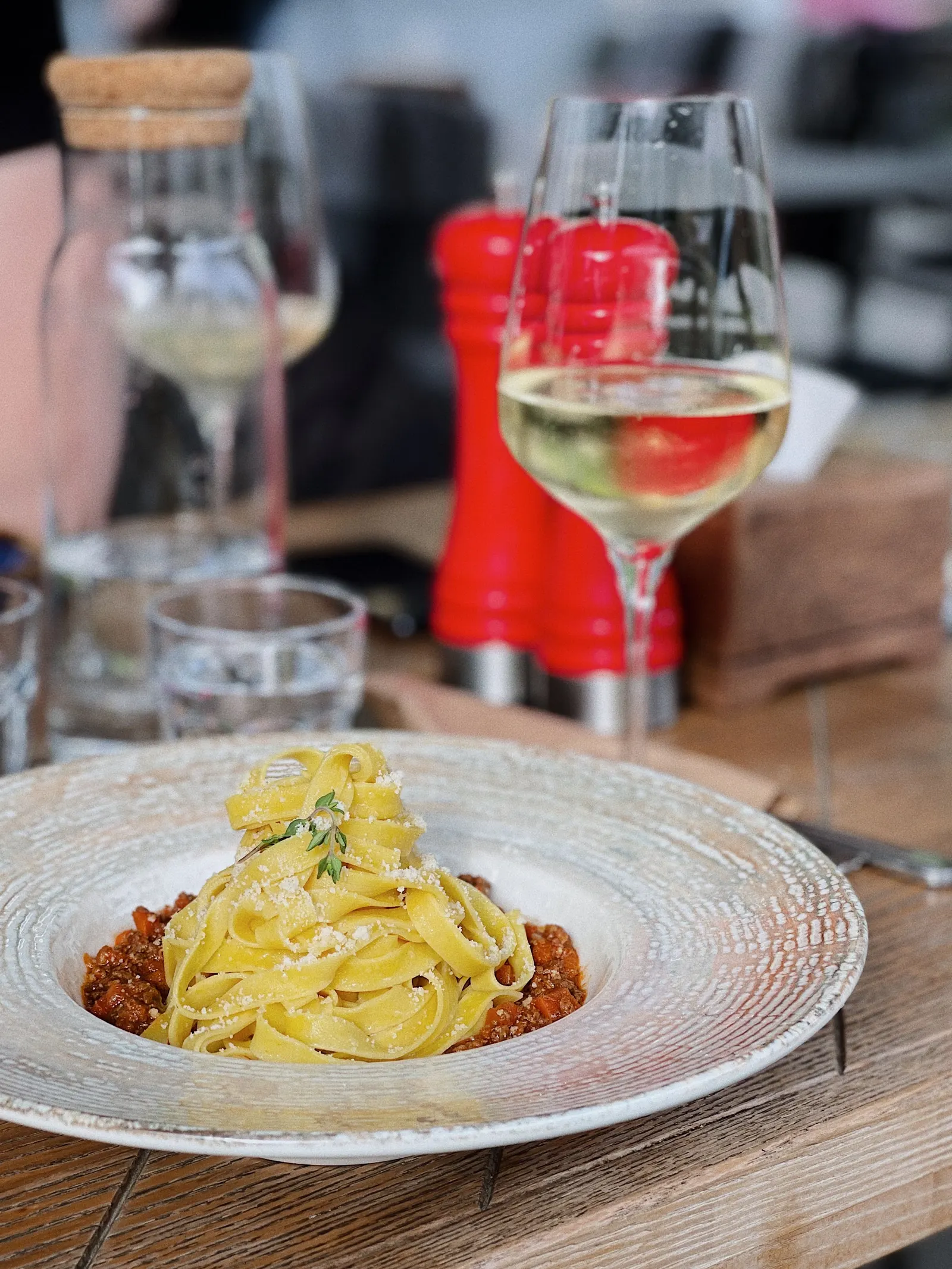
An Italian food connoisseur is just someone who has eaten widely and noticed the differences: butter and rice in the north, olive oil and dry pasta in the south, tomatoes everywhere they grow. You can build that knowledge one meal at a time, and on Mosey the Italian badge counts how many different places you have rated.
What does an Italian food connoisseur actually know?
Italy is not one cuisine. It is a set of regional tables that happen to share a language of pasta, bread, cheese and olive oil. A connoisseur does not memorize a list of dishes; they notice which region a dish belongs to and why it tastes the way it does.
That habit starts with a small question at the table: where in Italy is this from? A menu that offers risotto and polenta is leaning north. One built around tomatoes, anchovies, capers and eggplant is leaning south. Once you ask, almost every Italian menu starts to teach you something.
How does north and south Italian food differ?
The cleanest split is in the staples. According to the food-history reference we read for this page, northern cooking leans on fish such as cod, potatoes, rice, corn, sausages, pork and cheese, and polenta and risotto are at least as popular there as stuffed pasta. Milan is known for risotto.
The south is where you meet tomatoes, peppers, olives and olive oil, garlic, artichokes, oranges, ricotta, eggplant, courgettes, anchovies, sardines, tuna and capers. Dry pasta is more common in the south, while northerners traditionally prefer fresh egg pasta. By Italian law, dry pasta must be made from durum wheat flour or semolina.
Fats follow the same pattern, with a caveat. Olive oil is the most common cooking fat across Italian food, replaced in some recipes and areas by butter or lard, so treat "butter in the north" as a tendency rather than a rule.
Which Neapolitan and Sicilian dishes show the south?
Campania, the region around Naples, is one of Italy's biggest producers and eaters of pasta, especially spaghetti, and buffalo mozzarella is traditionally a southern cheese. Neapolitan pizza was registered in the European Union in 2009 and added to UNESCO's heritage list in 2017, which is a useful reminder that a style can be protected and still be eaten casually.
Sicily shows how history lands on a plate. Arab rule introduced spinach, almonds, rice, citrus and the durum wheat used for pasta, and Sicily already had a reputation for cheesemaking in Roman times. So when a sweet-and-savory Sicilian dish turns up with raisins, almonds or citrus, you are tasting centuries of trade.
One more fact helps with every red sauce on the menu. Tomatoes reached Italy from the Americas, and the first book to give them a central role, in 1773, offered thirteen recipes. The tomato sauce we think of as ancient is quite young.
How do you rate Italian places so a badge means something?
On Mosey the Italian badge is a family of the cuisine kind, and it climbs the same four levels as every food family. Five different places make you a Sampler, ten a Taster, twenty an Expert and fifty a Connoisseur. Repeat visits to one place do not add up, which is exactly what makes the ladder a tool for learning.
Treat each new place as a question about a region:
- Rate a place that cooks the north, with rice, polenta or fresh egg pasta.
- Rate a place that cooks the south, with dry pasta, tomatoes and seafood.
- Rate a pizzeria, since Pizza is its own badge family, separate from Italian.
- Rate a bakery or deli too; both are kinds of place with families of their own.
Add the Italian tag, name the dish you ordered and write one line about what you tasted. After fifty places, nobody is checking your homework, but you will have an unusually clear record of what you like.
Why does a pasta shape matter on the menu?
Shapes and sauces pair for a reason, and asking about them is a quick way to learn. A kitchen that makes fresh egg pasta in house is cooking the northern way, while a kitchen that proudly serves a good dry spaghetti is cooking the southern way. Ask which the pasta is, and write it in your rating. That one detail turns a vague score into something a stranger can use.
Why a badge says nothing about reward
A badge is a mark of variety, not a prize. It brings no discount and no priority, and a level you reach stays with you. Its one public job is to appear beside your name on a rating, so a reader knows you have rated five or more different places of the same kind.
How Mosey fits an Italian food habit
Mosey is a food app for finding, rating and sharing places to eat, and it is free for a place to list, with no hidden fees and tools priced to be affordable. Rating by the dish is a free way to support the independent kitchens you want around.
Keep a list called something like "Italian, north to south" and add a note on why each place belongs. Invite a friend who cooks to add to it, and follow people whose taste you trust so their ratings show up in the app. Tag the people you ate with and they can add their own rating of the same meal.
For local reading, try the Providence Federal Hill guide, the Boston North End guide and the guide to Italian food in New Orleans. The food badges page explains the ladder, and the US food guides list more.
Every level is explained in the food badges guide, and a natural next cuisine is Mexican food and tacos.
Get the Mosey app, rate the next Italian meal by the dish and add the Italian tag, then aim for five different places before you worry about the rest.
Questions
Common questions
How do I become an Italian food connoisseur?
Eat widely and notice the region. Rate different Italian places, name the dish and add the Italian tag. On Mosey, five different places earn Sampler, ten earn Taster, twenty earn Expert and fifty earn Connoisseur, and a level you reach is kept.
What is the difference between northern and southern Italian food?
Northern cooking leans on rice, polenta, potatoes, pork, cheese and fresh egg pasta, with Milan known for risotto. Southern cooking leans on tomatoes, olive oil, garlic, anchovies, capers and dry pasta made from durum wheat.
Is Pizza a separate badge from Italian on Mosey?
Yes. Pizza and Italian are separate cuisine families, each with its own count of different places. A pizzeria you rate with the Pizza tag counts towards that badge, and you can add both tags if the place is both.
Does rating the same Italian place twice count twice?
No. The ladder counts different places, so rating one favorite repeatedly still counts once. That keeps the badge a record of variety, which is the habit that actually teaches you the cuisine.
What's the best way to keep track of Italian places I want to try?
Mosey is a food app for finding, rating and sharing places to eat by the dish. Keep a list of Italian places to try, share it with a friend who can add to it, add tags to your ratings, and follow friends to see what they rate.
More like this
Read next
A 48 Hour Food Weekend Plan With a Shared List
Plan a 48 hour food weekend in any town with one shared list: sections for each meal, notes from everyone, ratings as you go and a list to keep afterward.
Anna Maria Island Restaurants: Pier, Beach and Sunset
Anna Maria Island restaurants range from a fishing pier to a toes-in-the-sand sunset spot. Meet four places and plan a day from breakfast to dinner.
Eating out in Arizona: summer heat, winter visitors and spring training
Arizona restaurants run on two seasons. How to eat out in 110 degree summers, when winter and spring training crowds make reservations essential, and how to time patios, misters and late dinners.
Armenian and Middle Eastern Food in Fresno
Armenian and Middle Eastern food in Fresno means shish kebab, lamb chops and chicken shawarma wraps. Dishes to look for and how to compare them.
