
How to
Become an Indian Food Connoisseur, North to South
Mosey · November 11, 2026 · 5 min read
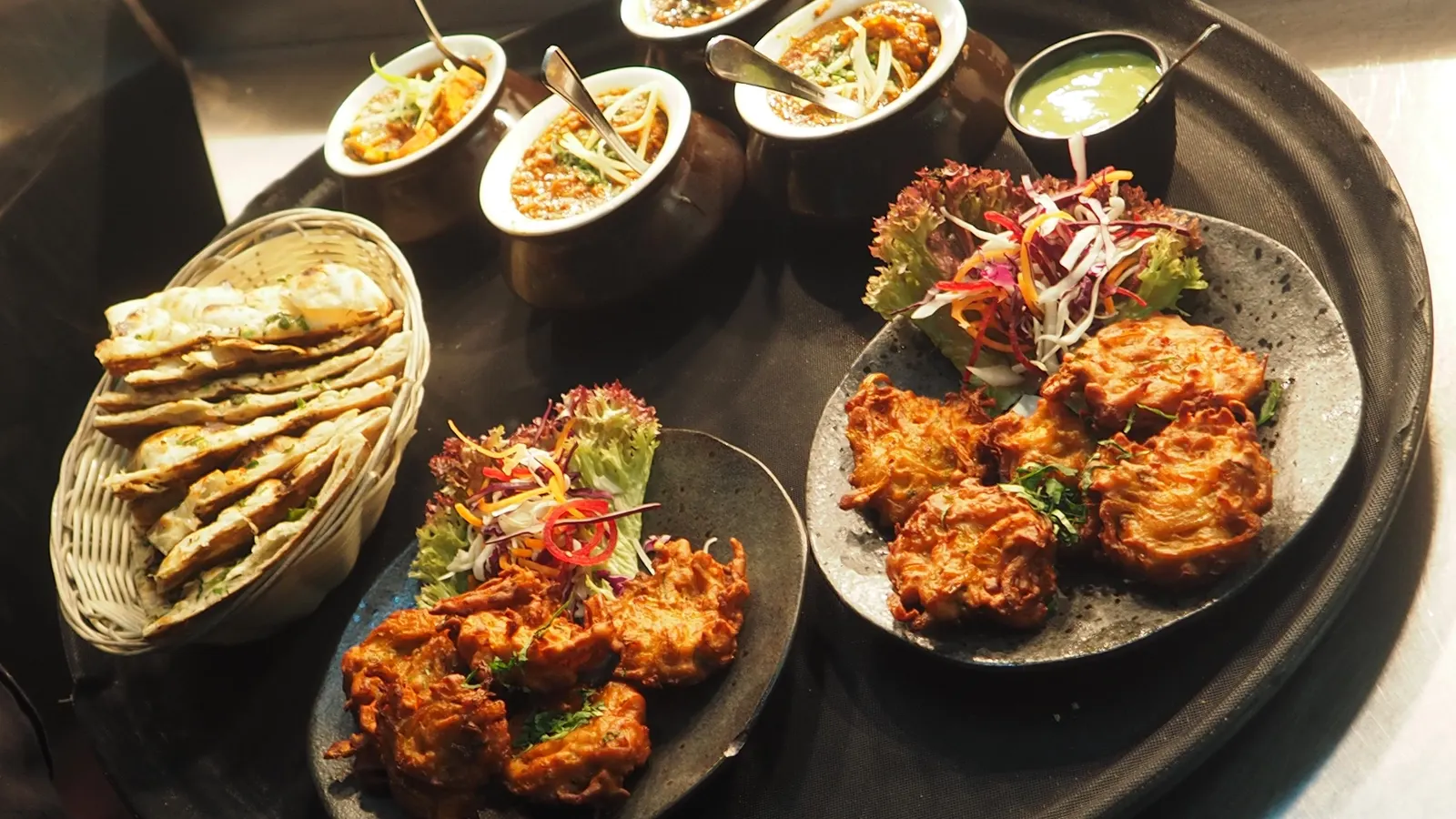
An Indian food connoisseur has learned that "Indian" is not one cuisine. It is many, shaped by region, religion and climate: wheat breads in the north, rice and coconut in the south, fish and mustard in the east, vegetarian traditions in the west. Mosey's Indian badge counts the different places you have rated, which is a good way to cover that ground.
What does an Indian food connoisseur understand?
The first lesson is humility. A menu that lists butter-rich curries and naan is showing one slice of India, not all of it. The food-history reference we read describes the cuisine as made up of regional cuisines across the subcontinent, shaped by religion, culture and tradition.
The second lesson is staples. Pearl millet, rice, whole-wheat flour and lentils, called dal, are the foundations. Which of them leads depends on where you are. An expert reads a menu for what it leaves out as much as what it includes.
How does north and south Indian food differ?
The simplest comparison is grain. In the north, meals typically center on wheat breads such as chapati, with dal and vegetable dishes. In the south, steaming is widespread, coconut is characteristic and rice is the main staple, though Karnataka balances rice, wheat and finger millet. One writer cautions that the wheat-versus-rice divide is less strict than it used to be, so use it as a starting point.
In the east, fish such as hilsa is favored, rice is the staple and mustard is used as both oil and paste. Bengal's Vaishnavite cooking is strictly vegetarian. In the west, Gujarat's food is mostly vegetarian because of Jainism, Maharashtra serves sweets such as shrikhand alongside main dishes in a thali, and Goa blends Portuguese and Indian influences with pork curries such as vindaloo.
What are dosa, idli and tandoor?
These three words open up a lot of menus. Idli and dosa are preferred South Indian breakfasts, and idli with sambar is a common pairing in Chennai. Dosa is made from gram and rice flour.
The tandoor, the clay oven, spread from northwestern India to the Middle East, and Punjabis helped make tandoori dishes popular. Chicken tikka is widely enjoyed. Mughlai cooking combined Persian and Hindu traditions and gave the world pilau, biryani and kebabs.
One surprise: chili pepper was introduced to India by the Portuguese from Mexico in the sixteenth century, and it is now among the most important spices. Vegetarianism is widespread, and Jains and Vaishnavites are strict lacto-vegetarians, so a good meal on a vegetarian menu is never an afterthought.
How do you order from an Indian menu?
Ask the kitchen where its cooking is from, and order across bread, rice and a vegetable dish so you taste the staples side by side. A thali is a useful teacher because it puts several small dishes on one plate, and a menu that offers both naan and dosa is showing you two regions.
Mention dietary needs early. Vegetarian cooking is widespread in India and many kitchens run a separate vegetarian menu, but ask the place directly about ingredients; a rating tag is a hint from a diner, never a guarantee.
A five-table plan for the first badge
Take the first level as a project. Table one, a northern meal with a tandoor bread. Table two, a southern breakfast of idli or dosa. Table three, a coastal or eastern fish dish. Table four, a western vegetarian thali. Table five, a biryani or another Mughlai dish. Five different kitchens, five ratings by the dish, and you have a Sampler badge and a far better sense of the cuisine.
What should you write in an Indian rating?
Name the bread, the rice or the main, and say what the spice did: warm, sharp, sweet, smoky. Mention whether the dish suited the region it claims, such as a dosa that arrived crisp, or a tandoor bread served hot. Detail like that helps the next diner order well, and it trains your own palate.
How do you rate Indian places on Mosey?
Indian is a cuisine family with the standard four levels: Sampler at five different places, Taster at ten, Expert at twenty and Connoisseur at fifty. Only different places count, and a level is never lost.
Here is a path that teaches rather than repeats:
- Rate a place that cooks the north, and name the bread you ordered.
- Rate a place that cooks the south, with a dosa or idli on the table.
- Rate a thali, noting how many items it holds.
- Add the Indian tag, and the Vegetarian or Vegan tag where it fits.
The badge carries no reward. It shows beside your name on a rating, so other diners know you have rated five or more places of the same kind.
Lists, friends and a free way to help local kitchens
Mosey is a food app for rating, sharing and keeping track of places to eat. It is free for a place to list, has no hidden fees and offers affordable tools, so a rating by the dish helps independent kitchens in a practical way.
Make a list such as "Regions of India, one meal each" and add why each place belongs. Invite a friend who loves a particular region, follow people whose taste you trust, and tag the people you ate with so they can add their own rating.
For a place-based example, try the Decatur guide to Indian food, then the guide to starting a food list. The food badges page sets out the ladder, and the US food guides list more.
Another cuisine with rich regional variety is Japanese food and sushi.
Get the Mosey app, rate your next Indian meal by the dish and add the Indian tag, then aim for five different regions on five different tables.
Questions
Common questions
What is an Indian food connoisseur?
Someone who knows Indian food is many regional cuisines, not one. On Mosey, the Connoisseur level comes from rating fifty different places carrying the Indian tag, with Sampler at five, Taster at ten and Expert at twenty.
What is the main difference between north and south Indian food?
Northern meals typically center on wheat breads, dal and vegetable dishes, with the tandoor common. Southern meals center on rice, with steaming widespread and coconut characteristic. The split is a useful starting point, not a strict rule.
What are dosa and idli?
Both are South Indian breakfast staples. Dosa is a crisp bread made from gram and rice flour, and idli is a steamed rice cake. Idli with sambar is a common pairing in Chennai, and both appear on many menus beyond the south.
Do repeat visits to one Indian place count for a badge?
No. The ladder counts different places, so rating the same favorite repeatedly counts once. That keeps the badge a record of variety, which is how you meet more regions and more dishes.
What's the best way to keep track of Indian places to try?
Mosey is a food app for finding, rating and sharing places to eat by the dish. Keep a list of Indian places by region, share it with a friend who can add to it, add tags to ratings, and follow friends to see what they rate.
More like this
Read next
A 48 Hour Food Weekend Plan With a Shared List
Plan a 48 hour food weekend in any town with one shared list: sections for each meal, notes from everyone, ratings as you go and a list to keep afterward.
Anna Maria Island Restaurants: Pier, Beach and Sunset
Anna Maria Island restaurants range from a fishing pier to a toes-in-the-sand sunset spot. Meet four places and plan a day from breakfast to dinner.
Eating out in Arizona: summer heat, winter visitors and spring training
Arizona restaurants run on two seasons. How to eat out in 110 degree summers, when winter and spring training crowds make reservations essential, and how to time patios, misters and late dinners.
Armenian and Middle Eastern Food in Fresno
Armenian and Middle Eastern food in Fresno means shish kebab, lamb chops and chicken shawarma wraps. Dishes to look for and how to compare them.
