
How to
Become a Japanese Food Connoisseur, Sushi and Beyond
Mosey · November 11, 2026 · 5 min read
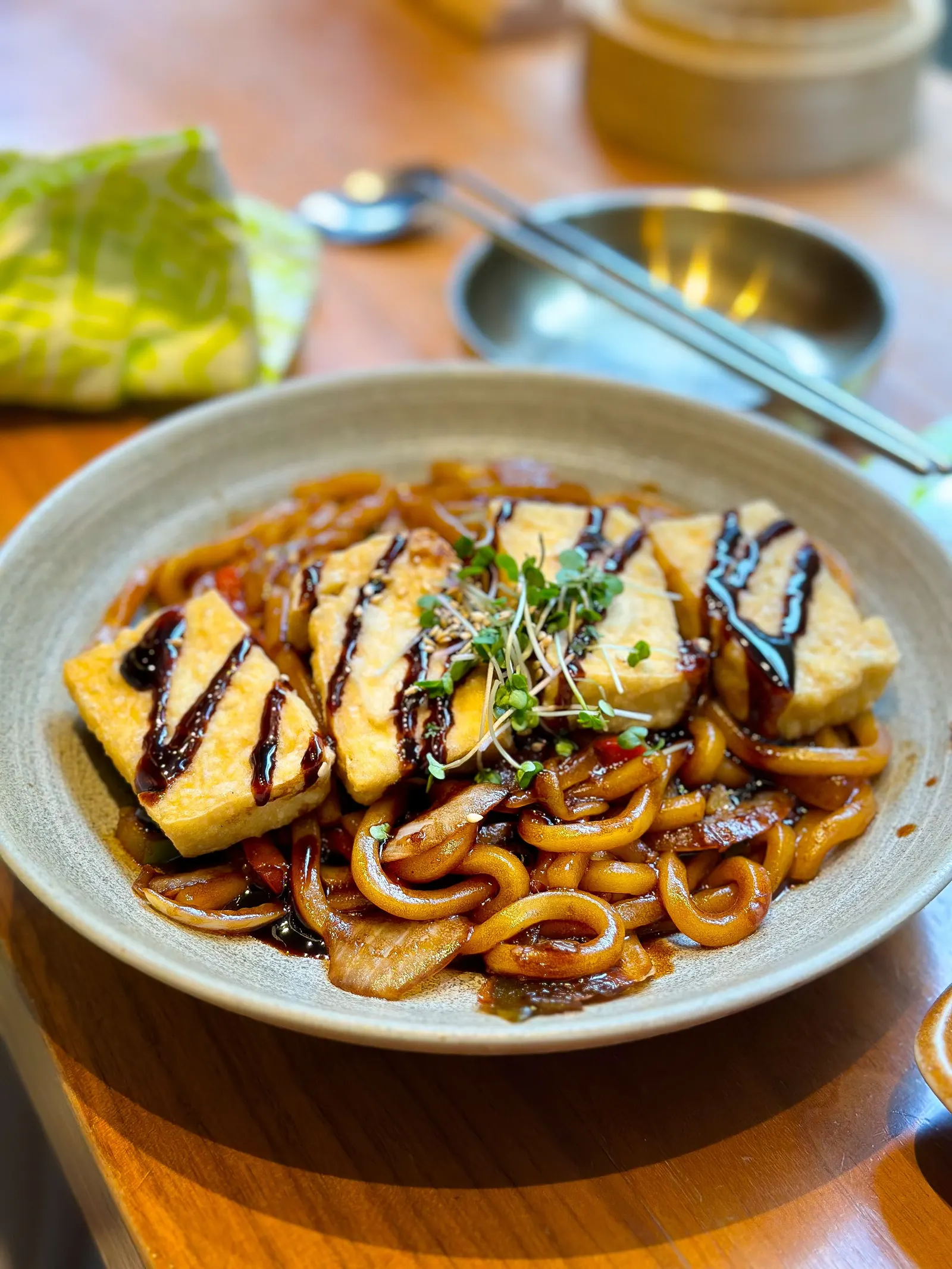
A Japanese food connoisseur knows that sushi is one chapter in a large book. Behind it sit dashi stock, regional tastes, tea-ceremony meals and a ramen tradition that began in China. Mosey has a Japanese badge and a Sushi badge, and both count how many different places you have rated.
What does a Japanese food connoisseur know?
The word to learn first is washoku, the common name for traditional Japanese cooking. In December 2013, UNESCO added "washoku, traditional dietary cultures of the Japanese, notably for the celebration of New Year" to its intangible cultural heritage list, a reminder that the cuisine is a set of habits as well as dishes.
The second word is dashi, the stock under much of the cooking. It is usually made with katsuobushi, flakes of dried skipjack tuna, and traditional seasonings combine dashi with soy sauce, sake, mirin, vinegar, sugar and salt. Because of the fish base, even vegetable dishes are often pescetarian rather than strictly vegetarian, which matters if you are asking a place about your diet.
How did sushi and nigiri develop?
Sushi began as a way to preserve fish by fermenting it in boiled rice. By the fifteenth century the fermentation had been shortened to about one to two weeks, and unfermented sushi arrived in the late Edo period, in the early nineteenth century. The hand-formed nigiri style was invented in the nineteenth century.
That history explains what you see on a counter today: rice seasoned with vinegar, a slice of fish, and very little else. A connoisseur pays attention to the rice as much as the fish, and notices whether the pieces arrive one at a time or all at once.
What is the difference between Kansai and Kanto flavors?
Regional specialties in Japan are called kyodo-ryori, and they use traditional recipes and local ingredients. One easy comparison is the noodle broth. Kanto foods taste strong, and its udon broth is heavy on dark soy sauce, much like its soba broth. Kansai foods are lightly seasoned, with a clear udon broth made with light soy sauce.
If you can taste that difference in a bowl of udon, you are already reading the map. Later, you can add the finer points.
What are kaiseki and ramen?
Kaiseki is closely associated with the tea ceremony. It is a minimalist style that reflects wabi-sabi aesthetics, and the modern standard form begins with ichiju-sansai, one soup and three dishes.
Ramen is believed to have originated in China. It became popular in Japan after the Second Sino-Japanese War, when many displaced Chinese students arrived, and it belongs to chuka ryori, the Japanese Chinese cuisine that emerged in the nineteenth century. Treat it as a cousin of the dishes above, not a rival.
How do you sit at a sushi counter?
A counter is the best classroom. Say hello, tell the chef about any allergies or foods you avoid, and ask what is good today before you order. Eat nigiri soon after it is placed in front of you, since the rice is meant to be at its best in the first moments. If you are unsure whether to use your hands or chopsticks, ask; both are usually fine for nigiri.
Order a few pieces at a time instead of everything at once. That lets you notice how the rice and fish change from piece to piece, and it gives you something specific to write about afterward.
What should you write in a Japanese rating?
Name the dish, then name what you noticed. "Light broth, firm noodles, a little sweet" tells the next diner more than a number. For sushi, mention the rice, the cut of the fish and the order the pieces came in. For a set meal, mention how many small dishes arrived and which one you would return for.
How do you rate sushi and Japanese places on Mosey?
Japanese and Sushi are separate cuisine families, and each climbs four levels: Sampler at five different places, Taster at ten, Expert at twenty and Connoisseur at fifty. Only different places count, and a level is never taken away.
Use the ladder to cover ground:
- Rate a sushi counter and name what you ordered, with a note on the rice.
- Rate a noodle shop, saying whether the broth was Kanto-strong or Kansai-light.
- Rate a place that serves set meals, with soup and several small dishes.
- Add the Japanese tag, and the Sushi tag where it applies.
The badge carries no reward. It shows beside your name on a rating, so other diners know you have rated five or more different places of the same kind.
Mosey, lists and a free way to back local kitchens
Mosey is a food app for finding, rating and sharing places to eat, and it is free for a place to list. There are no hidden fees, and the tools are priced to be affordable for small kitchens, so a thoughtful rating by the dish backs the owners you want to keep.
Start a list of Japanese places by style and add a note for each: noodle shop, counter, set meal. Invite a friend to add to it, tag the people you ate with, and follow people whose taste you trust.
For a local example, see the guide to sushi and ramen in Las Vegas, then how to start a food list for your state. The food badges page explains the ladder, and the US food guides cover more.
If you want to keep going, Thai food by region makes a fine next project.
Get the Mosey app, rate your next Japanese meal by the dish and add the tag, then aim for five different styles on five different tables.
Questions
Common questions
What is a Japanese food connoisseur?
Someone who knows Japanese food is more than sushi: dashi, regional tastes, noodle broths, set meals and kaiseki. On Mosey you reach Connoisseur by rating fifty different places carrying the Japanese tag, with Sampler at five, Taster at ten and Expert at twenty.
Are Japanese and Sushi separate badges on Mosey?
Yes. Japanese and Sushi are separate cuisine families, each counting the different places you have rated with that tag. A sushi counter can count towards both if you add both tags to the rating.
What is dashi?
Dashi is the stock under much of Japanese cooking, usually made with katsuobushi, dried skipjack tuna flakes. Because of that fish base, even vegetable dishes are often pescetarian rather than strictly vegetarian, so ask the place about ingredients if you follow a diet.
How do Kansai and Kanto food differ?
Kanto tastes stronger, with udon broth heavy on dark soy sauce, similar to its soba broth. Kansai is lightly seasoned, with a clear udon broth made with light soy sauce. Tasting the two broths side by side is an easy lesson.
What's the best way to keep track of Japanese places I want to try?
Mosey is a food app for finding, rating and sharing places to eat by the dish. Keep a list of Japanese places by style, share it with a friend who can add to it, add tags to your ratings, and follow friends to see what they rate.
More like this
Read next
A 48 Hour Food Weekend Plan With a Shared List
Plan a 48 hour food weekend in any town with one shared list: sections for each meal, notes from everyone, ratings as you go and a list to keep afterward.
Anna Maria Island Restaurants: Pier, Beach and Sunset
Anna Maria Island restaurants range from a fishing pier to a toes-in-the-sand sunset spot. Meet four places and plan a day from breakfast to dinner.
Eating out in Arizona: summer heat, winter visitors and spring training
Arizona restaurants run on two seasons. How to eat out in 110 degree summers, when winter and spring training crowds make reservations essential, and how to time patios, misters and late dinners.
Armenian and Middle Eastern Food in Fresno
Armenian and Middle Eastern food in Fresno means shish kebab, lamb chops and chicken shawarma wraps. Dishes to look for and how to compare them.
