
How to
Become a Chinese Food Connoisseur: Dim Sum and More
Mosey · November 11, 2026 · 5 min read
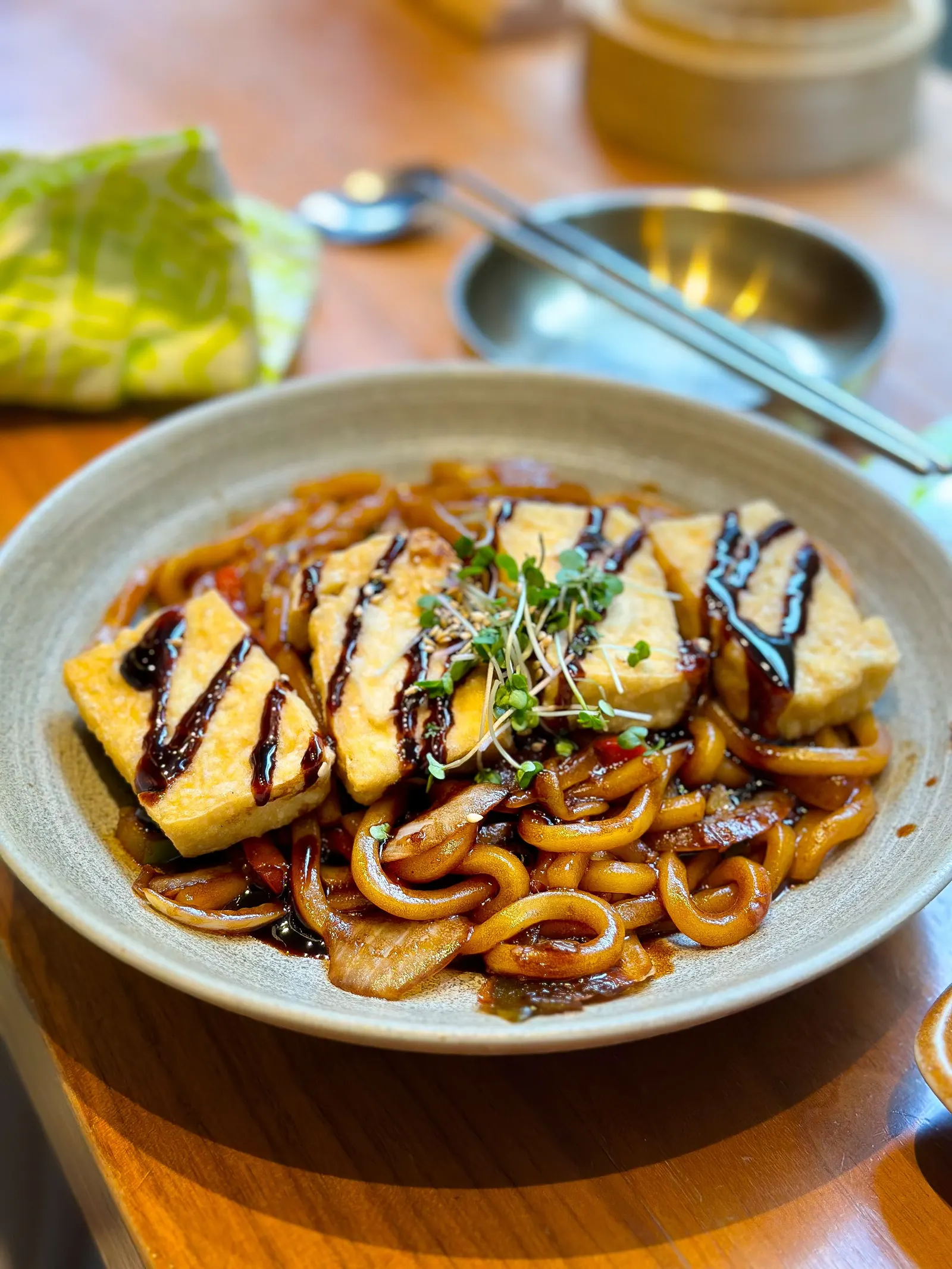
A Chinese food connoisseur does not say "Chinese food" and stop. They ask which region a dish comes from: Cantonese, Sichuan, Shandong, Jiangsu or another tradition. Mosey has a Chinese badge and a Dim Sum badge, and both count the different places you have rated, so every new kitchen teaches you something.
What does a Chinese food connoisseur look for?
China has several great culinary traditions, and the quickest way into them is to learn their names. A Qing-era grouping praised four above the rest: Cantonese for the south, Shandong for the north, Jiangsu (Huaiyang) for the east and Sichuan for the west. In 1980 a journalist named Wang Shaoquan, writing in the People's Daily, popularized a list of eight: Anhui, Guangdong, Fujian, Hunan, Jiangsu, Shandong, Sichuan and Zhejiang.
You do not need all eight to start. You need to notice that a menu is choosing a region. A place built around chili and numbing peppercorn is not cooking like a place built around steamed fish and light sauces.
How do regional Chinese cuisines differ?
Climate explains a lot. The dry, temperate north suits wheat and millet, so noodles, porridge and bread are staples there, while the south has long preferred rice. If a menu leads with dumplings and noodles, think north; if it leads with rice dishes, think south.
Some regional notes from the food-history reference we read:
- Cantonese cooking is among the best known and most influential. It values ingredients at their peak, uses spices sparingly and prefers steaming and quick stir-frying. Wok hei, the energy of a very hot wok, is a mark of a good stir-fry.
- Sichuan cooking relies on chili peppers, which came from the New World and became essential to it.
- Jiangsu cooking favors braising and stewing.
- Shandong cooking is the main basis for Korean Chinese food.
Until the late twentieth century, most Chinese restaurants in the West served largely Cantonese dishes. American Chinese dishes such as chop suey, orange chicken, crab rangoon and egg foo young grew from that tradition, and they are more popular among non-Chinese Americans than among Chinese Americans.
What are dim sum and yum cha?
Dim sum originally meant a small portion of food. It is traditionally served with tea, and the custom of eating it that way is called yum cha, "drink tea." Dim sum was popular in the teahouses of Guangzhou in the nineteenth century, and Hong Kong is where it fully flowered. Bamboo baskets are the classic vessel, and many places serve a different menu in the evening.
For a connoisseur, dim sum is an excellent exercise because one table holds many dishes. Order across the steamer, the fried and the sweet, and write down which you would return for.
How do you order across a Chinese menu?
Treat a long menu as a map. Ask which region the kitchen is from, and order two dishes from that tradition and one that is different. A Cantonese kitchen will often show its skill with a plain steamed fish; a Sichuan kitchen will show it with a dish that balances chili and numbing pepper; a northern kitchen may do its best work with dumplings or noodles.
Order for the table, share everything and taste each dish on its own before mixing. If a dish is unfamiliar, ask the server what it is made of. Most people are happy to explain, and the answer is often the best line in your rating.
What should you write in a rating?
Name the dish, name the texture and say one thing you would tell a friend. "Thin wrapper, plenty of shrimp, not oily" is a better rating than five stars with no words, because the next diner can act on it. Tags do the rest of the work, so the Chinese or Dim Sum tag on the rating is what puts the place on your ladder.
How do you rate dim sum places and build a badge?
Dim Sum and Chinese are separate cuisine families on Mosey. Each climbs four levels at five, ten, twenty and fifty different places: Sampler, Taster, Expert and Connoisseur. Rating one favorite repeatedly counts once.
A practical plan:
- Rate the dish, not the whole meal. "Pork and shrimp shumai" tells the next diner more than "good dim sum."
- Add the Chinese tag, and the Dim Sum tag where it applies.
- Alternate regions. After a Cantonese meal, try a Sichuan one.
- Note whether the place serves dim sum all day or only until the afternoon.
There is no reward attached. A badge is a record of variety that appears beside your name on a rating.
Use Mosey to keep a record of what you ate
Mosey is a food app for keeping, rating and sharing places to eat, and it is free for a place to list, with no hidden fees and affordable tools. Rating a dish by name is a free way to back the independent kitchens you rely on.
Start a list called "Regions I have tried" and add a note for each: Cantonese, Sichuan, Hunan. Invite a friend to add their finds, tag the people you ate with so they can add their own rating, and follow people whose taste matches yours.
A dim sum how-to is in how to eat at a dim sum restaurant, and the San Gabriel Valley Chinese food guide shows regional variety at work. The food badges page explains the levels, and the US food guides list more.
A good companion project is Indian food, north to south.
Get the Mosey app, rate your next dim sum order by the dish and add the Dim Sum tag, then count five different tables as the first goal.
Questions
Common questions
What is a Chinese food connoisseur?
Someone who recognizes the regional traditions behind a menu, such as Cantonese, Sichuan, Shandong and Jiangsu. On Mosey you reach Connoisseur by rating fifty different places of one kind, such as Chinese or Dim Sum, and the level is yours to keep.
What does yum cha mean?
Yum cha means drink tea, and it names the custom of eating dim sum with tea. Dim sum originally meant a small portion of food, and the habit grew in the teahouses of Guangzhou in the nineteenth century before developing fully in Hong Kong.
Is Dim Sum a separate badge from Chinese on Mosey?
Yes. Dim Sum and Chinese are separate cuisine families, each counting the different places you have rated with that tag. Five places earn Sampler, ten Taster, twenty Expert and fifty Connoisseur for either family.
How do Cantonese and Sichuan food differ?
Cantonese cooking values ingredients at their peak, uses spices sparingly and favors steaming and quick stir-frying. Sichuan cooking relies on chili peppers, which came from the New World and became essential to its bold flavors.
What's the best way to keep track of dim sum I want to try?
Mosey is a food app for finding, rating and sharing places to eat by the dish. Rate each dim sum dish, add the Dim Sum tag, keep a list to share with a friend who can add to it, and follow friends to see what they rate.
More like this
Read next
A 48 Hour Food Weekend Plan With a Shared List
Plan a 48 hour food weekend in any town with one shared list: sections for each meal, notes from everyone, ratings as you go and a list to keep afterward.
Anna Maria Island Restaurants: Pier, Beach and Sunset
Anna Maria Island restaurants range from a fishing pier to a toes-in-the-sand sunset spot. Meet four places and plan a day from breakfast to dinner.
Eating out in Arizona: summer heat, winter visitors and spring training
Arizona restaurants run on two seasons. How to eat out in 110 degree summers, when winter and spring training crowds make reservations essential, and how to time patios, misters and late dinners.
Armenian and Middle Eastern Food in Fresno
Armenian and Middle Eastern food in Fresno means shish kebab, lamb chops and chicken shawarma wraps. Dishes to look for and how to compare them.
