
For businesses
The Zion curtain in Utah: what changed and what still applies
Mosey · November 11, 2026 · 5 min read
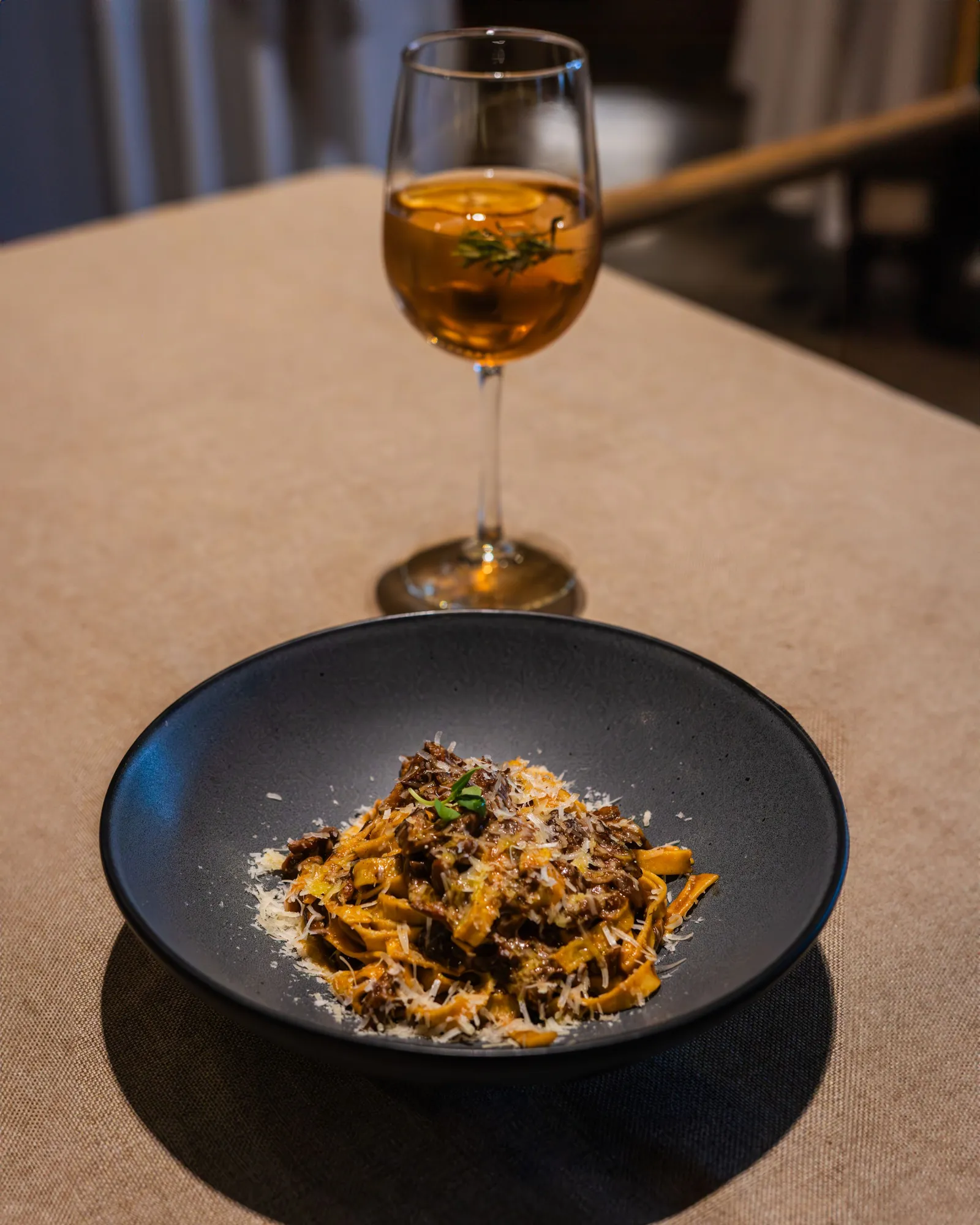
If you plan to serve alcohol in a Utah restaurant, you will hear people mention the Zion curtain. It was a visible symbol of the state's liquor rules, and its history explains several rules that still affect how your business is laid out, staffed and trained. This guide, last checked in October 2026, explains what changed in 2017 and what did not. It is a general overview for owners, not legal advice, and the current rules on the state's alcohol regulator website are the authority.
What was the Zion curtain?
Before 2017, a Utah restaurant that mixed drinks had to prepare them out of sight of the dining room, usually behind a frosted-glass or solid barrier, a rule that gave the Zion curtain its name. The idea was that guests, and especially minors, should not see alcohol being poured. For restaurant owners it meant a physical wall in the floor plan, awkward kitchens and bars, and a design limit on open concept restaurants. Many owners built their dining rooms around it.
What did the 2017 law change?
The Utah Legislature passed HB 442 in 2017, removing the requirement for a solid barrier in restaurants. News coverage at the time describes a replacement: a restaurant that prepares drinks in view of diners had to follow a layout rule that kept the preparation area apart from seating for guests under 21, either by distance or by a low wall. The same law ended the dining club license and forced existing dining clubs to decide whether to operate as a restaurant or a bar by July 1, 2018. That is the history. The measurements and details of the layout rule have been described differently by different sources, so take the exact current requirement from the state regulator, the Department of Alcoholic Beverage Services, and do not copy a figure from an older article.
What rules on layout apply to a new build-out?
Plan the bar, the service well and the seating together. If the bar is part of a restaurant, ask the regulator for the current layout requirements in writing and show them on your drawings. Raise the question with your architect before the lease is signed, and ask the regulator to review plans if you are unsure. A layout that works for a cafe may fail a liquor-license inspection, and rebuilding a wall is costly. The regulator also publishes rules on proximity to parks, playgrounds and libraries, and its notice for May 2026 says restaurants and hotels that were blocked by strict proximity requirements may now seek an exception, so ask about that as well when you choose a site.
What is the "intent to dine" rule?
Utah restaurants are licensed as places that serve food, with alcohol secondary. For years the state expected staff to confirm that a guest intended to eat before serving alcohol, and to handle guests who waited at the bar in the same way. The rules on how that is done have been adjusted over time, so ask the regulator what it expects now, and put the answer in your training script. In practice, servers and bartenders need a short, polite line, and managers need to know what the law expects. Document the training for new hires and refresh it whenever the regulator updates its guidance.
How do you train staff on the rules?
Treat the rules as a training topic, not a sign on the wall. Teach new bartenders and servers how to ask about intent to dine, how to check ID, how to avoid over-serving and how to refuse service. Utah changed its ID rules in 2026: a universal ID check that began on January 1, 2026 was relaxed, and the regulator says restaurants have no universal ID requirement and must check and scan the ID of customers who appear to be younger than 35. Confirm the cutoff wording with the regulator. Because the rule has moved once already, check the regulator's current notice before you print a training sheet. Ask the regulator what alcohol training servers must complete, and by when. Keep a record, and run a refresher before busy seasons such as ski season, when seasonal staff are new and the crowd is mixed.
What else shapes a Utah restaurant bar?
The state's quota system limits how many licenses it will issue, which affects your timeline and cost, as the quota guide in this series explains. Hours, food-to-alcohol expectations, and rules about advertising and drink promotions also apply, and Utah's rules on promotions are different from most states, so do not copy a menu or a happy hour from another state. Ask the regulator before you promote a drink offer.
What should you do before you sign a lease?
Check three things. First, whether a license of the type you want is available, and how long it will take. Second, whether the space can meet the layout and distance rules without major work. Third, whether your landlord allows alcohol service and any build-out changes. Ask an attorney who knows Utah alcohol law to review the plan and the lease. The cost of a mistake is high, and a short consultation is inexpensive by comparison.
What do you tell guests who are confused?
Visitors from other states may expect to order a drink without food or to see the bar as a social space. Have a clear, friendly line: "In Utah, we serve alcohol with food. Would you like to see a menu?" Put a short note on your website and reservation confirmation so that guests know before they arrive. This reduces awkward moments and protects your license.
More guides for your business:
- Utah food handler permits and certified food managers
- How to get more customers to your Utah restaurant in 2026
- Utah national park visits in 2025: what it means for restaurants
More in the US guides for food businesses.
Questions
Common questions
What was the Zion curtain?
A rule that restaurants prepare drinks out of sight of diners, usually behind a barrier. The 2017 law removed the solid barrier requirement.
Does Utah still have rules about where drinks are prepared?
Restaurants still face layout rules in a different form. Ask the Department of Alcoholic Beverage Services for the current requirement before any build-out.
What is the intent to dine rule?
Utah restaurants are licensed to serve food, and staff are expected to confirm a guest means to eat before serving alcohol. Ask the regulator how it expects you to do it now.
Did the dining club license end?
Coverage of the 2017 law says it did, and clubs had to choose restaurant or bar status by July 1, 2018.
What changed on ID checks in 2026?
The regulator says restaurants have no universal ID requirement and must check and scan the ID of customers who appear to be younger than 35. Confirm the cutoff wording in its current notice.
More like this
Read next
Is your restaurant menu accessible? PDF vs web page and an ADA checklist
Why a PDF or photo of your menu can fail blind and low-vision guests, what an accessible menu page looks like, and a practical checklist for a small restaurant website and online ordering page.
ADA website accessibility for restaurants: what to fix first
Restaurant websites are a common target for accessibility demand letters. What the ADA says about websites, what WCAG 2.1 AA asks for, and a practical checklist for your menu, booking page, online ordering and PDFs.
ADA website demand letters for New York restaurants: what to do
Why New York restaurants receive ADA website accessibility demand letters, what the standard is, what to do on receiving one and how to fix the most common problems. General information, checked October 2026.
Allergen and menu labeling rules for restaurants in five states
Massachusetts has a restaurant allergy law with a poster, a menu notice and a trained manager. New York City has sodium warnings for large chains. What the other states leave to local health departments, and a safe kitchen routine.
Put your menu, your replies and your photos in front of diners
Claim your free listing and decide how your business looks to the people searching for a good dish near them.
Free to list: your menu, replies and photos.