
For businesses
Utah sales tax and the 1 percent restaurant tax for food businesses
Mosey · November 11, 2026 · 5 min read
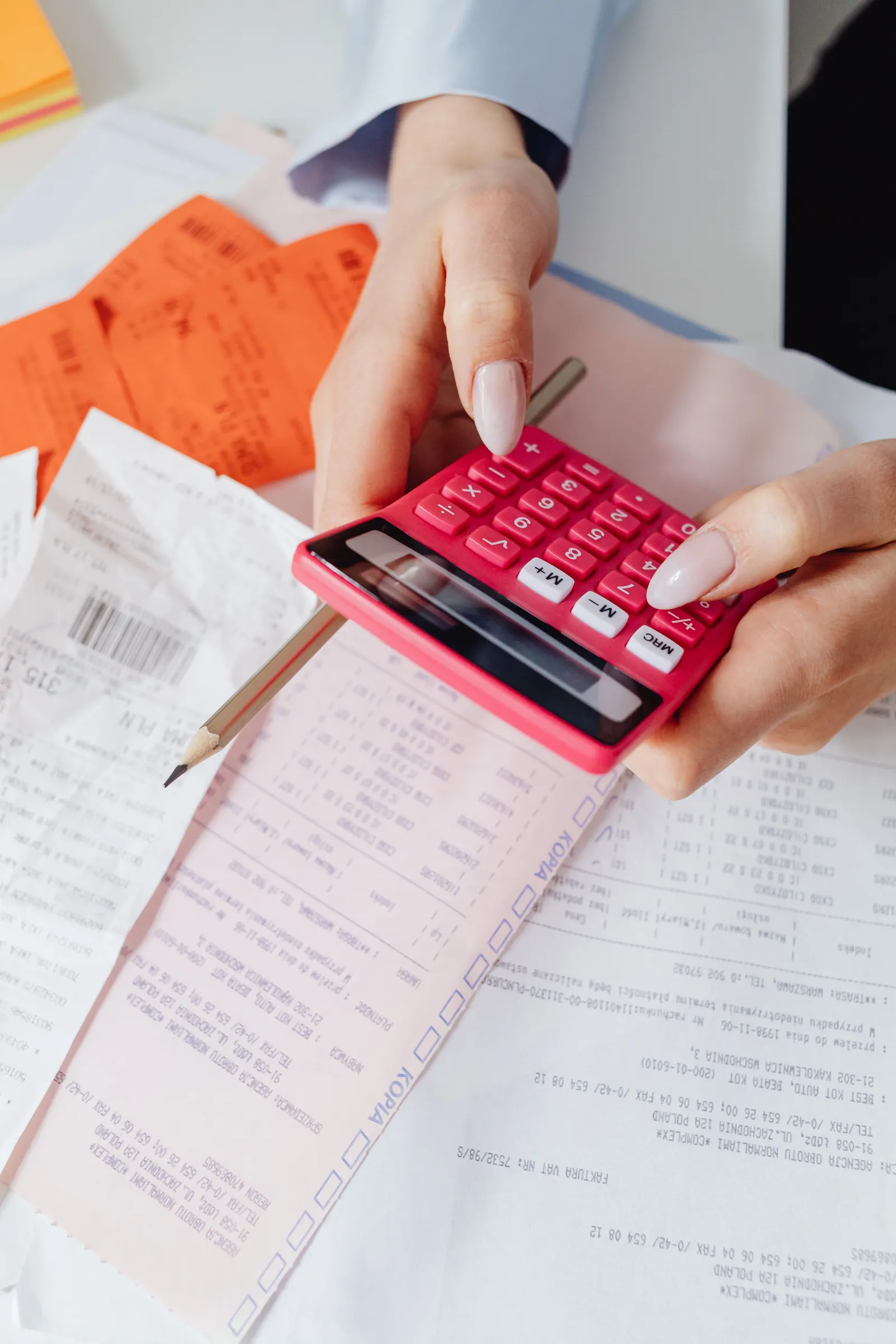
A Utah restaurant collects two different taxes on a meal: the regular sales tax, which varies by location, and a county restaurant tax, sometimes called the tourism tax, that is reported separately. Both come out of the customer's pocket, and both are your business's job to collect and remit. Getting the setup wrong is easy, because the second tax does not appear on many standard point-of-sale templates. A restaurant that opened in one county and moves to another must also change its settings, because the sales tax rate follows the address and counties can differ.
What is the Utah restaurant tax?
The restaurant tax is a county tax on food and alcoholic beverages sold by restaurants. The Utah State Tax Commission's Publication 55, revised in April 2025, says counties may impose a tourism tax of up to 1 percent on those sales, and restaurants collect a 1 percent restaurant tax in the counties that impose it. It is reported separately from the regular sales tax. Where a county imposes the tax, a restaurant must charge it on all sales.
What does it cover?
Publication 55 says the tax covers food and alcoholic beverages sold by the restaurant, and also corkage, set-ups, required gratuities and charges for room service meals and beverages. The practical point is that a mandatory service charge, such as an automatic gratuity for a large party, is part of the taxable price. A voluntary tip that the customer adds is a different matter; confirm the treatment of your own charges with the Commission. Prepared food for immediate consumption is the target, not packaged groceries.
What about the regular sales tax on meals?
Prepared food is taxed at the general sales tax rate, which combines a state rate with local rates, and the total depends on the address. Unprepared groceries are taxed at a reduced rate, which the Tax Commission's 2024 presentation puts at 3 percent, but that rate does not apply to prepared food, alcoholic beverages or tobacco. Use the Tax Commission's rate lookup for your address, not a third-party table. If you deliver or cater to a different city, the rate at the delivery address may differ from your own.
How do you set up your register?
- Look up the rate for your business address on the Tax Commission's website.
- Set a taxable category for food and drink at the combined sales tax rate.
- Set the 1 percent restaurant tax as a separate line, so that your reports show it apart. Many systems let you create a second tax and attach it to the same items.
- Apply both taxes to alcohol, corkage, set-ups and mandatory service charges.
- Make sure online orders, catering invoices and gift card redemptions use the same settings.
- Print the taxes as separate lines on the receipt.
Test with a sample sale and compare your total with a manual calculation.
How do you file?
The restaurant tax is filed on its own return, form TC-62F, which Publication 55 says is due on the same date as the sales tax return. The regular sales tax is filed on the sales tax return. Check how often you must file; many small businesses file monthly or quarterly depending on volume, and the Commission assigns the schedule when you register. Missing the filing date triggers penalties and interest. Set a calendar reminder for each deadline, and keep the money in a separate account.
What has changed recently?
The line between restaurant food and grocery food is a policy question, and it can move. Publication 55 defines a restaurant as a retail establishment whose primary business is selling prepared food for immediate consumption. Lawmakers have discussed how prepared food sold at grocery stores should be taxed, so check whether the rules have changed. If you also sell hot food from a grocery or convenience counter, ask the Commission how that counter is classified.
What about gift cards, deposits and catering?
A gift card sold is generally not taxed when you sell it; the tax applies when the card pays for taxable food. A deposit for a private event is a liability until the event, and the tax applies to the final charge. Catering is taxed as a restaurant sale, including delivery or setup charges that the customer must pay. Keep your invoices itemized so that you can show what was taxed and why. See our guide to Utah's alcohol licensing rules for how alcohol sales are handled.
What should you check each year?
Rates can change at the start of the year or mid-year, and the Commission publishes a list of changes. Review your register rates every January and July, check whether the legislature has changed anything about prepared food, and confirm your filing frequency. If you open a second location in another county, set it up separately. A short call to the Tax Commission or a conversation with an accountant who knows Utah restaurants is cheap insurance. Ask the Commission how long to keep records, and keep copies of every return and every rate lookup you used. If you are audited, a file showing that you checked the rate on a certain date is your best defense.
More guides for your business:
- Utah food handler permits and certified food managers
- Running a Utah restaurant through ski season, shoulder season and summer
- Utah liquor license quotas and waitlists for restaurants
More in the US guides for food businesses.
Questions
Common questions
What is the Utah restaurant tax?
A county tax of up to 1 percent on food and alcoholic beverages sold by restaurants, collected in counties that impose it. Confirm your county with the Tax Commission.
Is the restaurant tax on top of the regular sales tax?
Yes. It is reported separately from the regular sales tax on prepared food.
Does the tax apply to a mandatory service charge?
According to Publication 55, required gratuities are covered by the restaurant tax. Confirm your own charges with the Commission.
Which form is used for the restaurant tax?
Form TC-62F, according to Publication 55, due on the same date as the sales tax return.
Are groceries taxed in Utah?
Unprepared groceries are taxed at a reduced rate, 3 percent according to a 2024 Tax Commission presentation. Prepared food is taxed at the general rate.
Where do I find my exact rate?
Use the rate lookup on the Utah State Tax Commission website for your business address.
More like this
Read next
Is your restaurant menu accessible? PDF vs web page and an ADA checklist
Why a PDF or photo of your menu can fail blind and low-vision guests, what an accessible menu page looks like, and a practical checklist for a small restaurant website and online ordering page.
ADA website accessibility for restaurants: what to fix first
Restaurant websites are a common target for accessibility demand letters. What the ADA says about websites, what WCAG 2.1 AA asks for, and a practical checklist for your menu, booking page, online ordering and PDFs.
ADA website demand letters for New York restaurants: what to do
Why New York restaurants receive ADA website accessibility demand letters, what the standard is, what to do on receiving one and how to fix the most common problems. General information, checked October 2026.
Allergen and menu labeling rules for restaurants in five states
Massachusetts has a restaurant allergy law with a poster, a menu notice and a trained manager. New York City has sodium warnings for large chains. What the other states leave to local health departments, and a safe kitchen routine.
Put your menu, your replies and your photos in front of diners
Claim your free listing and decide how your business looks to the people searching for a good dish near them.
Free to list: your menu, replies and photos.