
For businesses
Savannah's visitor economy: what it means for restaurants
Mosey · November 11, 2026 · 4 min read
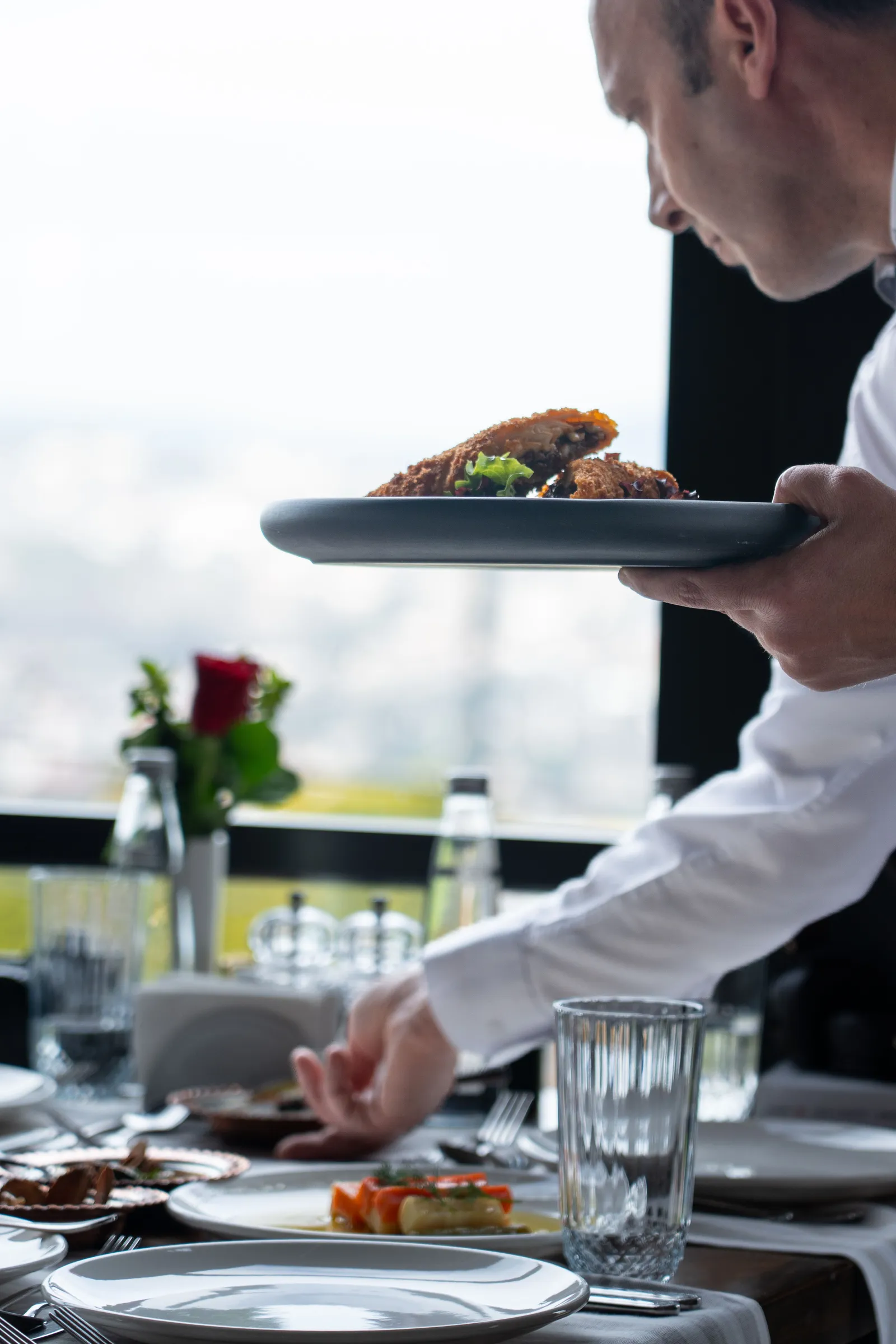
Savannah is a mid-sized coastal city that welcomes millions of visitors a year, and for restaurants that is both a gift and a puzzle. Tourism supplies a large share of demand, but it also supplies competition, rent pressure and a labor market that revolves around hospitality. Here is how a visitor-driven economy shapes a restaurant's year, with planning advice for each season.
Who visits Savannah?
Overnight visitors and day visitors behave differently, and many overnight visitors are repeat visitors with a short stay. That is a short stay and a loyal audience. A repeat visitor already knows the main sights and the famous restaurants, and often looks for something local and new. A short stay means one or two dinners in town, so every table counts. Day visitors, a large group, spend less on food but fill lunch and snack counters.
What does tourism mean for jobs and tax?
A large part of the local labor market depends on hospitality, because visitors support jobs in hotels, restaurants, tours and shops, and they generate tax revenue for the city and state. For a restaurant owner, the practical point is that wages and hiring in your business are tied to the visitor economy. When hotels and events compete for the same workers, your pay and schedules are measured against theirs.
What does a flat year mean for a restaurant?
Visitor numbers can hold steady from one year to the next while costs rise. If visitor numbers and spending hold steady while food, wages and rent climb, a restaurant cannot grow by volume alone. It has to raise the average check, cut waste, fill the slow weekday and keep its staff. The strongest Savannah restaurants will be those that give visitors a reason to choose them and locals a reason to come back.
How do you serve both visitors and locals?
Think of two audiences. Visitors want a clear menu, a good story and a reservation they can make from their phone. Locals want value, speed and respect, and a menu that does not change for the season of tourists. Consider a locals' night, a loyalty program or a weekday lunch special. Keep your online presence accurate so visitors can find you, and keep your door open to residents who may have been priced out of the busiest streets.
What about staffing and housing?
Hospitality workers in a tourist city face high rents near the historic center and long commutes. Many restaurants lose staff to better-paying hotel and event jobs. Offer stable schedules, meals, clear paths to promotion and prompt tip payouts. Think about transport and shift times for staff who commute. Respect staff who work two jobs.
How should you plan the year?
Map demand by month. Spring and fall are the peaks, summer is hot and slower on weekdays, and winter is quiet outside the holidays. Plan your menu, staffing and promotions accordingly. Hold cash for the slow months. Watch major events: St. Patrick's Day brings huge crowds, and festivals bring niche audiences. Use data from your own sales by day and week to refine the plan.
One more consideration is the relationship between price and reputation. A restaurant in a tourist district can raise prices every year and still fill, until the day a travel writer, a local columnist or a string of reviews describes it as a tourist trap. Guests who come once may never return, but guests who are treated well often come back for years, and they tell friends. In a market full of repeat visitors, reputation compounds. Make sure your portions, welcome and value match the price on the menu. Ask a few regulars what they would tell a friend visiting for a weekend, and put the answer on your menu or your window. The dish a local recommends to a visitor is usually the one worth leading with.
Finally, keep an eye on the numbers that matter in your own books: covers by day of the week, average check and the share of guests who are locals. Compare them with the same month a year ago. A tourism study tells you how the market is doing; your own figures tell you how you are doing in it.
Do you want repeat visitors to remember your best dish?
Mosey is a food-first app where diners search by dish and mood, rate what they ate and keep lists of places they want to try. For a restaurant in a market full of repeat visitors, a traveler who rated your dish and saved your page can find you again on the next trip, and the ratings tell new visitors what to order. Mosey also gives your business its own page and list of regular guests, so the people who loved a visit are yours to welcome back.
More guides for your business:
- Asheville restaurants after Helene: lessons for owners everywhere
- Marketing a restaurant in a Utah college town: Provo and Orem
- The 2034 Winter Olympics: what Salt Lake restaurants can plan
More in the US guides for food businesses.
Questions
Common questions
How many people visit Savannah?
Millions of visitors come to the Savannah area each year. The Savannah Chamber and the city's tourism office publish the latest counts.
Are most Savannah visitors repeat visitors?
A large share of overnight visitors are repeat visitors with a short stay. That means a returning guest often wants something local and new, and you have one or two dinners to win.
Does a flat year hurt restaurants?
It can. If visitor numbers hold steady while food, wages and rent rise, margins shrink, and volume alone will not fix it. Raise the average check carefully, cut waste, fill slow weekdays and keep your staff.
How do I serve both visitors and locals?
Give visitors a clear menu and an easy way to book, and give locals value, speed and a reason to return, such as a locals' night or a weekday lunch special. Keep your online listing accurate for both groups.
How should I plan around the seasons?
Map demand by month, using your own sales by day and week. Spring and fall tend to be peak times, summer is slower on weekdays and winter is quiet outside the holidays, so plan menus, staffing and cash accordingly.
More like this
Read next
Is your restaurant menu accessible? PDF vs web page and an ADA checklist
Why a PDF or photo of your menu can fail blind and low-vision guests, what an accessible menu page looks like, and a practical checklist for a small restaurant website and online ordering page.
ADA website accessibility for restaurants: what to fix first
Restaurant websites are a common target for accessibility demand letters. What the ADA says about websites, what WCAG 2.1 AA asks for, and a practical checklist for your menu, booking page, online ordering and PDFs.
ADA website demand letters for New York restaurants: what to do
Why New York restaurants receive ADA website accessibility demand letters, what the standard is, what to do on receiving one and how to fix the most common problems. General information, checked October 2026.
Allergen and menu labeling rules for restaurants in five states
Massachusetts has a restaurant allergy law with a poster, a menu notice and a trained manager. New York City has sodium warnings for large chains. What the other states leave to local health departments, and a safe kitchen routine.
Put your menu, your replies and your photos in front of diners
Claim your free listing and decide how your business looks to the people searching for a good dish near them.
Free to list: your menu, replies and photos.