
For businesses
Restaurant marketing on a small budget: a Michigan owner's plan for 2026
Mosey · November 11, 2026 · 5 min read
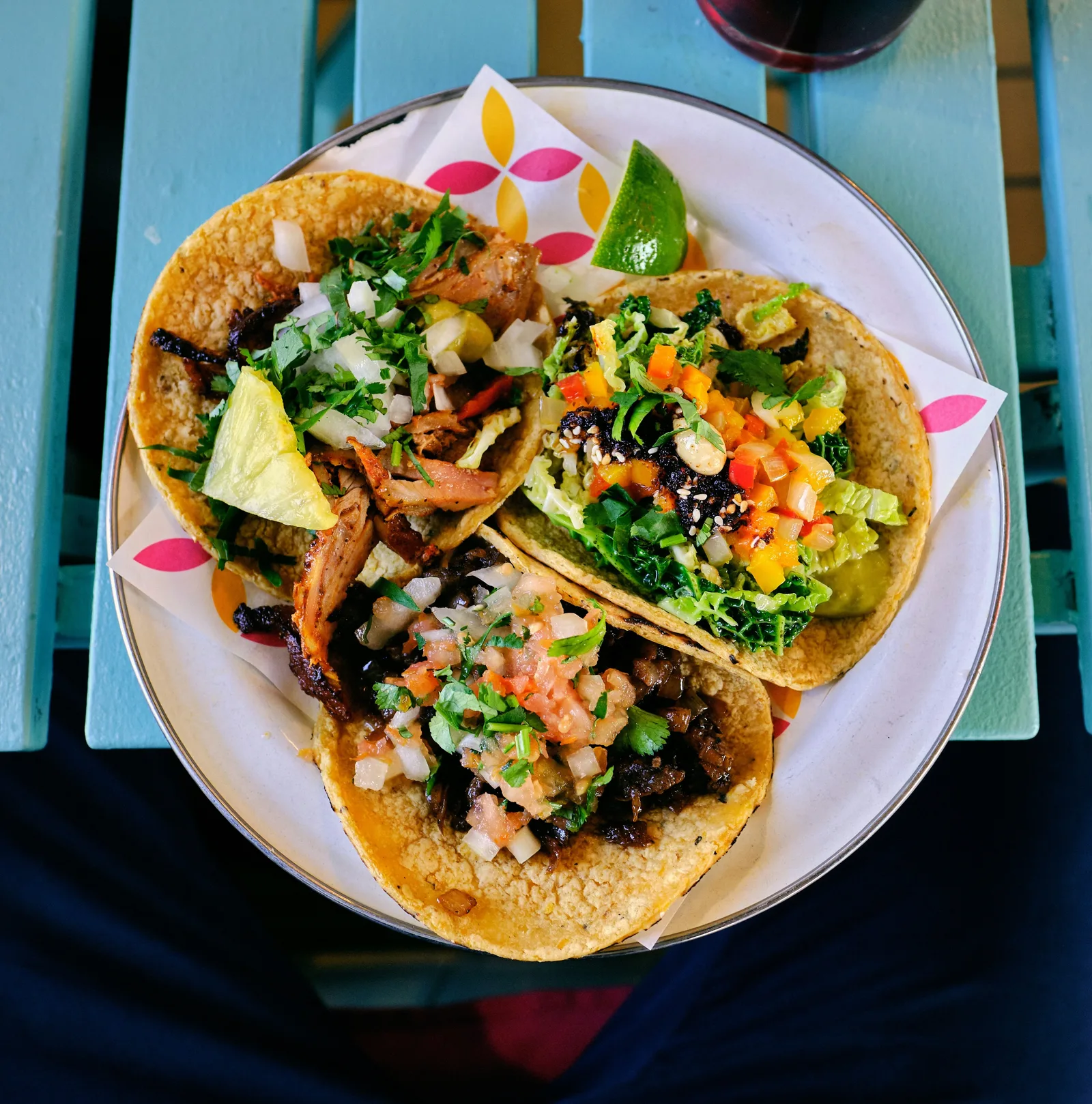
Most independent restaurant owners in Michigan do not have a marketing department. They have a phone, a few hours on Monday and a tight budget. That is enough. This guide, checked in October 2026, gives a plan you can run alone, built around the way Michigan guests actually eat: by season, by neighborhood and by recommendation.
What does a small budget need to do?
It has to answer one question for a stranger: why should I eat here tonight? Everything else is detail. Write your answer in one sentence, such as the best whitefish in town or breakfast all day near the lake, and put it on your sign, your listing and your menu. If you cannot write it, you have found your first task.
How do you fix your listing first?
Most guests check online before they go. The 2026 BrightLocal Local Consumer Review Survey says 97 percent of consumers read reviews for local businesses, and guests look in more than one place, so make your information the same everywhere.
- Hours, including holidays and seasonal changes.
- A readable menu with prices.
- Recent photos of the food, the room and the entrance.
- Your address, phone number and parking.
- A short description that uses your one sentence.
Spend one afternoon on this. It is the best use of a small budget.
How do you earn reviews?
Ask. A guest who enjoyed the meal will usually say yes if asked at the right moment, and a small card with the check helps. Do not offer a reward, and do not write your own, since the Federal Trade Commission's rule on fake reviews applies. Reply to every review in two or three kind lines. The next guest reads your reply as well as the review.
How do you use the Michigan seasons?
Michigan food follows the calendar: asparagus and morels in spring, cherries and berries in summer, apples and cider in fall, hearty soups in winter. Build a short seasonal special for each and name the farm. Hunting season, football Saturdays, tourist weeks on the lakeshore and winter sports all shift traffic, so plan around them. A sign that says the first local sweet corn is here gets people in the door.
Which local partners help?
- Hotels, cabins and rentals that need a dinner suggestion.
- Offices, schools and churches that need a caterer or a fundraiser.
- Breweries, wineries and farms that welcome a food partner.
- Local newsletters, community pages and tourism offices.
- Neighboring shops that would hand out your menu.
Visit in person with a one-page sheet. Relationships beat ads.
What about a simple email or text list?
Ask regulars if they would like to hear about new dishes. Keep the list on a spreadsheet, send one short message a month and never share the list. A note about a new special reaches people who already like you, for the cost of your time.
What about social media?
Pick one platform where your guests are and post twice a week: a photo of a dish, a behind-the-scenes shot or a thank-you. Real photos of real food beat polished ads. Answer comments. Do not try to be on every platform.
How will you know what works?
Choose one number each month: Tuesday covers, new reviews, email sign-ups or guests who mention a partner. Write it in a notebook. If the number goes up, repeat what you did. If not, change one thing.
What should you stop doing?
Stop paying for anything you cannot measure. Stop discounting to fill a room that a better special would fill. Stop posting on platforms you do not check. Money and time saved here can go into food and staff.
How do you make your menu do the selling?
Put your best-selling or best-loved dishes at the top, with a short, vivid description. Use real words, such as house-smoked whitefish with dill sauce, not vague phrases. Add a photo where you can. Keep the menu short enough to read on a phone in a few seconds. Update it when you change the seasons, and make sure the online version matches the one at the table.
How do you thank your best regulars?
Remember their names and orders. Offer the first taste of a new dish. Send a handwritten note on an anniversary. A free coffee on a cold morning does more than a coupon. Regulars bring friends, and friends are the cheapest marketing you will ever have.
Want more of the people who walk past to come in?
Mosey is a food-first app where diners find places by dish, mood and neighborhood, so a cafe known for its pasties or a diner known for its pie can be found for exactly that. A business can host a menu page, show its best-rated dishes and reply to guests, and nobody can pay to outrank it, since top spots on Mosey are earned from ratings alone. It suits independents who would rather win people over with food than with ad spend.
More guides for your business:
- Michigan liquor license for a restaurant: how the quota system works
- Michigan minimum wage and tipped wage for restaurants in 2026 and 2027
- Michigan sales tax on restaurant meals: the 6 percent rule explained
More in the US guides for food businesses.
Questions
Common questions
What is the cheapest restaurant marketing that works?
A complete, accurate online listing, a request for reviews and a clear one-sentence reason to visit.
Should I pay for ads?
Only if you can measure the result. Fix your listing and reviews first.
How do I get more reviews?
Ask in person at the right moment, never offer a reward and reply to every review.
Can I buy reviews?
No. The Federal Trade Commission's rule on fake reviews bars buying or writing them.
Is an email list worth it?
Yes, a small list of regulars costs only your time and reaches people who already like you.
How do I track results?
Pick one number each month, such as new reviews or covers on a slow night, and watch it.
More like this
Read next
Is your restaurant menu accessible? PDF vs web page and an ADA checklist
Why a PDF or photo of your menu can fail blind and low-vision guests, what an accessible menu page looks like, and a practical checklist for a small restaurant website and online ordering page.
ADA website accessibility for restaurants: what to fix first
Restaurant websites are a common target for accessibility demand letters. What the ADA says about websites, what WCAG 2.1 AA asks for, and a practical checklist for your menu, booking page, online ordering and PDFs.
ADA website demand letters for New York restaurants: what to do
Why New York restaurants receive ADA website accessibility demand letters, what the standard is, what to do on receiving one and how to fix the most common problems. General information, checked October 2026.
Allergen and menu labeling rules for restaurants in five states
Massachusetts has a restaurant allergy law with a poster, a menu notice and a trained manager. New York City has sodium warnings for large chains. What the other states leave to local health departments, and a safe kitchen routine.
Put your menu, your replies and your photos in front of diners
Claim your free listing and decide how your business looks to the people searching for a good dish near them.
Free to list: your menu, replies and photos.