
For businesses
Oregon alcohol service permit for restaurant staff: OLCC rules
Mosey · November 11, 2026 · 5 min read
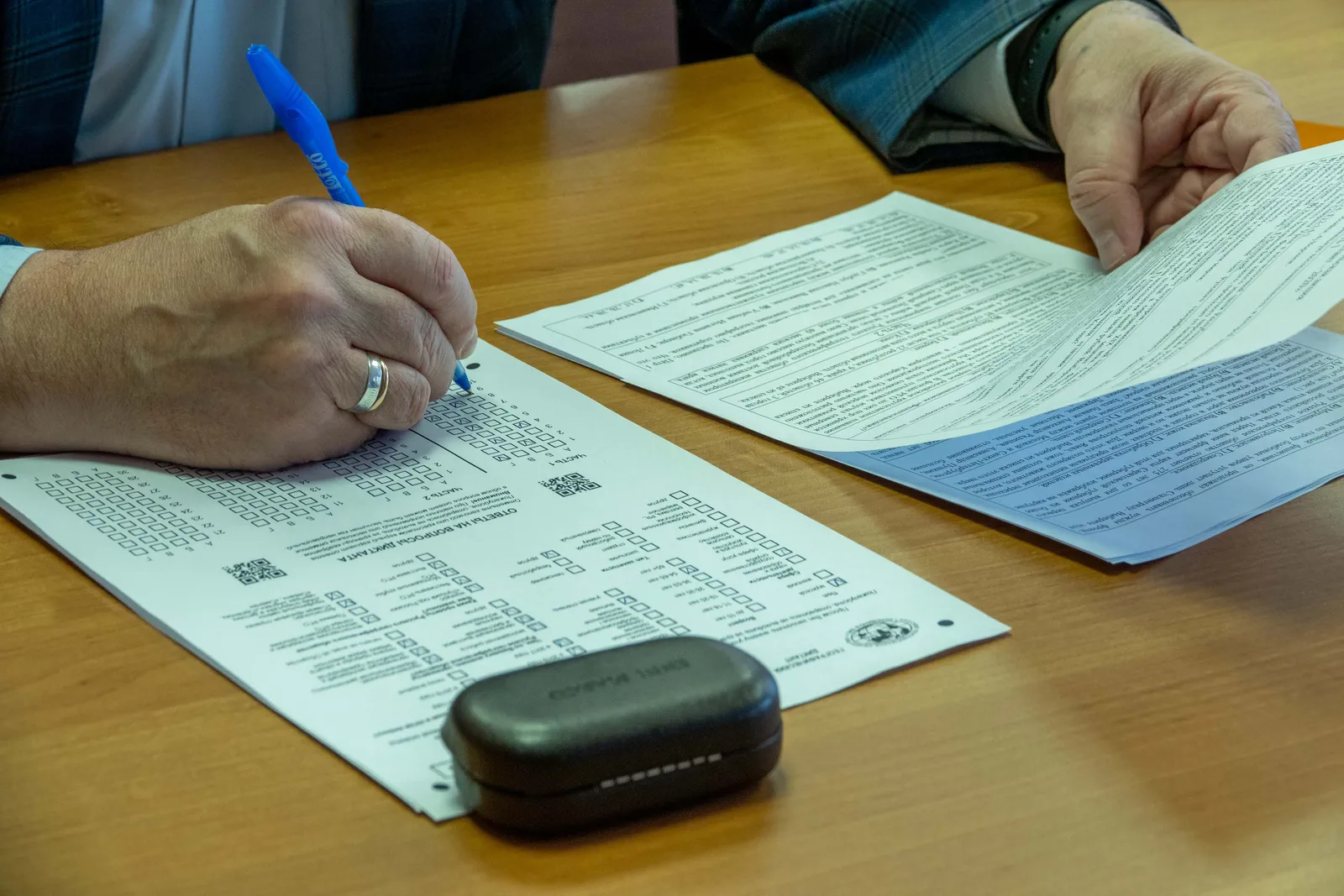
If your restaurant serves beer, wine or cocktails in Oregon, the people who pour and carry them need a service permit from the Oregon Liquor and Cannabis Commission, known as the OLCC. The rule is simple on paper and easy to trip over in practice, especially after a 2025 change that took away the grace period new hires used to have. Here is who needs a permit, how it is obtained, what to track and what to do when a new server starts on Friday. Confirm fees and forms with the OLCC before you act.
Who needs an OLCC service permit?
The rule is that anyone who mixes, sells or serves alcohol needs a permit. That includes servers, bartenders, managers who pour or supervise service and counter staff who fill growlers. Staff who never handle alcohol, such as cooks, dishwashers and hosts, generally do not. If a host sometimes carries a drink to a table, that is service, so treat the role by what the person does, not by their title. Ask the OLCC if a role is unclear, and keep the answer in writing.
How does a worker get a permit?
The steps are: take an OLCC-approved alcohol server education course, apply and pay the fee through the OLCC's online portal, and pass the OLCC final exam. The fee is $23 to apply and the same to renew, and the permit lasts five years and cannot be transferred to another person. Courses are offered online by several approved providers, and prices vary, so ask the OLCC for its current list.
What changed in March 2025?
Since March 31, 2025, the 45-day temporary permit that allowed new hires to serve while they trained no longer exists. A new hire must now complete the course and pass the exam before being scheduled for any alcohol service. For a restaurant, this changes onboarding. A server who starts on Monday cannot work a bar shift on Friday unless the permit is done. Build time for the course into the hiring plan, and tell candidates before the offer that they must complete it first.
Can teenagers serve alcohol?
Workers aged 18 to 20 can receive a minor permit. It allows serving or delivering drinks in areas where food service is the primary focus, but it does not allow bartending or mixing drinks until age 21. Check the OLCC's current rules on where minors may work in a restaurant with a bar, since the physical layout and the license type matter. Document each permit holder's age category.
How should you track permits?
- Keep a copy of each employee's permit in the personnel file, with the expiry date.
- Set a calendar reminder ninety days before each expiry.
- Check permits before building the schedule, not after.
- Include the permit in your hiring checklist for servers, bartenders and managers.
- Verify the permit through the OLCC's system if you have any doubt.
- Remove from alcohol duty anyone whose permit has lapsed until it is renewed.
An inspector who finds unpermitted staff can cite the license, so a simple spreadsheet is cheap insurance.
What does the permit not cover?
It does not replace your food handler cards, which are a separate Oregon requirement covered in another guide. It does not cover your liquor license itself, which belongs to the business. And it does not replace your own house rules on checking identification, cutting off guests and handling intoxicated customers. The training course covers the law, but your team needs your policy too: who checks IDs, what to do when someone looks too young and who calls a ride.
What if an employee does not pass the exam?
Most providers allow retakes, and some include them in the course fee. Give the employee time and encouragement. A kitchen helper who wants to move to the floor is a good candidate for an in-house training day, with the course as the first step. Do not schedule alcohol service until the permit is in hand.
How can you make training part of your culture?
Pair a new server with an experienced one for their first shifts. Run a short pre-shift discussion on checking IDs and refusing service. Post the signs that the OLCC requires, and make sure managers know the law on hours and on serving visibly intoxicated guests. A team that understands the reasons for the rules makes better decisions on a loud Saturday.
What should you ask your insurance broker?
Ask how your liquor liability coverage treats unpermitted staff or lapsed permits, and whether documented training reduces your premium. Some insurers value a clear record of training. Keep your records ready for renewal.
Is staffing your bar the hard part of growing?
A full bar needs a steady line of guests as well as trained hands. Mosey is a food-first app where diners find places by dish, mood and neighborhood and rate what they actually ate. A restaurant can host a menu page, show its best-rated dishes and drinks, and reply to guests, so the shifts you train people for are shifts with guests in the room.
More guides for your business:
- Oregon Fair Work Week law: does it apply to your restaurant?
- Paid Leave Oregon for restaurant employers: contributions and notices
- What Oregon's July 2026 minimum wage rise means for cafes
More in the US guides for food businesses.
Questions
Common questions
Who needs an OLCC service permit?
Anyone who mixes, sells or serves alcohol, including servers, bartenders and managers who pour. Cooks and hosts who never handle alcohol generally do not, but treat the role by what the person does. Ask the OLCC if a role is unclear.
How long does an Oregon service permit last?
Five years, and it is not transferable to another person. Check the OLCC for current terms, and record each expiry date so that a lapsed permit never reaches a shift.
Can a new hire serve while their permit is pending?
No. Since March 31, 2025, when the 45-day temporary permit ended, a new hire must finish the course and pass the exam before any alcohol service. Build that time into your hiring plan.
What does the exam involve?
It is the OLCC final exam taken after an approved alcohol server course. Most providers allow retakes, so give an employee time and encouragement, and do not schedule alcohol service until the permit is in hand.
Can an 18-year-old serve alcohol in Oregon?
A minor permit is available for ages 18 to 20. It allows serving in food-focused areas but not bartending. Check the OLCC rules for your license type and layout.
How much does the permit cost?
The OLCC fee is $23 to apply and the same to renew, plus the course fee, which varies by provider. Check the OLCC for current fees.
More like this
Read next
Is your restaurant menu accessible? PDF vs web page and an ADA checklist
Why a PDF or photo of your menu can fail blind and low-vision guests, what an accessible menu page looks like, and a practical checklist for a small restaurant website and online ordering page.
ADA website accessibility for restaurants: what to fix first
Restaurant websites are a common target for accessibility demand letters. What the ADA says about websites, what WCAG 2.1 AA asks for, and a practical checklist for your menu, booking page, online ordering and PDFs.
ADA website demand letters for New York restaurants: what to do
Why New York restaurants receive ADA website accessibility demand letters, what the standard is, what to do on receiving one and how to fix the most common problems. General information, checked October 2026.
Allergen and menu labeling rules for restaurants in five states
Massachusetts has a restaurant allergy law with a poster, a menu notice and a trained manager. New York City has sodium warnings for large chains. What the other states leave to local health departments, and a safe kitchen routine.
Put your menu, your replies and your photos in front of diners
Claim your free listing and decide how your business looks to the people searching for a good dish near them.
Free to list: your menu, replies and photos.