
For businesses
Ohio food safety certification: Level One and Level Two explained
Mosey · November 11, 2026 · 5 min read
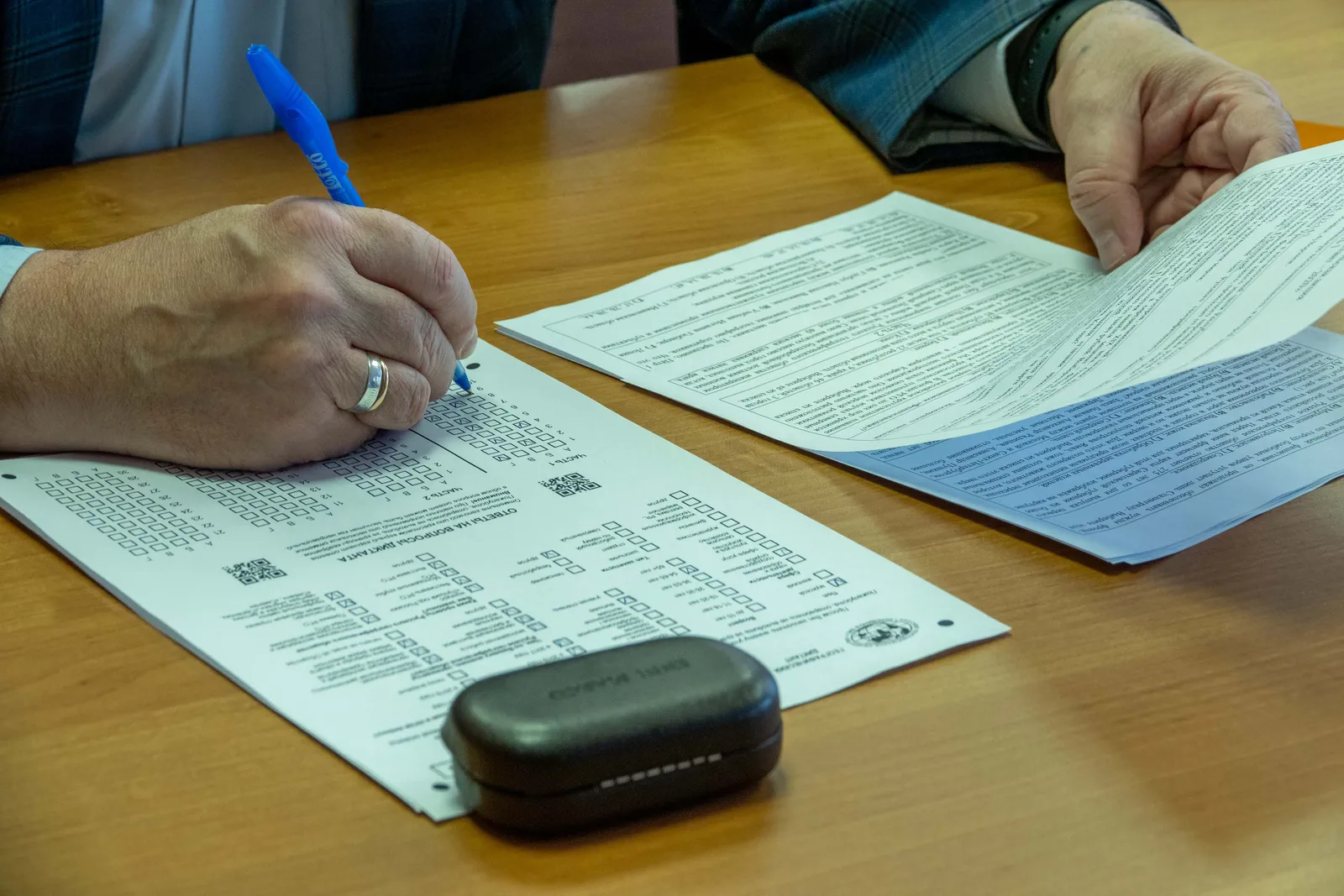
Ask an Ohio health inspector what they look for first, and one answer is: who is in charge right now, and do they know the rules? Ohio's food safety rules put that into practice through two levels of certification. This guide explains what each level is, which businesses need which, and how to build certification into scheduling. Rules are set by the Ohio Department of Health and enforced by your local health department, which can add its own requirements, so confirm the details with your local office before you plan training.
What are Level One and Level Two?
Level One is the person-in-charge certification. It is a shorter course covering core food safety: handwashing, temperature control, cross-contamination and illness reporting. Level Two is the manager certification, a longer course and exam tied to the food protection manager standard, and it goes deeper into how a business controls risk. Training vendors now call Level One the Person-in-Charge certification and Level Two the Manager certification, which is why you will see both names.
Who needs Level One?
Ohio's rules call for a food facility to have a designated person in charge with Level One certification present during all hours of operation, and your local health department can confirm how that applies to you. That is the practical point: it is about coverage on every shift, not a single person on the payroll. If your only certified person works days, your evening service is the one at risk. Plan to certify enough of your lead cooks and shift managers that one is always on the floor.
Who needs Level Two?
Under Ohio's rules, higher-risk food service operations must have at least one employee with supervisory and management responsibility who holds the Level Two certification. Risk levels are assigned by your health department based on how complex your menu and processes are. A kitchen that cooks, cools and reheats food in batches will usually rank higher than one that serves only prepackaged items. Ask your local office which level your license is.
How do you choose a training provider?
Courses are offered by commercial vendors, some health departments and trade associations. Vendor pricing and format vary, from a short online course to a proctored exam for the manager level. Before you pay, confirm that the provider's course is approved for Ohio, and ask whether the exam must be taken in person. Keep the certificate and a copy of the course approval together in a binder. Compare the total cost of the course with the cost of one failed inspection or a closure for a day, and the training is usually the cheaper option. Ask your supplier or your trade association whether they run group sessions, since a shared class can bring the price down and gets your whole kitchen team on the same page about the rules.
How long does certification last?
Expiry rules differ by level and by provider. Do not assume a certificate lasts forever. Check the date on each certificate, and record it in a shared spreadsheet or your scheduling system with a reminder at least 60 days before it lapses. A lapsed certificate on the day of an inspection is an avoidable violation, and renewing takes far less time than finding a replacement at short notice. Keep a digital photo of each certificate as well as the paper copy, in case the original is lost or a manager leaves with it.
What happens at an inspection?
An inspector asks who the person in charge is and may ask to see the certificate. They may also ask questions to see whether that person understands the key food safety points. A binder with certificates, a cleaning log and temperature logs at the pass makes the visit short. Hold a ten-minute walk-through with your leads every month, with one of them playing the inspector, and fix whatever turns up. Check that sanitizer buckets are at the right strength, that hand sinks are stocked and clear, and that cold items are held at safe temperatures. Staff who rehearse the questions answer them calmly when a real inspector asks.
How do you build certification into hiring and scheduling?
Treat it like any other skill requirement.
- List which roles must hold Level One, and cover every opening hour.
- Offer to pay for the course for staff who accept lead roles, and pay for the time spent.
- Add certification dates to the schedule, so you never plan a shift with no certified person.
- When a certified person gives notice, start training their replacement immediately.
What if you open a second location or change your menu?
A new site needs its own licensing and its own certified coverage. A menu change, such as adding sous vide or raw items, can change your risk level, so tell your health department before you change what you serve.
Want more people to see the care you put into the kitchen?
Certificates keep the kitchen safe, but they do not fill the dining room. Mosey is a food-first app where diners search by dish, rate what they ate and keep lists, and where independent restaurants and cafes get tools for their own page, menu and regular guests. For a business that takes pride in how its food is made, it is a way for that care to show up in what diners read, rate and share.
More guides for your business:
- How to get more customers for your Ohio restaurant in 2026
- Ohio minimum wage and tipped wage for restaurants (2026)
- Ohio sales tax on restaurant meals: what owners collect
More in the US guides for food businesses.
Questions
Common questions
What is Ohio Level One certification?
It is the person-in-charge food safety certification. Ohio facilities must have a designated person in charge with this training present during all hours of operation.
What is Ohio Level Two certification?
It is the manager-level certification. Higher-risk food service operations must have at least one supervisor or manager who holds it, and your local health department can tell you whether yours is one.
How do I know my risk level?
Your local health department assigns it when it licenses you. Ask them which level applies to your menu and processes.
Can I take the course online?
Many providers offer online courses, but the manager exam may need a proctor. Confirm that the provider is approved for Ohio before you pay.
Does every employee need certification?
No. The rule is about a certified person in charge being present and a certified manager at higher-risk operations, not about every employee.
Who enforces these rules?
Your local health department inspects and enforces under Ohio rules, and may have additional requirements, so call them for your local rules.
More like this
Read next
Is your restaurant menu accessible? PDF vs web page and an ADA checklist
Why a PDF or photo of your menu can fail blind and low-vision guests, what an accessible menu page looks like, and a practical checklist for a small restaurant website and online ordering page.
ADA website accessibility for restaurants: what to fix first
Restaurant websites are a common target for accessibility demand letters. What the ADA says about websites, what WCAG 2.1 AA asks for, and a practical checklist for your menu, booking page, online ordering and PDFs.
ADA website demand letters for New York restaurants: what to do
Why New York restaurants receive ADA website accessibility demand letters, what the standard is, what to do on receiving one and how to fix the most common problems. General information, checked October 2026.
Allergen and menu labeling rules for restaurants in five states
Massachusetts has a restaurant allergy law with a poster, a menu notice and a trained manager. New York City has sodium warnings for large chains. What the other states leave to local health departments, and a safe kitchen routine.
Put your menu, your replies and your photos in front of diners
Claim your free listing and decide how your business looks to the people searching for a good dish near them.
Free to list: your menu, replies and photos.